
Glacier Hiking Near Anchorage 2026 — Matanuska, Exit Glacier & Ice Walk Tours
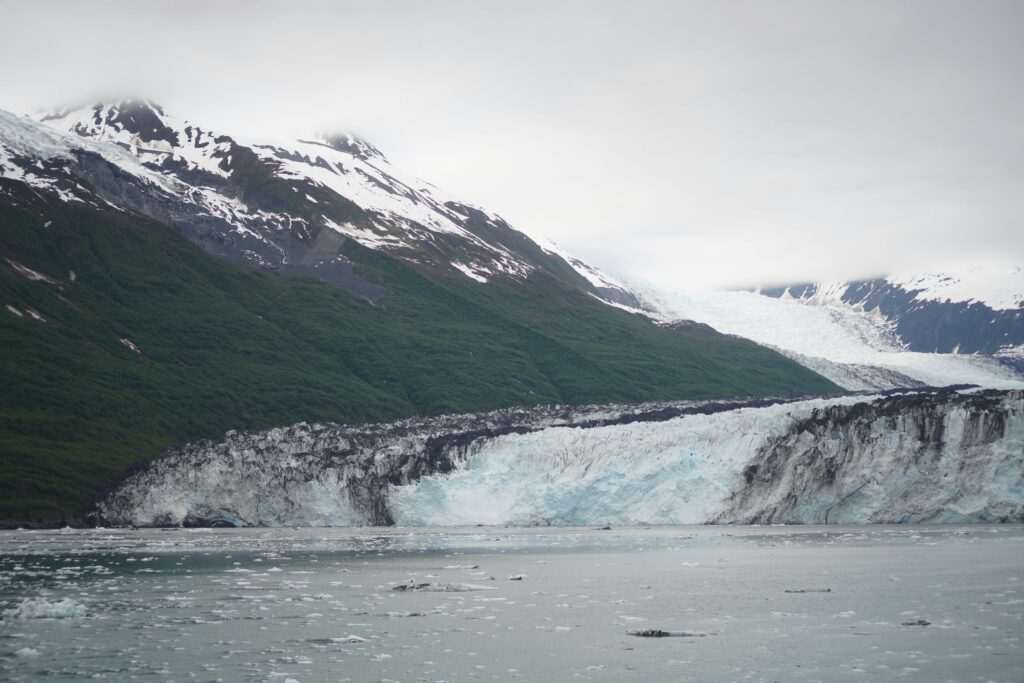
Getting on a glacier is more accessible from Anchorage than most visitors expect. You don’t need technical mountaineering skills, a full expedition setup, or even an overnight trip. Within a 2.5-hour drive, three different glaciers offer guided ice walks, ranger-led hikes, and close-up viewpoints — and for those who want to go further, glacier landings by floatplane or helicopter turn a great Alaska day into an extraordinary one. Here’s how to approach glacier hiking near Anchorage in 2026.
Matanuska Glacier — Alaska’s Most Accessible Walk-On Glacier
Matanuska Glacier sits about 100 miles from Anchorage via the Glenn Highway and is the most accessible walk-on glacier in North America. The glacier stretches more than 25 miles long and 4 miles wide — large enough that you can spend a full day on the ice and still feel like you’ve only seen a fraction of it. Crevasse fields, ridges, melt pools, and ice caves (conditions permitting) make it one of the most varied glacier surfaces you can access without mountaineering experience.
Two main guided outfitters operate here: MICA Guides and Nova Alaska Guides. Both run full-day ice walk experiences from a staging area near the glacier, including crampons, hiking poles, and experienced guides who lead groups across the surface and into blue-ice terrain that you couldn’t safely reach on your own. A typical guided day runs 4–6 hours on the ice. Self-guided access to the glacier fringe is also available through Glacier Park Resort, though you’re limited to the edge without a guide — the resort maintains access roads and charges a day-use fee.
The drive from Anchorage is worth planning as an experience in itself. The Glenn Highway passes through the Matanuska-Susitna Valley farmland, climbs into the Chugach Mountains, and reveals increasingly dramatic alpine scenery before reaching the glacier viewpoints. Our Glenn Highway scenic drive guide covers the full route, wildlife opportunities, and stops worth making along the way.
Portage Glacier — Seeing Ice from the Water
Portage Glacier is the most-visited glacier in Alaska and sits about 50 miles south of Anchorage at the end of Portage Valley. Here’s the honest reality: you can’t hike on Portage Glacier anymore. The glacier has retreated significantly over the past several decades and is no longer accessible from shore — you need a boat to get close to the face. But the area is still worth the stop.
The Begich Boggs Visitor Center, a Forest Service facility at Portage Lake, operates the MV Ptarmigan tour boat from Memorial Day through Labor Day. The 90-minute cruise takes visitors across the lake to within a few hundred feet of the glacier terminus — close enough to see calving ice and feel the cold air radiating off the face. Inside the visitor center, exhibits on glaciology explain how the ice has changed over time, with historic photographs that make the scale of retreat visceral.
The Byron Glacier Trail, just a mile round-trip near the valley entrance, accesses the snout of Byron Glacier — a smaller hanging glacier that you can approach directly on foot. It’s not the walk-on experience of Matanuska, but it’s free, short, and genuinely up-close. Look for ice patches and snowfields at the base where the glacier meets the valley floor.
Exit Glacier Near Seward — Hiking to the Harding Icefield
Exit Glacier in Kenai Fjords National Park is the most developed glacier-hiking destination accessible from Anchorage. It’s about 130 miles south near Seward, making it a full day trip — but the trail system here is unlike anything else in the region. The Ranger Station at the trailhead has interpretive exhibits, and during summer months park rangers lead free guided walks to the glacier edge.
Multiple trails climb from the visitor area. The lower Exit Glacier Edge Trail lets you approach the terminus closely, passing signs that mark where the glacier stood in previous decades — a timeline of retreat that spans 200 years and covers significant ground. It’s an easy walk suitable for families.
For a broader look at Seward and the full day-trip drive from Anchorage, our day trips from Anchorage guide covers the Seward Highway corridor and what to pair with an Exit Glacier visit. The Harding Icefield Trail is in a different category entirely. This 8.2-mile round-trip climbs 3,000 feet to the surface of the Harding Icefield — one of the largest in North America, feeding more than 40 glaciers. The climb is strenuous but non-technical, and the views on clear days are extraordinary: a vast, unbroken expanse of white ice extending to the horizon in every direction, with mountain peaks poking through the surface. Plan a full day; most hikers take 6–8 hours for the round trip. The trail is typically open July through September, closing when early snowfall or ice conditions make it unsafe.
Glacier Landings by Air
For a completely different glacier experience, landings by floatplane or helicopter put you on remote ice that’s inaccessible by road. Operators fly from Anchorage, Palmer, and Talkeetna to set down on the Ruth Glacier beneath Denali, the surface of Matanuska Glacier from above, or various Chugach glaciers. You typically get 30–45 minutes on the surface — enough for photos and a short walk — before the aircraft returns. The silence on a remote glacier, surrounded by mountains with no road access for miles, is something most visitors describe as unlike anything else in Alaska. Our flightseeing from Anchorage guide covers glacier landing operators in detail, and for those interested in combining ice with water, our sea kayaking near Anchorage guide covers Whittier and Prince William Sound options that complement a glacier day, including aircraft types, pricing, and what to expect at each location.
What to Wear and Bring
Glacier hiking requires different preparation than trail hiking. Key items:
- Crampons — provided by guided outfitters at Matanuska and Exit Glacier ranger-led walks. Bring your own if you’re hiking independently near any glaciated terrain.
- Waterproof boots with ankle support — glacier surfaces are wet even in dry weather. Trail runners aren’t appropriate; waterproof hiking boots with lug soles are the minimum.
- Layered clothing — temperature on the glacier surface drops sharply compared to the parking lot. A waterproof shell, warm mid-layer, and moisture-wicking base layer handle most conditions.
- Gloves and a hat — wind chill amplifies cold on exposed ice. Pack them even in July.
- Polarized sunglasses — glacier ice reflects UV intensity significantly. Eye protection matters.
- Snacks and water — guided glacier days are long and physically demanding. Most operators allow you to bring food. Hydration matters at higher elevation.
Difficulty Levels and Who It’s For
Guided Matanuska Glacier walks are appropriate for most fit adults and children 8 and older. The terrain is uneven and crampons take a lap to get comfortable with, but guides set a pace that works for varied fitness levels. Exit Glacier’s lower trails are suitable for families with young children. The Harding Icefield Trail is a serious commitment — you need solid hiking fitness and a full day. Glacier landings by air have no hiking component and are open to any physical condition.
Season and Booking
Glacier access near Anchorage peaks from late May through September. Matanuska Glacier guided tours run spring through fall, with June through August being the busiest window — book weekends at least a week in advance through peak season. Exit Glacier’s Harding Icefield Trail is typically open July through September. Portage Glacier boat tours run Memorial Day through Labor Day. Ice caves within Matanuska form in summer as meltwater carves the interior — their size and access varies by year, so confirm with your operator before arriving if ice caves are a priority.
To get out on the ice, Portage Glacier runs boat tours that bring you face-to-face with the calving ice face — no hiking required. Lifetime Adventures at Eklutna Lake offers kayak and bike rentals for exploring the glacially-fed lake at your own pace. If you are driving to Matanuska or the Kenai, Enterprise Rent-A-Car Anchorage Airport is a convenient pickup point for the drive out of Anchorage.
Photo by Ben Jackson on Pexels.
No comments yet.