
Sea Kayaking Near Anchorage 2026 — Guided Paddles & Alaska Coastal Routes
Why Sea Kayak Near Anchorage?
Most visitors to Anchorage come for the hiking, the bears, and the midnight sun. But the ocean is right there — and Alaska’s coastline offers some of the most dramatic sea kayaking on earth. You don’t need to be an expedition paddler to experience it. Within a two-hour drive of Anchorage, you can glide past tidewater glaciers, watch sea otters spin in the current, and hear the deep exhale of a humpback whale surfacing nearby.
Sea kayaking near Anchorage in 2026 is more accessible than ever, thanks to a network of outfitters offering everything from half-day rentals to multi-day guided expeditions into remote fjords. This guide covers the three primary paddling regions within day-trip range, what skill level each requires, and how to choose between going with a guide or renting your own boat.
The Three Kayaking Regions Near Anchorage
Resurrection Bay (Seward) — The Classic Alaska Paddle
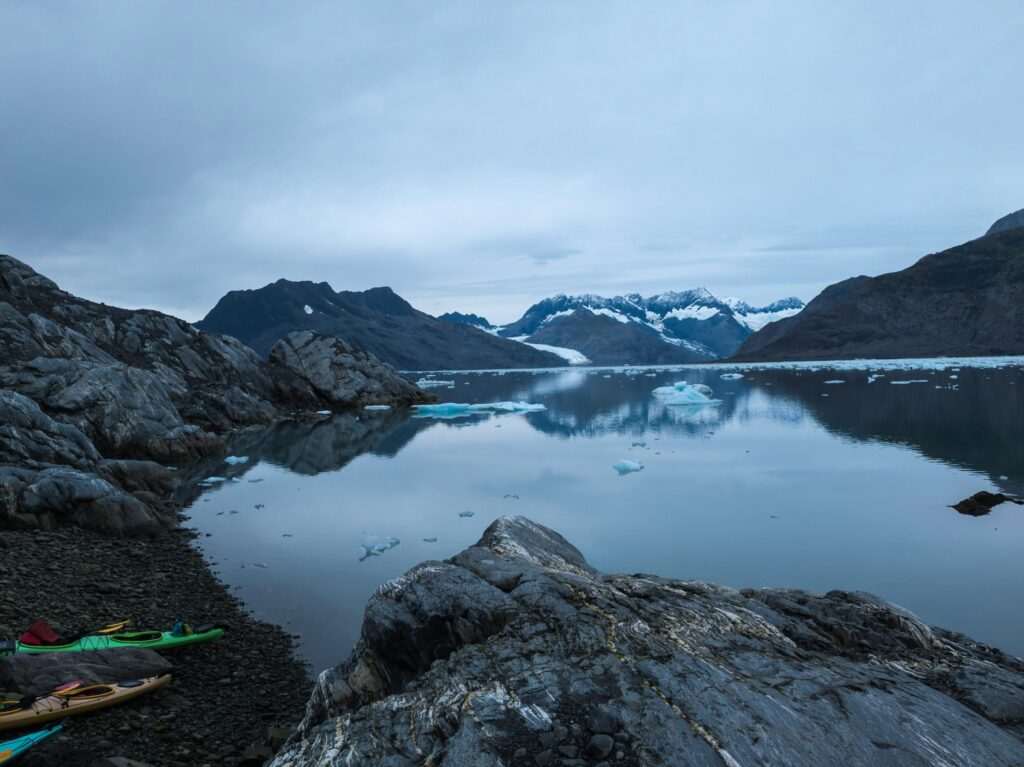
Seward sits 127 miles south of Anchorage on the Kenai Peninsula, and it’s the most popular sea kayaking destination in the region — for good reason. Resurrection Bay is a deep, glacially carved fjord flanked by Kenai Fjords National Park, and on calm summer days the water is mirror-flat and stunning. Glaciers calve directly into the bay at spots like Holgate Arm and Northwestern Fjord, and the wildlife is extraordinary: sea otters, Steller sea lions, Dall’s porpoises, puffins, murres, and black bears lumbering along the shoreline.
Liquid Adventures Kayak Company is the go-to operator for guided day trips and multi-day camping expeditions in Resurrection Bay. Their guided paddles include wildlife briefings and safety instruction, making them an excellent choice for first-timers who want to explore the outer fjords without going it alone. Half-day tours typically paddle into protected coves near Seward while full-day trips push deeper toward the fjord’s glacier-draped interior.
Getting there: it’s a 2.5-hour drive south on the Seward Highway, one of the most scenic roads in North America. The Alaska Railroad also runs a daily summer service from Anchorage to Seward — a genuinely great option so you’re not staring at a windshield when you should be watching Dall sheep on the cliffs above Turnagain Arm.
Whittier & Prince William Sound — Glaciers Without the Long Drive
If Seward feels like a long haul, Whittier is a faster alternative. The small port town is just 60 miles southeast of Anchorage, reached via the Anton Anderson Memorial Tunnel — the longest combined vehicle and rail tunnel in North America. Once you’re through, you’re in Prince William Sound, a vast protected waterway dotted with more than 150 named glaciers.
Prince William Sound kayaking tends to draw more experienced paddlers because conditions can shift quickly, fog rolls in without warning, and some of the best spots — like Columbia Glacier — require crossing open water. That said, calm-weather paddles from the Whittier harbor out toward Shotgun Cove are manageable for intermediate paddlers with solid basic skills.
Anchorage Kayak Adventures runs guided trips into Prince William Sound with gear, safety equipment, and expert local guides who know the tides and conditions intimately. They’re one of the best options for city-based paddlers who want genuine glacier access without committing to a multi-day backcountry trip. Small-group departures mean you’re not paddling in a flotilla — you actually get to hear the glaciers groan.
Eklutna Lake — A Day Paddle from the City
Not every kayak outing requires a two-hour drive. Eklutna Lake, just 26 miles from downtown Anchorage in Chugach State Park, is a stunning glacial lake popular with day paddlers. It’s freshwater rather than saltwater, so the wildlife is different — loons, bald eagles, and the occasional moose — but the scenery is pure Alaska, with Eklutna Glacier shimmering at the far end of the lake and the Chugach Range rising on all sides.
Lifetime Adventures at Eklutna Lake rents kayaks, canoes, and stand-up paddleboards right on the lakeshore, so you don’t need to haul gear from the city. They also run guided trips with naturalist commentary on the glacier and surrounding ecosystem — ideal for families or anyone who wants a lower-stakes introduction to Alaska paddling before tackling the ocean.
Knik Arm, the waterway directly north of Anchorage, is technically accessible to paddlers but it’s not recommended for casual visitors. Bore tides here can exceed 10 feet and currents are unpredictable enough to flip experienced paddlers. Eklutna is the right city-adjacent choice.
Guided Tours vs. Independent Rentals
The answer depends on your experience and what you’re trying to get out of the water.
Choose a guided tour if: you’ve never paddled in open water before, you want to access remote glaciers or fjords, you’re traveling solo, or you want someone explaining what you’re looking at. Alaska sea kayaking carries real risks — sudden weather changes, cold water temperatures, tidal currents, and difficult landings on rocky shores. A good guide takes the navigation burden off your plate so you’re actually watching the scenery instead of staring at a chart.
Choose a rental if: you’ve paddled open water before, you’re comfortable reading conditions, and you want to set your own pace. Resurrection Bay and Eklutna Lake are both manageable on independent rentals when conditions are calm, though you should always file a float plan with someone on shore and carry a VHF marine radio.
If you’re after something slightly different, Alaska Wilderness SUP offers stand-up paddleboard experiences on Alaska’s coastal and lake waters — a genuinely fun alternative if you want a different vantage point and don’t mind the extra balance challenge. SUP instruction is included, and the higher standing position gives you remarkable visibility into the clear water below.
Skill Level Requirements
Most guided tours in Resurrection Bay and Whittier are designed for complete beginners — outfitters handle all the instruction, and half-day paddles stay close to protected shorelines. You don’t need prior kayak experience to book a guided tour with any of the operators listed here.
Independent paddles are a different matter. For open water on Resurrection Bay or Prince William Sound, you should be comfortable with wet exits and self-rescue, able to read basic tide charts, and confident paddling in light chop. For multi-day expeditions, prior sea kayaking experience and a wilderness first aid course are strongly recommended.
Eklutna Lake is the most accessible option regardless of skill level — calm water, rentals with safety instruction included, and lifeguards on duty during summer weekends.
What to Expect on the Water
Alaska sea kayaking is unlike paddling anywhere else. The scale doesn’t register until you’re sitting low in the water with glacier-carved peaks on every side and a sea otter floating on its back ten feet off your bow. A few things to prepare for:
- Cold water. Surface temps in Resurrection Bay and Prince William Sound stay between 42–52°F all summer. A wetsuit or drysuit isn’t optional — it’s survival gear. Most guided operators provide exposure suits; if you’re renting independently, rent one too.
- Unpredictable weather. Coastal Alaska conditions can shift from glassy calm to 20-knot headwinds within an hour. Build buffer time into your plan and don’t paddle past your turnaround point hoping the weather will hold.
- Tidal currents. Resurrection Bay and Prince William Sound both have significant tidal movement. Paddle with the tide when you can; paddling against a 3-knot ebb in open water burns through energy fast.
- Wildlife proximity rules. Federal guidelines require 100 yards of clearance from marine mammals. Move slowly, don’t surround animals, and let wildlife approach you on their own terms — especially sea otters, which are curious and will often paddle right up to your kayak if you’re patient.
2026 Seasonal Tips
The paddling season near Anchorage runs from late May through mid-September, with peak conditions in July and August. Here’s what’s worth knowing for 2026:
- June is prime for wildlife — puffins, orcas, and sea otter pup season in Resurrection Bay all peak in early summer. Water is calmer than August but the season is just warming up.
- July offers the most daylight (up to 19 hours near the solstice), meaning evening paddles in golden light are entirely possible. Book tours well in advance — this is peak season and popular slots fill weeks out.
- August sees glaciers calving most actively as summer warmth reaches its peak. More ice in the water means more drama and better photography, though it also means being alert for calving events near tidewater faces.
- September brings smaller crowds, gorgeous fall color on the tundra above the tree line, and excellent low-angle photography light. Weather windows tighten and some smaller operators close by mid-month.
Planning Your Trip
A few final tips from people who’ve paddled these waters for years:
- Book guided tours at least 3–4 weeks ahead for July. The best operators fill fast.
- Bring polarized sunglasses. Glacial water reflection is intense enough to cause eye strain on long paddles.
- Pack lunch in a dry bag — even on calm days, spray is part of the deal.
- Download offline maps before you go. Cell coverage disappears fast once you’re out of harbor.
- Wear sunscreen even on overcast days. UV reflects off the water at a level most visitors don’t expect from Alaska.
Whether you’re chasing tidewater glaciers in Kenai Fjords, threading between sea lions in Prince William Sound, or doing a mellow morning paddle on Eklutna’s turquoise water, sea kayaking is one of the most immersive ways to experience what makes Alaska different from everywhere else. The scale — the water, the ice, the mountains — doesn’t fully land until you’re sitting at surface level with a paddle in your hands.
Featured photo by Yuanpang Wa on Pexels.

No comments yet.