
Mountain Biking Near Anchorage 2026: Best Trails
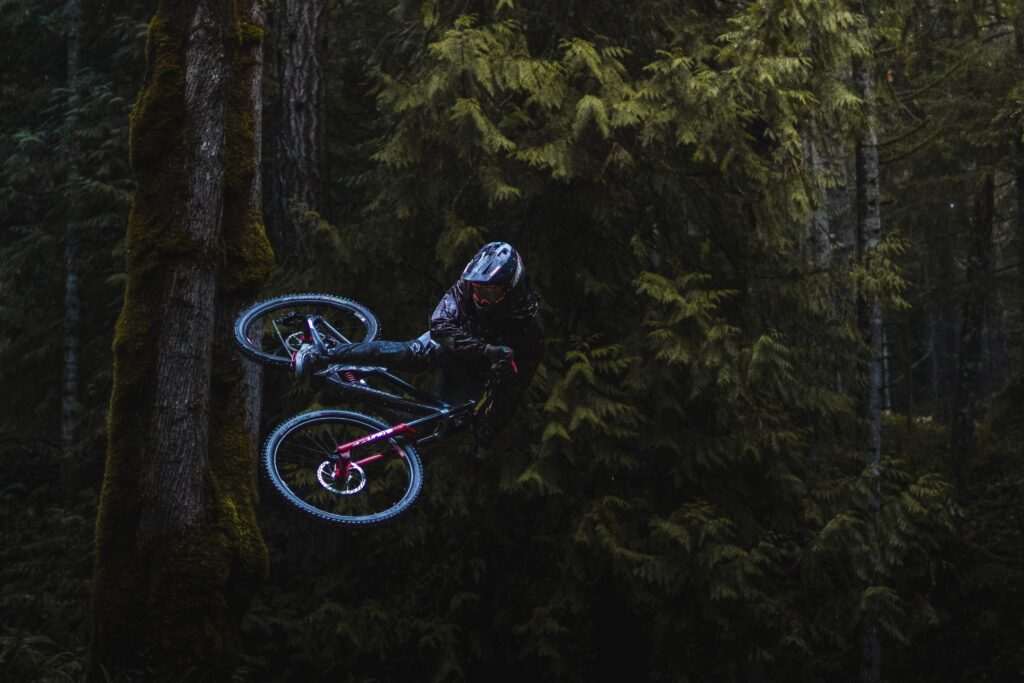
Mountain biking near Anchorage is genuinely excellent — and genuinely underrated. The trail network at Kincaid Park alone puts many dedicated bike destinations to shame, and that’s before you factor in Chugach State Park’s alpine singletrack, the flow trails at Government Peak outside Palmer, and the sprawling cross-country network at Far North Bicentennial Park. From beginner-friendly gravel paths to technical enduro terrain at 3,000 feet, Anchorage has trail variety that surprises riders from the Lower 48. Here’s where to ride and how to make the most of it in 2026.
Kincaid Park — The Best Cross-Country Trail System in Alaska
Kincaid Park, on the western tip of Anchorage between Cook Inlet and the Ted Stevens Anchorage International Airport, contains the finest cross-country mountain bike trail system in the state. More than 40 kilometers of purpose-built and maintained singletrack thread through dense coastal spruce forest, over sandy bluffs, and along the edge of the inlet with views toward Denali on clear days. The terrain is surprisingly varied for a park inside a major city: rolling climbs, rooted technical sections, smooth hardpack, and loose sandy stretches that demand different line choices.
The trail network is managed by the Anchorage Nordic Ski Club and is impeccably maintained — the same infrastructure that makes Kincaid world-class for cross-country skiing in winter delivers fast, well-drained trails in summer. Most trails are designed for two-way traffic, so bell etiquette matters when passing hikers and runners who share the network. Trail maps are posted at the main trailhead parking area off Raspberry Road; download the Trailforks app for GPS-guided navigation.
Skill level: The core network is intermediate XC — rolling rather than technical, with good flow. A handful of more technical options exist in the southern end of the park. The park is suitable for fit beginners on hardtail bikes; riders who’ve never been on singletrack should start on the perimeter path before heading into the forest.
Parking: The main lot at the end of Raspberry Road. No fee. Restrooms available. Open year-round for biking June through September; snow conditions determine when the transition happens.
Far North Bicentennial Park — Anchorage’s Backcountry Park
Far North Bicentennial Park covers more than 4,000 acres of spruce and birch forest in the eastern part of Anchorage — the largest park in the municipal system. The trail network here is more rugged and less maintained than Kincaid, which suits riders looking for a wilder feel without leaving city limits. Multiple access points along Campbell Airstrip Road and the Hillside neighborhood provide trailheads; the park connects to the broader Chugach trail system at its eastern boundary.
Moose are extremely common in Far North Bicentennial — encountering one on a trail is genuinely likely, especially early morning. Give them wide berth; a moose with a calf in spring can be aggressive, and a bike doesn’t help you get distance quickly enough if one charges. The trails are shared with hikers, so alert passing is expected. Good drainage makes the trails rideable in most summer weather, but a wet June can leave sections muddy in low-lying areas.
Powerline Pass Trail — Alpine Singletrack in Chugach State Park
The Powerline Pass Trail starts at the Glen Alps parking area (end of Upper Huffman Road) and climbs through Chugach State Park into a broad alpine valley beneath the Chugach peaks. The trail itself isn’t purpose-built singletrack — it’s a wide gravel and hardpack path that climbs about 700 feet to the pass, with views of the mountains, glaciers, and occasionally Dall sheep on the ridgelines above. Most riders use it as an approach trail for hiking, but the descent on a hardtail or full-suspension bike is rewarding: good flow, occasional technical rocks, and an unobstructed view of Anchorage spread below you.
The Glen Alps area is popular. Plan an early start on weekends (before 8 a.m.) to beat the hiker and runner crowds. The area is prime bear habitat — carry bear spray and make noise on the trail. For dedicated bear viewing information in this same corridor, our bear viewing near Anchorage guide covers Chugach State Park encounters and what to do if you see one.
Skill level: The Powerline Pass Trail is suitable for intermediate riders comfortable with gravel and some rocky sections. The climb is sustained but not technically difficult. Riders looking for more advanced terrain can push further into the backcountry, where routes become more rugged.
Government Peak Recreation Area — Best Flow Trails Near Anchorage
Government Peak Recreation Area, near Palmer in the Matanuska-Susitna Valley (about 45 miles northeast via the Glenn Highway), is where Anchorage-area riders go for the best singletrack outside the city. The trail system here has been developed specifically for mountain biking over the past decade and features several named flow trails with berms, rollers, and well-maintained surfaces that reward smooth technique. The area covers multiple skill levels from green-circle introductory loops to more challenging black-diamond terrain.
The drive to Government Peak via the Glenn Highway is scenic enough to be worth the trip on its own — our Glenn Highway scenic drive guide covers the route, which passes through the Matanuska-Susitna Valley farmland and reveals the Chugach Mountains at their most dramatic before dropping into Palmer. Government Peak is well worth combining with a Palmer or Wasilla stop for food before returning to Anchorage.
Skill level: Something for everyone. The introductory loop is genuinely beginner-accessible; the flow trails are fun for intermediate riders; the upper terrain requires solid skills. This is the best destination in the region for riders who want actual mountain bike-specific trail design rather than multi-use paths.
Bike Rentals Near Anchorage
Visiting riders without their own bikes have several options:
Downtown Bicycle Rental operates out of the Ship Creek area near the Tony Knowles Coastal Trail and carries a mix of bikes including trail-capable options. They’re the most accessible rental for visitors staying downtown who want to explore Kincaid Park or the coastal trail network.
Powder Hound Ski & Bike Shop is a full-service bike shop in Midtown Anchorage with rentals and a staff that rides local trails regularly. If you’re planning a trip to Kincaid or Far North Bicentennial, they can advise on current trail conditions and give honest assessments of what’s riding well that week.
Rental prices typically run $40–$70 per day for a hardtail mountain bike; full-suspension options are available from some shops at higher rates. Reserve in advance in July and August when demand is highest.
Skill Levels and Trail Recommendations
- Beginners — Start at Kincaid Park on the perimeter trail system before moving to singletrack. Far North Bicentennial Park’s outer trails are also approachable. Avoid Powerline Pass and Government Peak’s technical options until you’ve built confidence on rolling terrain.
- Intermediate riders — Kincaid Park’s full trail network, the Government Peak flow trails, and Powerline Pass are all within reach. Carry a trail map and don’t underestimate the distances at Kincaid.
- Advanced riders — Government Peak’s upper terrain and Chugach backcountry approaches from Glen Alps offer the most challenge. Multi-day bikepacking routes exist in Chugach State Park for those who want to combine trail riding with backcountry travel.
Season, Weather, and E-Bike Rules
The prime mountain biking season near Anchorage runs June through September. Snow can linger on higher trails (Powerline Pass, Government Peak upper area) into late June in wet years — check recent trail reports on Trailforks or ask at a local bike shop before heading to higher elevations early in the season. Trails at Kincaid and Far North Bicentennial typically dry out by mid-June.
Rain is common throughout summer, especially July and August. Kincaid Park’s sandy-based trails drain quickly; Far North Bicentennial and Government Peak can develop muddy sections after heavy rain. A light waterproof layer is worth packing; the weather can change fast in the Chugach foothills.
E-bike rules in Alaska parks are evolving. As of 2026, Class 1 and Class 2 e-bikes (pedal-assist only, up to 20 mph) are permitted on most trails where regular bikes are allowed, including the Kincaid Park network. Class 3 e-bikes (throttle-assist up to 28 mph) are treated differently and may have restricted access on certain trails. Chugach State Park’s e-bike regulations apply to the Powerline Pass area; check the Alaska State Parks website for current rules before riding. The situation is changing as trail managers update policies.

No comments yet.