
Basket Weaving Workshops in Anchorage 2026
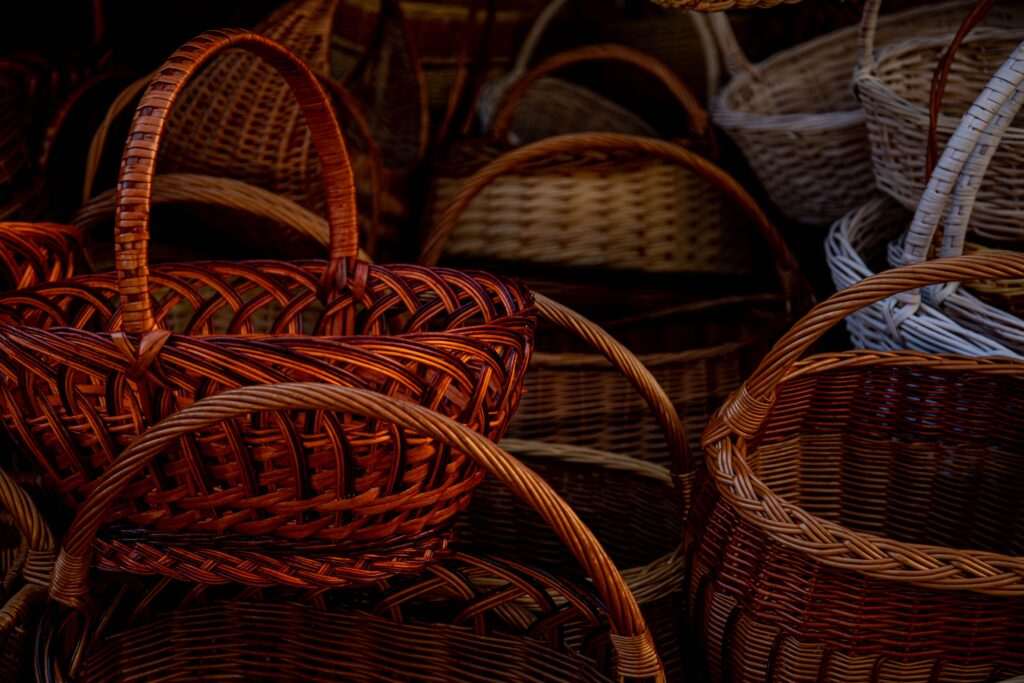
Basket weaving is one of the oldest crafts in human history — predating pottery, metallurgy, and textile production — and it remains one of the most globally distributed, practiced in some form by virtually every culture that has ever existed. The basic principle hasn’t changed: flexible materials are interlaced to create a structure that holds its shape without fasteners, producing containers, carriers, and decorative objects that are simultaneously functional and beautiful. In Alaska, basket weaving carries additional cultural weight as a living practice within several Indigenous traditions, and the contemporary craft workshop scene in Anchorage offers both the general technique and culturally grounded context for the Alaska-specific forms that have emerged from thousands of years of regional practice. This guide covers basket weaving workshops in Anchorage in 2026, the materials and techniques involved, and how Alaska’s weaving traditions connect to the craft as it’s taught today.
Basket Weaving Materials
The specific character of a basket — its texture, flexibility, weight, and appearance — comes almost entirely from the material it’s woven from. The most common materials in contemporary basket weaving workshops include:
- Reed (rattan core): The most widely used material in North American basket weaving instruction. Reed is processed from rattan palm vines, comes in round, flat, and oval profiles in a range of sizes, takes dye readily, and is consistent and predictable to work with. Its availability and uniformity make it the standard teaching material for beginners learning construction techniques.
- Wicker (willow): Traditionally one of the primary European basket weaving materials, wicker uses thin willow rods that are woven while green and flexible, then allowed to dry hard in the woven form. Willow baskets have a rustic, organic quality that distinguishes them from reed work. Alaska’s willow species (Salix alaxensis and others) are potential local basket materials, though most workshop wicker is imported.
- Rush and cattail: Wetland plants harvested and dried for weaving. Rush weaving produces coiled and plaited baskets with a light, natural-toned result. Alaska’s freshwater margins support cattail populations that have been harvested for weaving in Indigenous traditions.
- Sweetgrass (Hierochloe odorata): A highly aromatic grass used in coiled basket traditions across North America, including Alaska. Sweetgrass baskets have a distinctive honey-vanilla fragrance that persists for years. The Mi’kmaq, Abenaki, and various Alaska Native communities have distinct sweetgrass basket traditions.
- Spruce root: In Alaska, spruce root basketry is a defining form of several Tlingit, Haida, and Athabascan traditions. Spruce roots are harvested, split, and prepared through a labor-intensive process that produces fine, flexible weaving material capable of the tight, waterproof weaves that made spruce root baskets essential tools for cooking, berry gathering, and water transport.
Weave Patterns and Structures
Basket construction uses a relatively small number of fundamental structural approaches, each producing different visual and functional results:
- Plain weave (checkerwork): The simplest basket structure — weavers pass over and under stakes in a 1-over-1-under pattern. Produces a open, geometric grid pattern. Easy to learn, highly stable, and the foundation that most beginners start with.
- Twill weave: Weavers skip over multiple stakes (2-over-2-under, or 3-over-1-under variations) to create diagonal patterns across the basket surface. More complex than plain weave but produces attractive diagonal visual effects and a more flexible fabric.
- Twining: Two weavers are used simultaneously, twisted around each other between each stake. Produces a very strong, stable structure and is the technique used in many Alaska Native basket forms. Twining is slower than single-weaver techniques but creates a denser, tighter result.
- Coiling: Rather than a stake-and-weaver structure, coiling builds the basket by wrapping a continuous bundle of material (the coil) and stitching it to the previous coil with a binding element. Produces the smooth, spiral-surface baskets characteristic of Southwest Native American and some Alaska traditions. Coiling allows for intricate pattern integration through color variation in the binding material.
Alaska Native Basket Traditions
Alaska’s Indigenous cultures produced some of the most technically sophisticated basket work in the world, and these traditions are ongoing living practices rather than historical artifacts. Several distinct regional traditions deserve specific acknowledgment:
Athabascan birch bark baskets: Interior Alaska Athabascan peoples developed birch bark basket forms using the paper birch that’s abundant throughout Alaska’s boreal interior. The distinctive white-and-black markings of birch bark provide natural decoration, and traditional forms include birch bark baskets used for berry picking and food storage.
Yup’ik coiled grass baskets: Yup’ik weavers from Western Alaska produce some of the finest coiled grass baskets in the world, using local grasses in intricate geometric patterns. These baskets have become internationally recognized as fine art, with master weavers’ work appearing in major museum collections. The finest examples require years of technique development to produce.
Tlingit and Haida spruce root baskets: The spruce root basket tradition of Southeast Alaska produces baskets of extraordinary technical refinement, with twined weaves tight enough to hold liquid. Traditional forms include the distinctive Tlingit rattle-top baskets with false-embroidered designs.
The Anchorage Native Arts & Culture Festival is an excellent venue for seeing contemporary Alaska Native basket weavers — Yup’ik, Tlingit, Athabascan, and Unangax̂ practitioners — in a cultural celebration context where their work can be appreciated and purchased directly. For non-Indigenous practitioners learning basket weaving in Anchorage, approaching Alaska Native basket forms with cultural awareness means understanding these traditions as living practices belonging to specific communities, not generic “patterns” available for free use. General reed-and-wicker basket weaving workshops teach construction skills; engagement with specific Indigenous basket traditions properly involves working with Alaska Native artists and cultural organizations directly.
Basket Weaving Workshops in Anchorage
Anchorage’s basket weaving workshop landscape ranges from introductory reed basket sessions at community studios to culturally grounded instruction in specific Alaska Native weaving traditions. The most accessible entry points are reed basket workshops — typically 3–4 hour sessions that produce a small finished basket using round reed or flat-oval reed, teaching staking, weaving, and finishing techniques.
The Alaska Native Heritage Center and Alaska Native-led arts programs periodically offer instruction in specific Indigenous basket traditions — these represent the most culturally appropriate context for learning Alaska-specific forms and are the recommended starting point for anyone interested in the regional traditions rather than just the general technique. The Anchorage Museum holds significant collections of Alaska Native basket work and periodically presents weaving demonstrations and cultural programming around its collections.
Workshop prices for general reed basket instruction run $45–$85, with materials (reed, handles, pegs) typically included. Multi-session formats (4–6 weeks) are common for more ambitious projects like market baskets or lidded forms that require more total time than a single workshop can accommodate.
Starting at Home
Reed basket weaving is one of the more equipment-light fiber crafts — the main investment is the reed itself (available from weaving suppliers online, typically $15–$30 for a starter pack of mixed sizes) and a few basic tools: an awl for creating space for weavers, a spray bottle for keeping reed damp during weaving, clothespins for holding work in progress, and a bucket for soaking reed before use. Most other “tools” are household items — scissors, a tape measure, a bucket or bowl for soaking.
Beginning weavers typically start with a simple round-base market basket or a small rectangular box form — projects that introduce all the fundamental skills (staking a base, upsetting the sides, weaving a pattern, and finishing the border) without requiring advanced techniques. A single workshop session typically produces one finished small basket and provides enough technique to continue at home. Our free things to do in Anchorage guide covers the cultural venues and community events where Alaska basket weaving is most visible in the city. Our Anchorage hiking guide covers the boreal forest and wetland environments — including the spruce-birch forest of Kincaid Park and the wetland margins along Campbell Creek — where Alaska’s traditional basket materials — birch, willow, spruce, sedge grass — are found in the wild.
Photo by RDNE Stock project on Pexels.


No comments yet.