
Kayaking Near Anchorage 2026 — Sea Kayak Tours & Self-Guided Paddling
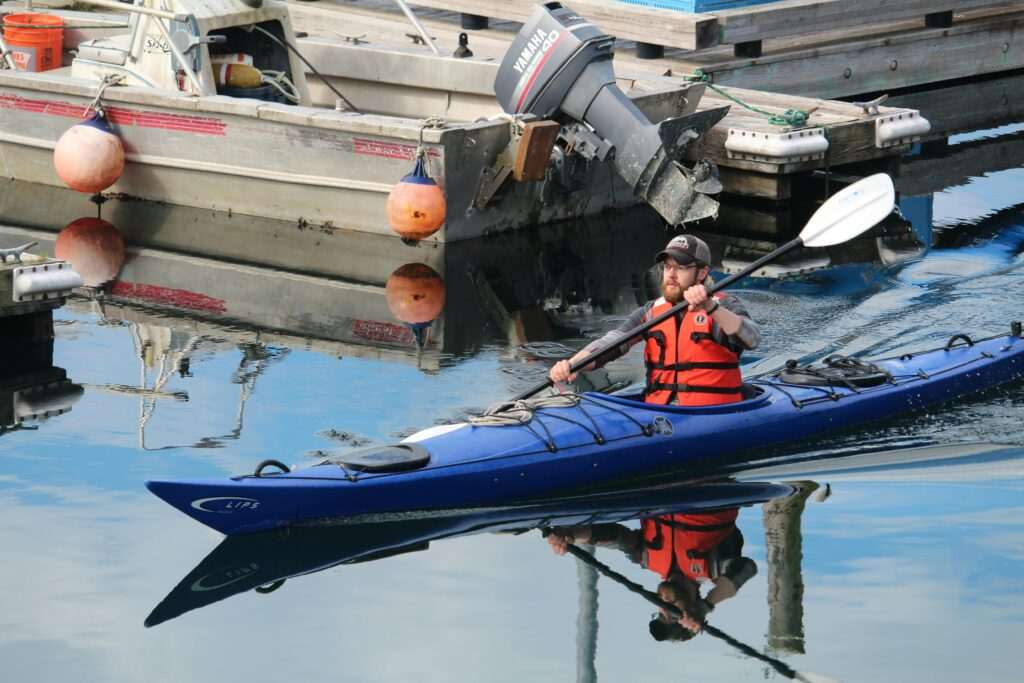
Anchorage sits between two of the most extraordinary sea kayaking environments in North America. Prince William Sound is an hour west — a protected inland sea of glaciers, fjords, and marine wildlife with water calm enough for beginners and remote enough for multi-day wilderness trips. The Kenai Fjords are two and a half hours south, where sea kayaking near Anchorage extends to tidewater glaciers and open-water crossings with humpback whales and sea otters in the mix. Neither destination requires flying in or a serious expedition budget — both are accessible as day trips from the city. Here’s where to go, what each environment demands, and what to skip.
Prince William Sound — The Best Day-Trip Kayaking from Anchorage
Whittier is the launch point for Prince William Sound and it’s 60 miles from Anchorage — roughly an hour’s drive through the Portage Valley and the Anton Anderson Tunnel. For sea kayaking, the Sound is close to ideal: it’s sheltered from open-ocean swell by the surrounding mountains, the water is cold but not rough, and the scenery puts you inside a fjord landscape rather than observing it from a viewpoint. Columbia Glacier, one of the largest tidewater glaciers in North America, sits at the eastern end of the Sound and is accessible by guided boat-supported kayak trips.
Prince William Sound Glacier Tours runs guided sea kayak day tours and multi-day camping trips out of Whittier, with kayak access to the Sound’s inner fjords and glacier fronts. Day tours typically run four to six hours on the water and cover a meaningful stretch of the Sound’s ice-dotted passages — enough to encounter harbor seals hauled out on ice floes, Steller sea lions, porpoises, and on lucky days, orca. The Phillips 26 Glacier Cruise also operates out of Whittier and offers boat-supported kayak access to the western Sound — a good option if you want the kayak experience delivered into the middle of the fjord rather than paddled from shore.
What makes Prince William Sound better than Seward for many kayakers: the water is more protected, the guided options include multi-day wilderness trips with beach camping, and the drive from Anchorage is shorter. If you’re doing one sea kayak day trip from Anchorage, the Sound is usually the right answer.
Kenai Fjords — Glacier Calving from Your Kayak Seat
The Kenai Fjords experience from a kayak is categorically different from a boat tour: you’re at water level when a glacier calves, watching the ice wall collapse from a distance close enough to hear it but far enough to be safe, with sea otters floating in the debris around you. It’s a slower, more immersive version of the fjords, and for many people it’s the more memorable one.
Liquid Adventures Kayak Company is the primary sea kayak operator in Seward and runs guided half-day and full-day tours into the fjords from the Seward harbor. Their full-day tours reach further into the outer fjords where the marine wildlife density increases and the glacier fronts are more active. Half-day tours stay in the inner bay and are appropriate for fit beginners — no kayak experience is required, but paddling four to six hours in cold conditions requires physical preparedness that “beginner-friendly” doesn’t always convey. Seward Ocean Excursions is another operator running combination boat-and-kayak packages out of Seward that give you water-level glacier access without the full-day paddling commitment.
The drive from Anchorage to Seward is 127 miles on the Seward Highway — about two and a half hours of genuinely beautiful road. Most people pair a Kenai Fjords kayak tour with an overnight in Seward rather than doing it as a pure day trip, though the day-trip version is common.
Eklutna Lake — Flatwater Paddling 30 Minutes from Downtown
Eklutna Lake is Anchorage’s closest paddling option and a completely different experience from the sea kayak routes. It’s a glacially-fed freshwater lake in Chugach State Park, about 30 miles from downtown, surrounded by mountains on three sides. The water is cold, clear, and calm — no tidal influence, no swell, no open-water crossings. It’s the right destination for people who want to paddle without committing to a guided tour, a long drive, or open-water exposure.
Eklutna Lake Campground rents kayaks and canoes seasonally — no guide required, no advance kayak experience necessary. You can paddle the length of the lake (about 7 miles each direction) or stay near the campground and explore the inlet channels. The mountains that frame the lake make it a strong photography destination as well as a paddling one. It’s not sea kayaking, but for first-timers, families, or people who want a quiet afternoon on the water without the logistics of a commercial tour, Eklutna is the practical choice.
Where NOT to Kayak Near Anchorage: Turnagain Arm and Cook Inlet
Turnagain Arm is one of the most visually dramatic bodies of water near Anchorage — and one of the most dangerous for recreational paddling. The tidal bore in the Arm moves at 10 to 15 miles per hour, pushing a wall of turbulent water through a narrow channel. Combined with mudflats that can trap and drown people who mistake them for solid ground, extreme tidal swings of 35+ feet, and near-freezing water temperatures, Turnagain Arm isn’t a paddling environment for recreational kayakers under any conditions. Cook Inlet proper shares similar hazards — strong currents, cold water, and limited rescue access.
The scenery along Turnagain Arm from the road or from a hiking trail is extraordinary. Don’t try to access it from the water.
Cold Water: What to Know Before You Paddle
Alaska’s sea kayaking waters are cold year-round. Prince William Sound and Kenai Fjords water temperatures range from 38°F to 52°F depending on season. Immersion in water this cold causes rapid incapacitation — typically within minutes without proper protection. Reputable guided tours provide drysuits or wetsuits as part of the package, and any tour operator worth booking will insist on immersion gear regardless of air temperature. If you’re doing self-guided paddling at Eklutna or renting from an outfitter, ask explicitly what immersion protection is included or required before you get on the water.
Air temperature in Alaska in summer can be warm enough to make a drysuit feel like overkill. It isn’t. Air temperature is irrelevant if you capsize.
Guided Tours vs. Self-Guided: What to Expect
Guided day tours (Prince William Sound or Kenai Fjords): $100–$200 per person for half-day tours; $150–$280 for full-day. All gear provided including boat, paddle, immersion suit, and PFD. Guides handle route planning, safety briefing, and wildlife interpretation. No experience required but reasonable fitness is. Book at least two weeks ahead in July and August — tours sell out.
Self-guided (Eklutna Lake): Kayak and canoe rentals at Eklutna Lake Campground run roughly $20–$40 per hour. No experience requirements for the flatwater lake environment, though cold water safety awareness applies everywhere in Alaska. The campground is operated by the Municipality of Anchorage; check current rental availability and hours before driving out.
What to bring on any Alaska paddle: Sun protection (long days mean extended UV exposure), waterproof layers, water and snacks, a dry bag for electronics, and cash or card for any rental deposit. Guided operators typically provide everything you need on the water; call ahead to confirm what’s included.
Is sea kayaking near Anchorage beginner-friendly?
It depends on the destination. Guided tours on Prince William Sound and Kenai Fjords are open to beginners — no experience required — but they involve paddling in cold water for several hours, which requires physical preparedness even if the technique is easy to learn on site. Eklutna Lake is genuinely beginner-accessible for self-guided flatwater paddling. For first-time sea kayakers, a guided Prince William Sound day tour out of Whittier is the best combination of accessibility and genuine sea kayak experience.
How far is Prince William Sound from Anchorage for kayaking?
Whittier, the main departure point for Prince William Sound kayak tours, is about 60 miles from downtown Anchorage — roughly an hour’s drive through the Portage Valley and the Anton Anderson Memorial Tunnel. The tunnel runs on a timed schedule for vehicles, so check the current traffic schedule before you drive. Most guided day tours out of Whittier include a morning departure that accounts for the drive from Anchorage.
When is the best time of year to kayak near Anchorage?
June through August is the primary sea kayaking season in Alaska. June and early July offer the longest daylight hours — you can be on the water until 10 PM with full sun in late June. July tends to be warmer and drier than June on the Kenai Peninsula. August is slightly shorter on daylight but still excellent, with the added benefit of lighter crowds in late August. Water temperatures don’t change dramatically across the season, so cold-water gear is always required regardless of when you go.
Do I need a guide to kayak in Prince William Sound?
You don’t legally need a guide, but for first-time visitors to the Sound, a guided tour is strongly recommended. The Sound’s fjords are remote — cell service is nonexistent, weather can change quickly, and the cold water leaves little margin for error if something goes wrong. Experienced sea kayakers with Alaska cold-water experience regularly do self-supported paddling in the Sound, but if you’re asking whether you need a guide, the honest answer is probably yes for your first trip.
Anchorage’s kayaking options cover a real range — from a calm afternoon at Eklutna Lake to a full-day guided route through calving glaciers on the Sound. The Prince William Sound day trip from Whittier and the Kenai Fjords tour out of Seward are both experiences that belong on any Alaska outdoor itinerary, and both are achievable without a week-long expedition commitment. Book the guided tour early, bring the right gear, and don’t paddle Turnagain Arm.
Featured photo by Howard Herdi on Pexels.


No comments yet.