
Lost Lake Trail 2026: Seward’s Most Rewarding Alpine Day Hike
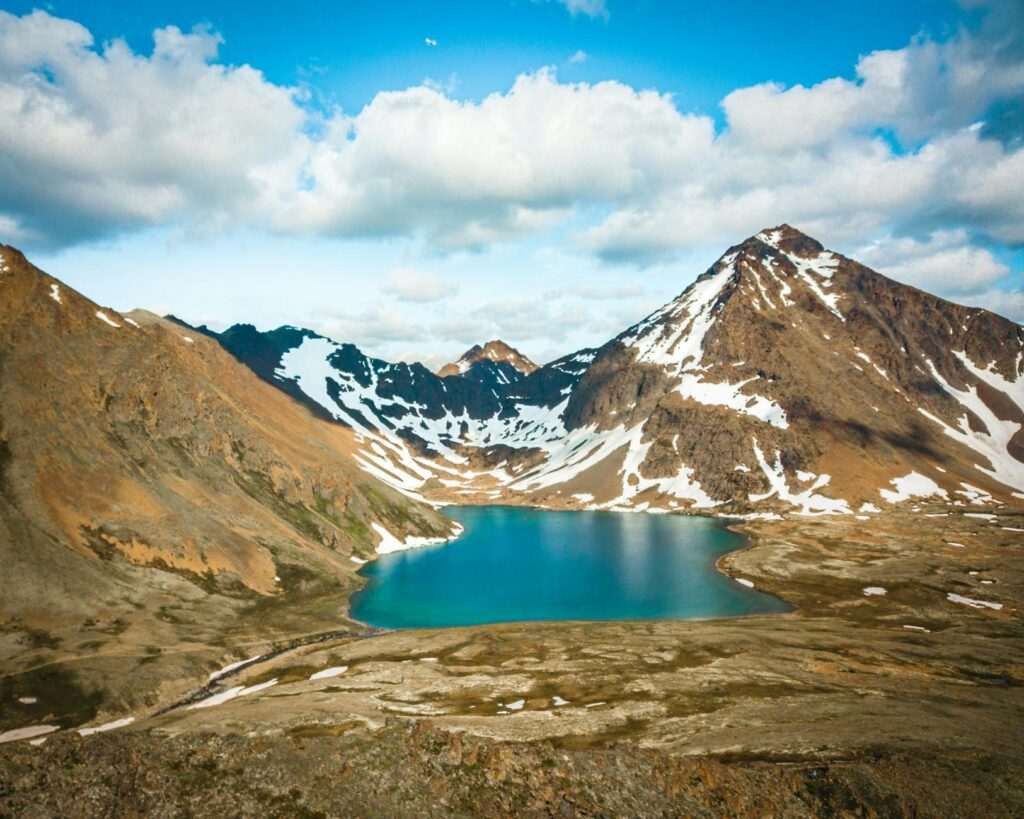
The Lost Lake Trail near Seward Alaska earns its reputation as one of the best day hikes on the Kenai Peninsula. About 2.5 hours south of Anchorage, the trail climbs from spruce forest into wide-open alpine tundra, delivering panoramic views of the Resurrection Bay drainage and a glacially carved lake ringed by snowfields well into summer. Here’s what to know before you drive down.
Trail Overview and Distances
Lost Lake Trail has two access points, and which one you use shapes the kind of day you’ll have.
Lost Lake Trailhead (Dale Clemens Memorial Trailhead): This is the primary starting point for day hikers coming from Seward. The trailhead sits about 2 miles north of downtown Seward off Myrtle Avenue. From here, it’s roughly 7 miles one-way to Lost Lake — a 14-mile out-and-back. Elevation gain is approximately 1,500 feet, with most of it concentrated in the first 3 miles as the trail climbs out of the lowlands and into the alpine zone. Plan 6 to 8 hours for the full out-and-back, depending on pace and how long you spend at the lake.
Primrose Trailhead: The second access point sits about 17 miles north of Seward on the Seward Highway, near the Primrose Campground on the shores of Kenai Lake. From Primrose, the trail runs roughly 8.5 miles one-way to Lost Lake — making the full Primrose-to-Lost Lake out-and-back about 17 miles. Most through-hikers do the full loop (Lost Lake to Primrose) as a 16-mile traverse requiring a car shuttle between the two trailheads.
The Climb: What to Expect on the Way Up
From the Lost Lake Trailhead, the first two miles move through Sitka spruce and alder — forest hiking, wet in spots, with occasional views through the canopy. The trail gains elevation steadily as it enters transition zones between forest and tundra. Around mile 3 to 4, the trees give way to open slopes, and the character of the hike changes completely. The views open up over the Resurrection Bay drainage toward the Gulf of Alaska, and on clear days you can see Resurrection Bay itself glittering below.
The final push to the lake crosses wide alpine tundra carpeted in low-growing wildflowers — lupine, fireweed, and Alaskan cotton grass in mid-summer. Marmots whistle from boulder fields as you climb. Keep an eye out for ptarmigan on the upper slopes; they’ll stand nearly motionless until you’re within a few feet. Bears — both black and brown — are present throughout the trail. Make noise, carry bear spray, and keep food secured. This isn’t precautionary; multiple bears are sighted in this drainage annually.
Lost Lake Itself
The lake sits in a cirque at roughly 2,000 feet elevation, held in by steep headwalls that retain snow well into July. The water is clear and strikingly blue-green — fed by snowmelt from the surrounding ridges. You can’t swim comfortably (it’s glacially cold), but you’ll want to stop here for at least 30 to 45 minutes. The mountain backdrop is one of the better alpine compositions on the Kenai Peninsula.
Several flat tent sites sit near the lake, making this a good overnight destination for backpackers who want to stage a second-day exploration of the upper ridges or push through to the Primrose side. Camping is dispersed — no designated sites, no reservations — but observe Leave No Trace principles and camp on durable surfaces at least 200 feet from the water. Bear canisters are strongly encouraged; bear boxes aren’t provided.
The Loop Option: Lost Lake to Primrose
If you can arrange a two-car shuttle, the one-way traverse from the Lost Lake Trailhead to the Primrose Trailhead is the most rewarding way to experience this trail. The 16-mile route descends through Primrose’s own distinct character — deeper forest, different drainage — and finishes at Kenai Lake. Leave one car at Primrose Campground (off the Seward Highway), drive the second to the Lost Lake Trailhead in Seward, and hike north to south. The Seward Highway drive back to pick up the second car takes 20 minutes.
The loop can be done in one long day (9 to 11 hours at a solid hiking pace) or as an overnight with camping near the lake. August is the sweet spot: the alpine is fully snow-free, the crowds are slightly lower than July, and the low-angle late summer light on the tundra is exceptional.
Getting There from Anchorage
Lost Lake Trail is about 125 miles and 2.5 hours from Anchorage via the Seward Highway — one of the most scenic drives in North America. The highway runs south through Turnagain Arm and the Kenai Mountains before dropping into Seward. From the Seward city limits, the Lost Lake Trailhead is 2 miles north on Myrtle Avenue. GPS coordinates for the trailhead: 60.1372° N, 149.4283° W.
Seward makes a natural overnight base. The town sits on Resurrection Bay and has lodging options from budget hostels to waterfront hotels. Combine the Lost Lake hike with a Kenai Fjords cruise or a kayak on the bay — Liquid Adventures Kayak Company operates guided and rental trips out of Seward and is one of the established operators on the water. Spending a night in Seward turns a day hike into a much richer trip.
Best Season and Snow Conditions
July through September is the prime window. In a typical year:
- Early June: The forest sections are accessible, but the alpine zone is often snowpacked — route-finding on the upper slopes requires care and may require microspikes.
- July: Peak season. Wildflowers are at their best, snowfields are retreating from the tundra, days are long (sunset after 11 PM near the solstice). Expect the trailhead parking area to fill on weekends.
- August: Slightly fewer people than July. The alpine is fully clear, berries ripen on the tundra slopes, and the shoulder-season light quality is better for photography. Brown bears are actively feeding on berries at higher elevations.
- September: Fall colors begin — the tundra turns rust and gold. Rain frequency increases, but the trail is quieter and the colors are worth it. Bring full rain gear and prepare for snow on the upper reaches by late September.
Trail conditions for the Chugach National Forest area — which administers Lost Lake Trail — can be checked via the Seward Ranger District before your trip. Snow persistence on the upper trail varies significantly by year.
What to Pack
This is an alpine day hike. The weather can shift fast, and you’re above treeline for several miles. Pack:
- Rain jacket and warm midlayer — even in July, summit temperature can run 20°F below Seward
- Bear spray, worn accessible — not buried at the bottom of the pack
- 2 liters of water minimum; a filter or iodine tabs for the lake and streams
- Trekking poles — the descent from the alpine back to the trailhead is steep and slippery when wet
- Extra food — 14 miles is a real hiking day, and Seward’s trailhead has no services
- Microspikes if you’re going before mid-July
How long is the Lost Lake Trail hike near Seward?
The out-and-back from the Lost Lake Trailhead in Seward to the lake is approximately 14 miles with about 1,500 feet of elevation gain. Plan 6 to 8 hours at a moderate hiking pace, including time at the lake. The full loop connecting to the Primrose Trailhead via the Primrose Trail is about 16 miles one-way and requires a car shuttle.
Is Lost Lake Trail suitable for beginners?
Lost Lake Trail is a challenging hike, not suitable for beginners on the out-and-back. The 14-mile distance and significant elevation gain are demanding. Strong intermediate hikers who regularly do 10+ mile days will find it well within reach. For beginners visiting Seward, Exit Glacier’s trail system offers shorter walks with impressive glacier views — a better fit if you’re building up to alpine hikes.
Are there bears on Lost Lake Trail?
Yes — both black bears and brown bears (grizzlies) are present on Lost Lake Trail, particularly in late summer when they’re feeding on berries on the upper tundra slopes. Carry bear spray and keep it accessible, make noise on the trail especially in dense vegetation, and store all food in a bear canister if camping overnight near the lake. Bear encounters on this trail aren’t rare; treat it as standard wildlife country.
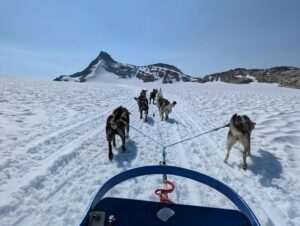
Featured photo by Andrew Hanson on Pexels.
No comments yet.