Geocaching in Anchorage: A 2026 Guide to Finding Hidden Treasure
Anchorage is one of the best cities in the country for geocaching — and most people who live here don’t know it. The combination of dense trail networks, expansive public lands, and an active local geocaching community means there are hundreds of active caches within easy reach of downtown, from quick urban finds in city parks to multi-stage hides in the Chugach backcountry. Here’s how to get started, where to look, and what makes geocaching in Alaska distinctly different from anywhere else.
What Is Geocaching?
Geocaching is a worldwide outdoor treasure hunt using GPS coordinates. Someone hides a container — called a cache — at a specific location and publishes the coordinates on geocaching.com. You plug those coordinates into your phone or GPS device, navigate to the location, find the cache, sign the logbook inside, and log your find online. The cache goes back exactly where you found it for the next person.
Caches range from full-sized ammo cans with swappable trinkets and detailed logbooks to tiny magnetic nano-containers hidden in plain sight on urban benches or signposts. Every geocache rates its difficulty on a 1–5 scale — one score for physical terrain, another for puzzle or search complexity — so you can filter for beginner-friendly finds or challenge yourself with technical hides. In Anchorage, you’ll find the full spectrum.
The only app you need is the official Geocaching app (iOS and Android) from Groundspeak. A free account gives you access to traditional caches. A Premium membership unlocks mystery caches, puzzle caches, better map filtering, and offline maps — that last feature is essential for any geocaching in Anchorage’s foothills and backcountry, where cell coverage drops quickly once you’re off the main roads.
What to Bring
- Phone or GPS device: The Geocaching app handles most finds well. Download offline maps before heading anywhere with spotty cell coverage.
- A pen: Every cache contains a paper log. You need to sign yours to claim the find.
- Sturdy footwear: Cache hides often sit 50–200 feet off marked trails in brush, rocks, or uneven terrain. Ankle support matters.
- Bear spray: Standard kit for any off-trail searching in Anchorage’s greenbelt. The Chugach foothills are active bear habitat, and poking around in brush is exactly the kind of activity that warrants it.
- Trade items (optional): Larger caches contain small trinkets. The rule is take something, leave something of equal or greater value. Kids love this element of the exchange.
City Parks: The Right Starting Point for Geocaching Anchorage
Urban caches in Anchorage’s parks are the ideal entry point for first-timers. Goose Lake Park in East Anchorage has several active caches within the park — the tree cover near the shoreline, rocky outcroppings, and varied terrain make it a natural urban hiding zone. These caches typically rate 1/1 or 2/1 on the difficulty/terrain scale, meaning they’re accessible without wilderness navigation experience. The park’s amenities — swimming beach, paved trail, adjacent coffee shop — mean a failed first attempt still ends well.
The Tony Knowles Coastal Trail, running 11 miles along Anchorage’s western waterfront from downtown to Kincaid Park, strings together a consistent series of caches along its length. The trail is accessible, partially paved, and offers views of Cook Inlet and the Alaska Range across the water. A dedicated afternoon on this corridor can yield five to eight finds — it’s a well-known route among local geocachers for stacking numbers without backcountry commitment.
Kincaid Park: Anchorage’s Richest Geocaching Zone
The Kincaid Park Trail System at the southwest corner of Anchorage is the city’s most productive geocaching area. The park’s 40-plus miles of interlocking forest trails, former ski competition runs, and coastal bluffs contain dozens of active caches across all difficulty ratings. The trail network is well-signed and accurately mapped on geocaching.com, so you can spend a full day geocaching without retracing your steps.
Several multi-cache series in Kincaid string together 8–12 individual finds along a loop route, each container providing coordinates that lead you to the next, with a final prize container at the end. These structured routes are designed for half-day or full-day outings with a clear narrative arc. Filter for “Cache Series” in the Kincaid area on geocaching.com to find them — they’re consistently well-maintained and represent some of the best urban geocaching in Alaska.
Chugach State Park: Backcountry Geocaching in Alaska
The Glen Alps Trailhead off Hillside Drive is the primary gateway into upper Chugach State Park and the launch point for Anchorage’s most dramatic caches. The Flattop Mountain Trail has caches placed near the summit — at 3,510 feet, with the city and Cook Inlet spread out below — where the GPS navigation is almost secondary to the view. Caches in this zone carry terrain ratings of 3–4, accurately reflecting the real elevation gain and rocky terrain involved.
Chugach State Park is one of the largest state parks in the country, with trail systems extending deep into terrain well beyond the reach of casual day hikers. Experienced geocachers who visit Anchorage specifically for the sport come for these remote hides — multi-hour approaches, placed in terrain requiring genuine navigation skill. These are not beginner caches. But for serious geocachers, they represent some of the most memorable hides in North America.
Alaska-Specific Cache Types
A few geocache formats appear regularly in Anchorage that are rare or nonexistent in the Lower 48:
- Winter caches: Designed to be found under snow conditions, often rated Terrain 4–5 in winter. Some require snowshoe or ski access to reach the hiding spot. The geocaching.com seasonal attributes flag these — look for the “Access in Winter” marker when filtering during colder months. Finding a well-placed winter cache after a significant approach is a different kind of satisfying than a summer find.
- Bear-canister caches: Some backcountry hides use hard-sided food canisters as the container — the same canisters required for overnight trips in bear country. Bears can’t open them; that’s part of the design. The container itself is part of the story.
- EarthCaches: No physical container. Instead, a GPS-guided geology lesson requiring on-site observation to complete. Anchorage’s EarthCaches include volcanic rock formations in Chugach State Park and tidal estuary features along the coastal trail. You answer questions based on what you observe at the location rather than signing a logbook — appropriate for a city sitting on top of some remarkable geology.
Family-Friendly Geocaching in Anchorage
Geocaching scales naturally to age and ability, which makes it one of the better family outdoor activities Anchorage has to offer. A five-year-old can successfully find a 1/1 cache at a city park. A teenager can challenge a 4/4 Chugach summit cache. The format works for families specifically because every member gets a role: someone holds the GPS, someone reads coordinates, someone spots the hiding area.
For families with younger kids, start with city park caches rated 1/1 or 1.5/1. Goose Lake Park and the flatter sections of the Coastal Trail are the most accessible starting points. Let kids control the navigation — being the one who leads the group to the final coordinates is most of the fun, and it turns an ordinary park visit into a mission with a payoff. Once the first find clicks, the concept sells itself.
Practical Tips for Geocaching in Anchorage
- Check the last-found date before heading out. Caches that haven’t been found in six months or more may be missing, waterlogged, or muggled (removed by non-geocachers). Recent activity on the cache page is a reliable indicator the container is still healthy.
- Practice stealth in urban areas. Retrieving and replacing an urban cache without being spotted by passersby is part of the game. A cache seen being handled by the wrong person gets removed. Be discreet.
- Log your finds online. Cache owners depend on find logs to know their hides are still active. If a container looks damaged or misplaced, an honest field note in your log helps the community.
- Download offline maps before any Chugach excursion. The Geocaching app’s offline mapping requires Premium membership, but it’s not optional for backcountry use. Cell service in the foothills above Anchorage drops off quickly and unpredictably.
- Plan for Alaska weather. Conditions change fast in the Chugach, especially in spring and fall. A cache rated 3/4 terrain in summer may be a different experience in October snow or spring mud. Dress in layers and carry rain gear regardless of what the morning looks like.
Finding the Geocaching Community
Anchorage has an active geocaching community with regular events posted on geocaching.com. Local gathering events and organized cache runs happen throughout spring and summer, with some events explicitly designed around Alaska conditions — permafrost-related hiding challenges, glacier-adjacent caches, and winter hunts that don’t exist anywhere in the contiguous states. Search for events near Anchorage on geocaching.com to see what’s scheduled during your visit. Showing up to a local event is the fastest way to get oriented on the best hides in the area, and local geocachers generally enjoy showing visitors what the city has to offer.
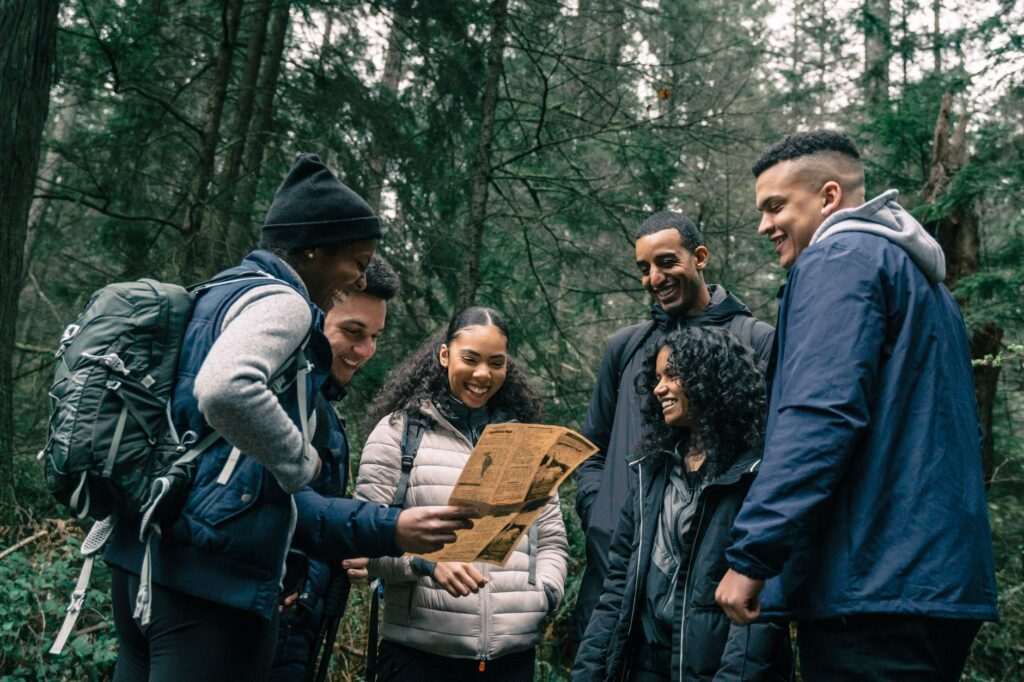
Featured photo by PNW Production on Pexels.

No comments yet.