
Alaska Packing List 2026 — What to Bring for a Summer Trip to Anchorage
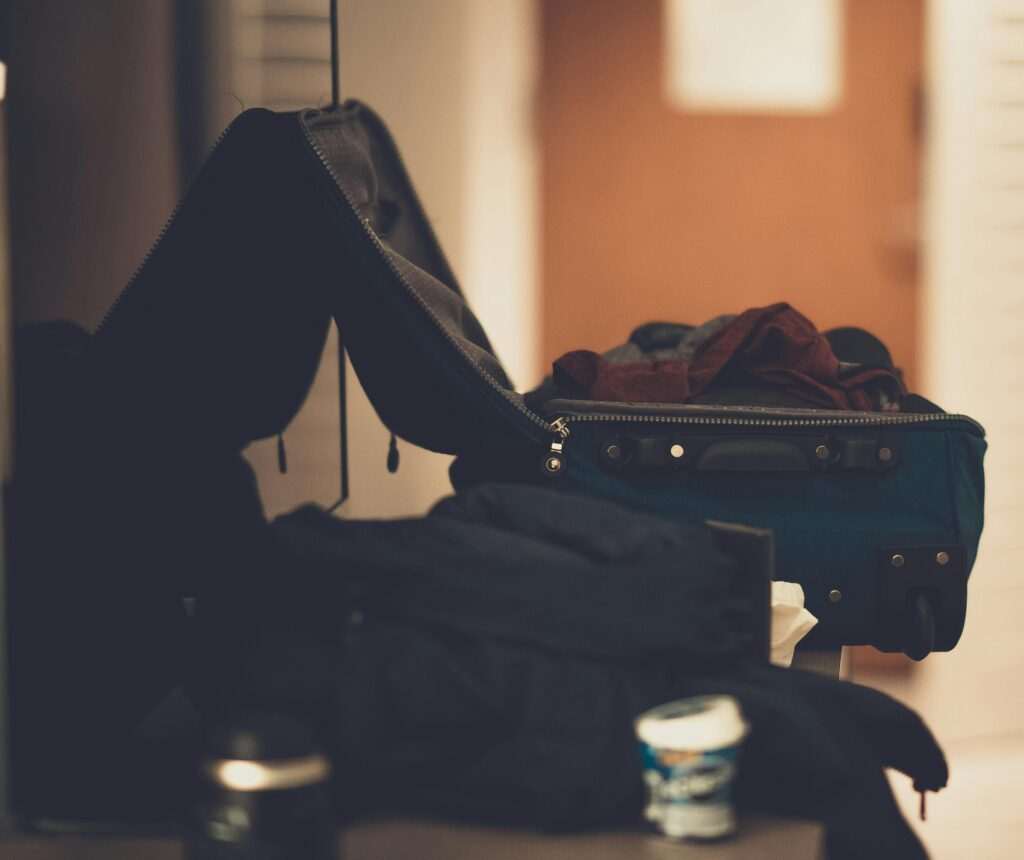
The single most common mistake visitors make when packing for Alaska is applying a normal summer travel framework to a place where that framework does not hold. Normal summer packing involves light clothing, one pair of shoes, and the assumption that warmth is the primary comfort challenge. An Alaska summer packing list starts from a different premise: the weather will change multiple times per day, the temperature range across a single week in Anchorage can span 35 degrees, and the activities visitors come for — hiking, wildlife viewing, kayaking, fishing — expose you to conditions that punish inadequate preparation in ways that affect your whole trip. Pack for the Alaska you might encounter, not the Alaska you hope for. This guide covers exactly what to bring, what to leave behind, and why each decision matters.
Understanding Alaska Summer Weather
Anchorage averages highs in the low 60s°F in July, but averages conceal the range: a single July week can bring 75°F and sunny, followed immediately by a cold front that drops temperatures to 45°F with sustained rain. The Kenai Peninsula, the Seward Highway corridor, and any area near the Gulf of Alaska receive significantly more precipitation than Anchorage proper. Rain is not a possibility in Alaska summer — it is a scheduled event. On some days it lasts an hour; on others it lasts three days. Visitors who dress for rain when it’s not raining are only slightly overdressed; visitors who don’t dress for rain when it starts are cold and miserable within 20 minutes.
The practical framework is layering: a system of base layer, mid layer, and outer shell that allows you to add and remove pieces as conditions change throughout the day. This framework is not just theory — Alaska residents dress this way every day and the system works. Commit to it before you pack, and you will be comfortable in conditions ranging from a warm sunny afternoon on the Tony Knowles Coastal Trail to a rainy morning on a Kenai Fjords boat where spray and wind make it feel 20 degrees colder than the forecast temperature.
Clothing: The Essential List
Outer Shell — Rain Jacket
A waterproof, windproof jacket with a hood is the single most important item on this list. Not water-resistant — waterproof. The distinction matters after two hours of steady Alaska rain. Look for taped seams and a waterproof rating of at least 10,000mm. The hood should be adjustable enough to stay on in wind. Bring this on every outing regardless of the morning forecast. Many visitors own a rain jacket but leave it at the hotel because it looks sunny. Those visitors get wet.
Waterproof rain pants are worth including for any hiking plans extending beyond day walks near the city. Wet brush and wet trails transfer moisture to fabric quickly, and leg coverage matters more than most visitors expect until they’ve hiked through wet alders in shorts.
Mid Layer — Fleece or Light Down
A midweight fleece or a packable down jacket fills the temperature gap between base layer and rain shell. Down is warmer for its weight; fleece stays insulating when wet. For Alaska, a fleece or synthetic insulated jacket is more practical than pure down for any activities involving rain or potential moisture. The mid layer is what you wear at 6 AM on a fishing boat or during the first hour of a glacier hike before you’ve warmed up.
Base Layers
Merino wool base layers — tops and bottoms — outperform synthetics in Alaska for two reasons: they insulate even when wet, and they manage odor across multiple days of wear without washing. For a 7 to 10 day trip involving multi-day hiking or remote travel, two merino base layer tops allow you to alternate days and extend the washing cycle. The higher cost of merino compared to synthetic alternatives is real; the performance difference justifies it for most Alaska itineraries.
Footwear
Waterproof hiking boots are the footwear choice for any hiking plans in Alaska. The terrain combines wet rock, mud, root-crossed forest trail, and stream crossings in combinations that destroy non-waterproof footwear within a morning. Boots with ankle support handle the uneven terrain better than trail runners, though trail runners with waterproof membranes are acceptable for day hikes on maintained trails. Break them in before arriving — blisters on day two of an Alaska hiking itinerary are a genuine trip problem.
For town use, waterproof casual shoes or low-cut waterproof trail shoes cover Anchorage’s sidewalks and light trails. Sandals are optional and useful on warm sunny days but will see limited use on a typical summer trip.
Hats, Gloves, and Sun Protection
A warm hat and light gloves belong in your day pack even in July. Cold wind on a boat tour or at elevation in Chugach State Park makes them necessary, and they weigh almost nothing. A sun hat with a brim adds UV protection for sunny days and light rain protection for drizzle. Alaska summer sun at 61 degrees north is more intense than most visitors expect — UV index ratings run high during the long summer days, and sunburn is common among visitors who don’t account for the extended sun exposure that comes with 19-hour summer days.
SPF 50 sunscreen and quality UV-blocking sunglasses complete the sun protection package. Apply sunscreen in the morning and reapply mid-afternoon on sunny days, particularly on the water where reflection amplifies UV exposure.
Gear: The Critical Items
Bear Spray
Bear spray is essential for any hiking outside of urban Anchorage — and advisable even for trails at the edge of the city like those in Chugach State Park. It is more effective than firearms in most bear encounter scenarios when deployed correctly, and it is required in many backcountry areas. Critically: do not fly to Alaska with bear spray. The TSA prohibits it in both carry-on and checked baggage. Purchase bear spray after arrival at REI on Northern Lights Boulevard, Sportsman’s Warehouse, or any outdoor gear shop in Anchorage. Budget $40 to $50. It can be returned or left with your accommodation at the end of the trip.
Day Pack
A 20 to 30 liter day pack handles day hikes, boat tours, and city exploration. Look for a hip belt (transfers weight to your hips on longer hikes), a hydration sleeve, and a rain cover or rain-resistant material. Many visits to the Alaska Wildlife Conservation Center or day hikes in Chugach involve several hours of carry time, and a properly fitted day pack makes a significant difference in comfort.
Binoculars
Quality binoculars — 8×42 is the versatile standard — transform wildlife viewing from a guessing exercise into an experience with real detail. Moose at 150 yards, Dall sheep on a cliff face, bears on a distant hillside, beluga whales in Turnagain Arm: all of these are dramatically better experiences with binoculars than without. This is not a nice-to-have in Alaska — it is the piece of gear that most directly affects the quality of wildlife encounters throughout the trip.
Insect Repellent
Alaska mosquitoes are real and aggressive, particularly in June and July near wetlands, lakes, and tundra. DEET-based repellents at 25 to 30% concentration are the most effective option; permethrin-treated clothing provides an additional layer of protection for extended time in the field. Anchorage’s urban core has manageable mosquito levels; anywhere near standing water or bog terrain — Potter Marsh, the Eklutna area, most Kenai Peninsula lakeshores — has genuine mosquito pressure that makes repellent necessary rather than optional.
Water Bottle and Filtration
Anchorage tap water is excellent — sourced from Eklutna Lake and among the cleanest municipal water in the country. A reusable 32oz bottle eliminates plastic waste and keeps you hydrated through long summer hiking days. For backcountry travel beyond maintained trails, a water filter or purification tablets allow you to use stream and lake water safely.
First Aid and Blister Kit
Moleskin, blister bandages, athletic tape, ibuprofen, antihistamine, and basic wound care supplies. Alaska hiking terrain produces blisters more reliably than gentler terrain elsewhere, and a blister addressed on day one is a minor inconvenience; a blister ignored until day three can end a hiking itinerary. Keep the kit in your day pack, not your hotel room.
Electronics
Bring your best camera. Alaska delivers photographic opportunities that visitors genuinely regret not having better gear for — wildlife at close range, glacier scenery, the extended golden-hour light of summer evenings. A camera that performs well in low light and can accept interchangeable lenses covers the full range of Alaska subjects better than a point-and-shoot or phone camera alone, though modern phone cameras are capable enough for the casual photographer.
A power bank with at least 20,000mAh keeps your phone charged through full-day outings where outlet access is limited. Download offline maps before leaving Anchorage: Google Maps offline downloads cover road system areas adequately, and Gaia GPS provides detailed topographic coverage for backcountry navigation. Cell coverage along the Seward Highway and Glenn Highway is generally reliable but drops significantly beyond the road system. Being caught with dead navigation and no cell signal on a remote trail is avoidable with five minutes of preparation. A small waterproof dry bag or zip-lock bags protect electronics during boat tours, kayaking, and rainy trail days — Kenai Fjords boat tours involve genuine spray, and phones and cameras left unprotected in open bags regularly suffer for it.
Documents and Licenses
Alaska fishing license ($25/day or $145/season for non-residents) can be purchased online through the Alaska Department of Fish and Game before arrival — convenient if you plan to fish on your first day. The popular Ship Creek salmon run in downtown Anchorage requires a valid license; enforcement is active during peak season. A halibut stamp is required in addition to the base license for saltwater halibut fishing and can be added during the license purchase process.
Print or download confirmation PDFs for any guided boat tours, flightseeing operations, or national park permits. Cell coverage at departure points — Homer Spit, Seward Small Boat Harbor, remote airstrips — is not guaranteed, and paper backups of reservation confirmations eliminate check-in complications. A National Parks pass ($80 annual) pays for itself if your itinerary includes Kenai Fjords, Denali, or other NPS fee areas.
What to Leave at Home
An umbrella is useless in the sustained wind that accompanies most Alaska rain. Every experienced Alaska visitor ditched theirs years ago; your rain jacket hood handles precipitation better in every wind condition. Heavy formal or business wear has essentially no use case in Anchorage summer — the city is fundamentally casual, and even nicer restaurants welcome clean outdoor clothing. Do not bring bear spray from home: as noted above, it cannot fly in any luggage configuration. And resist overpacking footwear — waterproof hiking boots and one pair of casual waterproof shoes cover the full range of Alaska summer activities for most visitors.



No comments yet.