
Girdwood & Alyeska Resort: Day Trip from Anchorage 2026 Guide
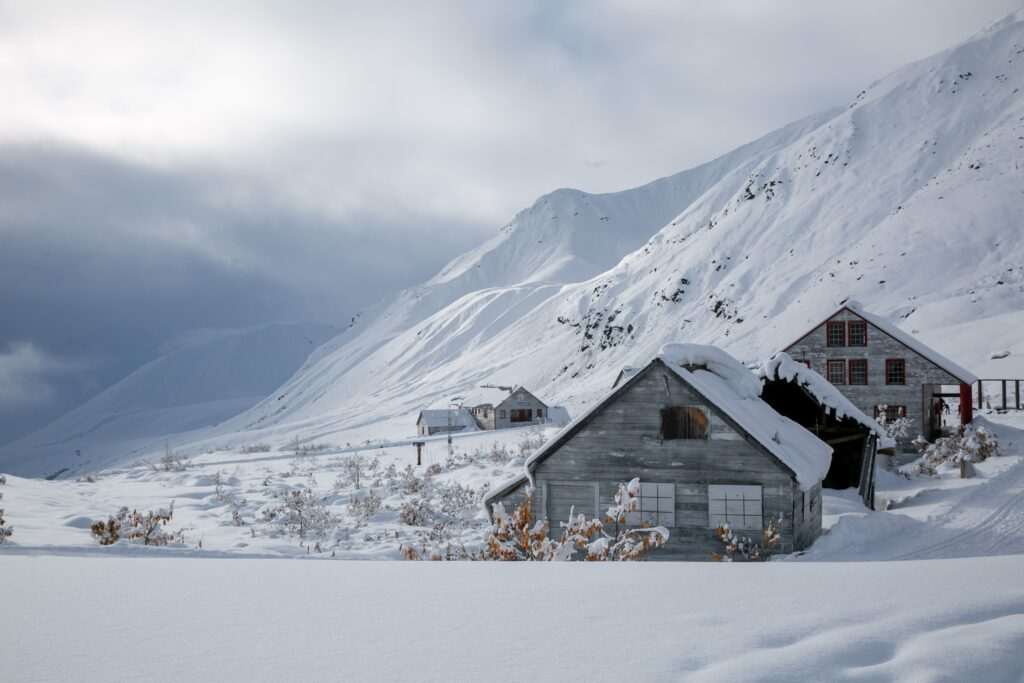
Forty miles south of Anchorage on the Seward Highway, the valley narrows, the mountains close in on both sides, and a hand-painted sign marks the turn for Girdwood. The village sits in a steep-walled bowl at the base of Alyeska Resort’s ski terrain — a community that feels genuinely different from Anchorage in every way: smaller, quieter, wilder at the edges, with a character shaped by generations of skiers, climbers, artists, and people who chose to live at the end of a side road in the Chugach Mountains. As a day trip from Anchorage, Girdwood and Alyeska offer an alpine experience that’s hard to match anywhere else in the state for accessibility. This guide covers everything you need to make the most of the drive.
Getting There: The Seward Highway and Turnagain Arm
The Seward Highway south from Anchorage to Girdwood is itself a destination — the 40-mile drive through Turnagain Arm is one of the most scenic coastal road corridors in North America. The highway traces the water’s edge along a narrow fjord below vertical Chugach cliffs, with the inlet on one side and mountain faces rising directly from the road on the other.
Leave Anchorage with some time to stop. Beluga Point (mile 110) is the named pullout for Cook Inlet beluga whale viewing — the threatened Cook Inlet population uses the arm for summer salmon feeding, and sightings are most common in June and July. Bird Point (mile 96) provides the broadest open view down the arm and is the best place to observe a tidal bore, a wave of advancing water visible at certain tide stages. Dall sheep are regularly spotted on the grey cliffs above the highway between McHugh Creek and Potter — scan the faces as you drive.
The Girdwood turn is at mile 90. Total drive time from Anchorage: 45 to 60 minutes without stops, longer if you linger at the pullouts (worth it). The access road runs 3 miles into the valley to the resort base and the village center.
Alyeska Resort: Year-Round Alaska Mountain Experience
Alyeska is Alaska’s largest ski resort — 1,610 acres of terrain across seven lifts, a 2,500-foot vertical drop, and a snowpack that reliably lasts from November through April. The resort receives an average of 669 inches of snow annually, making it one of the snowiest ski areas in North America. The terrain spans beginner-to-expert runs across three faces, with the north face offering Alaska’s steepest resort skiing and the lower mountain providing gentler groomed cruising.
In winter, a day trip from Anchorage means ski-in by 10 AM and out by 3 PM with time for a drink at the base lodge before the drive back — entirely manageable as a same-day trip. Rentals are available at the base, and the resort operates a ski school for first-timers.
In summer, the Alyeska Aerial Tram transforms the resort into an alpine viewpoint. The tram runs from the base area to 2,300 feet at the top of Mount Alyeska, where the views across Turnagain Arm and down toward the valley floor are among the most dramatic accessible panoramas in Southcentral Alaska. The summit has hiking trails through wildflower meadows — fireweed, lupine, and arnica in full color by mid-July — and the upper mountain trail system rewards hikers with genuine alpine tundra within an hour of the valley floor.
Mountain biking has expanded significantly at Alyeska in recent years, with a network of lift-served trails covering everything from flow tracks to technical terrain. Bikes can be rented at the resort in summer.
At the resort’s summit, Seven Glaciers Restaurant offers the most elevated fine dining in Alaska — literally. The restaurant sits at the top of the tram, with floor-to-ceiling windows framing the inlet and mountains below. The menu rotates seasonally with an emphasis on Alaska ingredients; reservations are recommended for dinner, and the restaurant is accessible in summer only by tram. Lunch service is more casual. Even a coffee at the summit cafe is a worthwhile excuse to ride the tram.
Girdwood Village: Trails, History, and Forest
The village itself is worth a few hours beyond the resort. Girdwood has a genuine small-community character — galleries, independent restaurants, a brewery, and a community that’s been here long enough to have its own history.
The Winner Creek Trail is the most rewarding short hike in the Girdwood area — a 4.5-mile round-trip through old-growth spruce and hemlock forest to the Winner Creek Gorge, where a hand tram crosses the creek above a dramatic cut in the bedrock. The trail is well-maintained, mostly flat, and suitable for all fitness levels; the gorge crossing on the hand tram is a memorable moment that requires a small amount of physical effort (pulling the tram across by rope) but no technical skill. Allow 2.5 to 3 hours round trip.
Crow Creek Mine, a 30-minute walk or short drive from the village, is one of the few operating gold mines in the Anchorage area open to the public. The mine dates to 1896 and has original equipment and structures still on-site. Visitors can pan for gold in the creek — the activity is genuinely productive, and the mine maintains stock so that almost everyone finds something. It’s a good option for families or visitors interested in Alaska’s gold rush history at ground level.
For birdwatching, the riparian corridors through the valley floor — particularly around the Golf Course Road area and along the lower Winner Creek — produce yellow warblers, common yellowthroats, spotted sandpipers, and the occasional American dipper working the creek rocks. The dense spruce forest nearer the resort base holds boreal species: spruce grouse, Steller’s jays, and gray jays year-round.
Eating and Drinking in Girdwood
Girdwood Brewing Company is the natural after-ski or post-hike stop. The taproom pours a rotating selection of house-brewed ales and lagers in a warm, wood-paneled space that fills with locals and day-trippers by late afternoon. The beer quality is consistently high and the atmosphere is unpretentious — exactly what you want after a day on the mountain or on the trail.
Chair 5 Restaurant, a longtime Girdwood institution in the village center, serves as the town’s go-to pub for burgers, pizza, and après-ski food in a reliably warm room with a good beer list. It handles the full range of Girdwood clientele — ski families, hikers, locals in after work — and does it well without pretense. No reservations; walk-in.
The Double Musky Inn, open Wednesday through Sunday for dinner, is Girdwood’s fine dining alternative at ground level — Cajun-inflected Alaska cooking in a log building that’s been an institution in the valley since 1962. The crab and shrimp preparations are reliably excellent. Expect a wait without a reservation on weekends, especially in ski season.
Best Time to Visit
Girdwood and Alyeska have genuine appeal across every season, which is unusual for a day trip destination.
Winter (November–April): Skiing and snowboarding at their best. The mountain typically opens in mid-November and runs through April. January and February deliver the most reliable snow coverage. Weekday visits from Anchorage mean shorter lift lines; weekend crowds are heavier but the atmosphere at the resort base is livelier.
Summer (June–August): Tram rides, wildflower meadows, Winner Creek hiking, and mountain biking. The Blueberry Festival, held in August, is Girdwood’s signature community event — vendors, live music, and wild blueberry products in a festival that draws several thousand people to the village. Book accommodations well in advance if you’re planning to stay overnight during festival weekend.
Shoulder seasons (May and September–October): May brings snow melt and early wildflowers at lower elevations; the resort may still be open for spring skiing through mid-April. September offers dramatic fall color in the birch and alder stands below treeline, significantly fewer visitors than summer, and cool hiking conditions. October can see early snow on the upper mountain before the resort officially opens.
Nearby: Portage Glacier
Adding a Portage Glacier stop makes a Girdwood day trip into one of the most complete Alaska day-trip combinations accessible from Anchorage. The Portage Valley turn is 8 miles south of the Girdwood junction on the Seward Highway — a 5-mile detour into the valley where boat tours run to the calving face of an active glacier. The combination of Turnagain Arm, Girdwood’s alpine scenery, and a glacier at water level covers three distinctly different Alaska environments in a single day.
What to Bring
Year-round: layers. Girdwood sits in a valley that creates its own weather — it can be clear in Anchorage and raining in the valley, or vice versa. A waterproof shell and mid-layer cover both ski days and summer hikes. For the Winner Creek Trail, standard hiking footwear handles the terrain in dry conditions; waterproof boots add comfort in wet weather, which is common even in summer.
Bear spray is recommended for all trail hiking in the Girdwood valley. The valley floor sees black bear activity regularly in summer, particularly along creek corridors. Make noise on forested trails.
In winter, studded tires are standard for the Seward Highway drive and are available as rental additions from most Anchorage car rental companies. The highway is maintained year-round but can be icy in the tight curves above the arm, particularly at night. Allow extra time on the return drive in winter conditions.


No comments yet.