
Anchorage Museum 2026: Visitor Guide & What to See
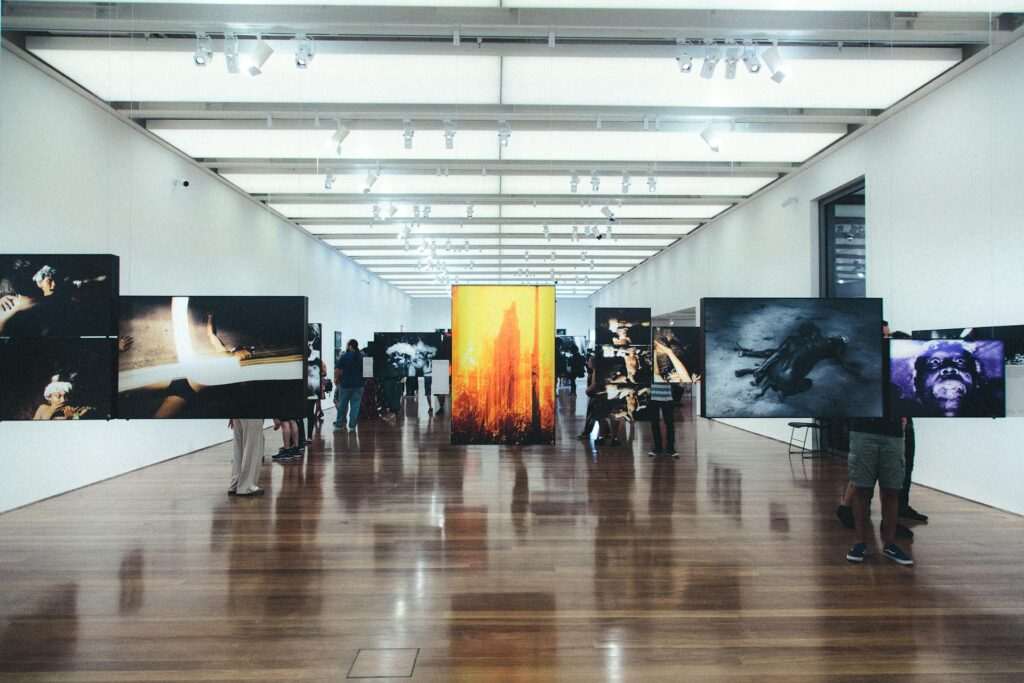
In a city better known for its outdoor adventures, the Anchorage Museum at Rasmuson Center is the quiet anchor of downtown’s cultural life — and frequently the biggest surprise for first-time visitors. This is not a regional curiosity with a few stuffed moose and gold-rush artifacts. It is a serious, world-class institution covering 11 floors of art, Alaska history, natural science, and Alaska Native culture, home to a permanent Smithsonian partnership and a collection that ranges from thousand-year-old Yup’ik objects to cutting-edge contemporary installations. Plan to spend at least two or three hours. Many visitors stay longer.
The Building
The museum occupies a striking modernist building at 625 C Street in downtown Anchorage, connected to the Anchorage Convention Center via a covered sky bridge. The architecture is unmistakably contemporary — large glass facades, clean lines, a dramatic atrium — and worth noting even from the outside. A covered parking garage sits directly adjacent, and the building is a short walk from most downtown hotels and the Alaska Center for the Performing Arts. The museum’s gift shop near the main entrance is one of the best in Alaska for high-quality art prints, Alaska Native jewelry, books, and crafts made by Alaska artists.
Hours and Admission
The Anchorage Museum is typically open Tuesday through Sunday, closed Mondays. Summer hours (mid-May through mid-September) generally run 9 a.m. to 6 p.m. daily; winter hours are reduced. Confirm current hours on the museum’s website before you visit.
Approximate 2026 admission rates:
- Adults: ~$20
- Seniors and students: ~$15
- Children under 6: Free
- Alaska residents: Discounted rates available with ID
Audio guides are available at the admissions desk. The museum is fully wheelchair accessible, with elevators throughout.
Signature Exhibitions
The Alaska Exhibition fills an entire floor with a comprehensive narrative of Alaska history, from pre-contact indigenous cultures through Russian colonization, the gold rushes, statehood, the Trans-Alaska Pipeline, and contemporary Alaska. The timeline is immersive and well-curated, with artifacts, photography, and interactive elements that contextualize the Alaska experience in ways that outdoor tourism cannot. This is the single best place in the state to build a historical framework for everything else you’ll see and do.
Particular highlights within the exhibition include an immersive section on the Trans-Alaska Pipeline — one of the most ambitious engineering feats in American history, completed in 1977 and carrying oil 800 miles from Prudhoe Bay to Valdez. An adjacent section on the 1964 Good Friday Earthquake, at 9.2 magnitude the largest recorded earthquake in North America, documents the destruction and rebuilding of Anchorage with original footage and photographs. The pre-contact Alaska Native cultures section, which opens the exhibition timeline, features objects and oral history that put everything that follows in longer perspective.
The Smithsonian Arctic Studies Center is a permanent gallery developed in partnership with the Smithsonian Institution, presenting over 600 Alaska Native objects from the Smithsonian’s collections alongside oral histories and video from Alaska Native communities. The objects span every region of the state and many centuries of material culture. It is quiet, thoughtful, and genuinely moving.
Art of the North showcases contemporary painting, sculpture, and mixed media by Alaska and circumpolar artists. The collection is surprising in its scope and ambition — this is not folk art or souvenir work but serious contemporary practice that reflects the Arctic environment, indigenous identity, and the Alaskan experience through a modern lens.
The Planetarium
The Anchorage Museum operates an in-house planetarium — a full-dome digital theater presenting programs on Alaska’s night skies, the science of the Aurora Borealis, and astronomical events visible from high northern latitudes. Shows run on a rotating daily schedule in summer and on weekend schedules in winter, with special programming during aurora season and solstice events. The aurora program is particularly well-suited for visitors planning to chase northern lights: it explains the geophysics clearly, sets realistic expectations for timing and viewing locations, and includes filmed aurora sequences from across Alaska. Planetarium tickets are sold separately from general museum admission; popular weekend shows book out, so reserve in advance on the museum’s website.
Family Programming and Discovery Center
The Anchorage Museum‘s Discovery Center is designed for families with children, offering hands-on science exhibits, engineering challenges, and interactive displays focused on Alaska’s natural world. It’s a genuine hit with kids aged 4–12 and gives adults a break to explore other galleries. The museum also runs a regular schedule of lectures, film series, community events, and special programming tied to traveling exhibitions — check the website for the 2026 calendar.
Museum memberships are available at the admissions desk and quickly pay for themselves. An individual or family membership includes free general admission, discounts on planetarium tickets and gift shop purchases, and access to member-preview events for new exhibitions. If you’re in Anchorage for a week or more, or plan to return on a future trip, the membership is straightforward value.
Practical Tips
- Allow 2–3 hours minimum. The Alaska Exhibition alone can occupy 90 minutes if you engage with it fully.
- Café on-site. The museum has a café for lunch or a mid-visit break; quality is solid for a museum restaurant.
- Coat check available. If you’ve come in from outdoor activities with heavy gear, they’ll hold it at the desk.
- Photography: Generally permitted in permanent galleries without flash; check signage in traveling exhibitions.
- Shop last. The gift shop is easy to spend more time (and money) in than you expected — save it for the end.
Combining with Nearby Attractions
The museum sits within a 10-minute walk of several other downtown Anchorage highlights. The Alaska Center for the Performing Arts is directly across Town Square Park, which hosts food trucks and live performances on summer evenings. For Alaska Native culture in greater depth, the Alaska Native Heritage Center — about 8 miles northeast in Muldoon — is a full-day cultural campus with traditional dwellings, demonstrations, and performances representing all major Alaska Native groups. Together, the museum and the Heritage Center form the strongest cultural one-two combination readily available to any first-time Alaska visitor.

No comments yet.