
Eagle River Nature Center 2026 Visitor Guide — Trails, Wildlife & Tips
At the End of the Road, a World Opens Up
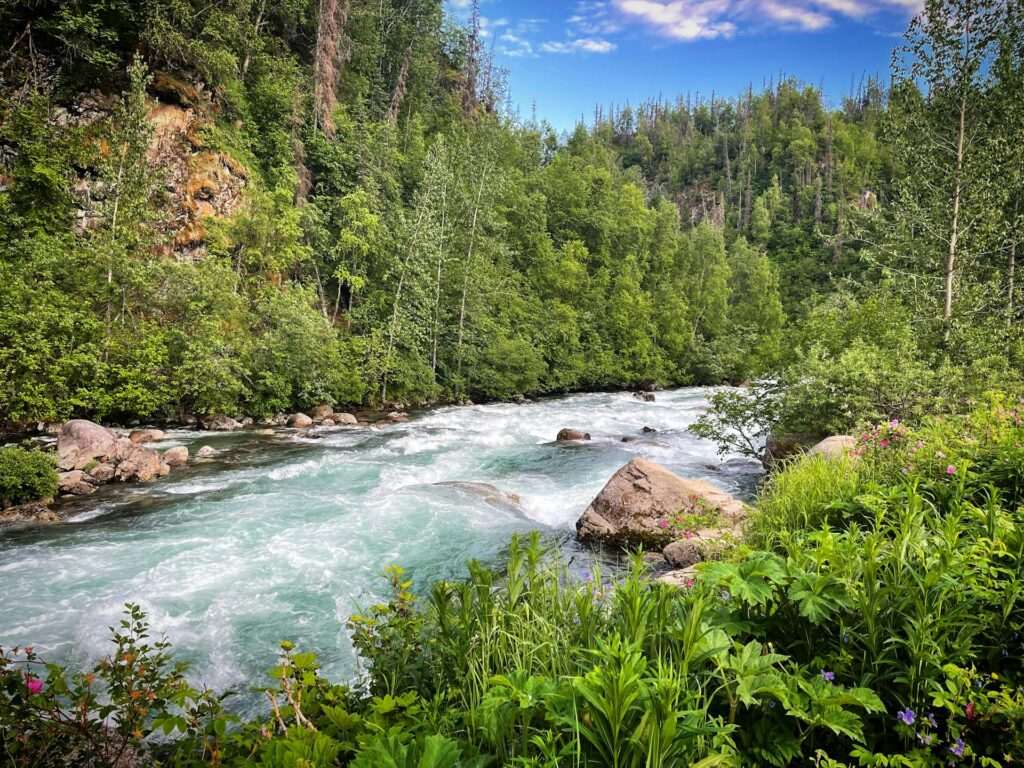
Follow Eagle River Road to its end — about 12 miles past the town of Eagle River and 30 minutes northeast of downtown Anchorage — and you arrive at one of the best-positioned nature centers in Alaska. The Eagle River Nature Center sits at the mouth of a dramatic mountain valley where the Eagle River cuts through Chugach State Park’s front range. From the parking area alone, the view up-valley toward jagged peaks and hanging glaciers stops most first-time visitors mid-step.
The center charges a $5 per vehicle day-use fee — one of the better values in Anchorage outdoor recreation. It’s open year-round, with extended hours in summer (typically 10 a.m. to 5 p.m., May through September) and reduced winter hours. Check the center’s website before visiting, as hours shift seasonally.
The Nature Center Itself
The building houses interpretive exhibits focused on Chugach State Park’s ecology, wildlife displays, and information on trail conditions and backcountry routes. Staff naturalists are consistently knowledgeable and genuinely helpful for trip planning — if you’re considering an overnight into the backcountry or want to know current bear activity on a specific trail, a conversation at the front desk is worth the stop. A small gift shop carries trail guides, park maps, and Alaska nature books. Covered picnic tables outside handle lunch or a snack break before hitting the trails.
Albert Loop Trail: The Best Starter Hike
The Albert Loop Trail begins directly behind the nature center and is the most popular route for first-time visitors. The 3.4-mile loop is rated easy to moderate — it gains minimal elevation and follows well-maintained tread through old-growth spruce forest, open tundra meadows, and river overlook points with direct views of the glacier-fed Eagle River below. The combination of forest, tundra, and mountain panorama in a single short loop is hard to match anywhere near Anchorage.
Plan about two hours at a comfortable hiking pace, slightly more if you stop frequently for photos. The trail connects to longer routes including the Heritage Trail (part of the historic Iditarod Trail corridor) for those wanting a bigger day.
Other Trails and Day Options
The Dew Mound Trail (1 mile, easy) is a good option for young children, and the Rapids Camp connector leads upstream into more rugged Chugach backcountry for those wanting a longer day. Overnight backcountry camping beyond the center is available with an advance permit through Alaska State Parks; day use requires no reservation.
Wildlife in the Valley
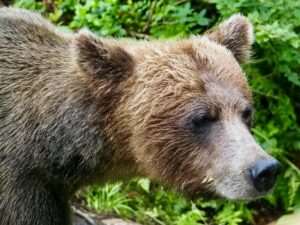
The Eagle River valley is one of the most reliably productive wildlife corridors accessible from Anchorage. Moose are common year-round and frequently visible near the trailhead and along the river bottom. Black bears inhabit the drainage and are active from spring through fall — the Eagle River Bear Viewing Trail nearby offers a dedicated route for observing bears near salmon streams during the summer run. Dall sheep appear on the gray ridges above the valley, often visible with binoculars from the center’s parking area. Occasional wolf sightings have been reported in the upper valley.
Salmon viewing is one of the valley’s overlooked highlights. Pink and chum salmon run up the Eagle River through the summer months, typically peaking in late July and August. The boardwalk section near the nature center crosses directly above active spawning gravel in good years — bright-sided pinks and chums visible in the shallows without effort. Late summer salmon runs draw bears to the stream edges, making the late-July-to-August window simultaneously the best time for salmon watching and the peak of bear activity in the drainage. Staff at the nature center post current bear-activity reports at the front desk; check before heading to the river boardwalk.
Standard Alaska protocols apply: maintain distance, never approach or feed animals, and carry bear spray on any trail beyond the center vicinity.
Seasonal Highlights
Summer (June–August) brings the longest days and driest trails. Late August and September deliver the year’s most striking conditions: tundra turns crimson and gold, cottonwoods go yellow along the river, and the low-angle light is exactly what photographers come for. Winter visitors use the valley for cross-country skiing and snowshoeing when snow conditions allow.
Getting There and What to Expect
Take the Glenn Highway north to the Eagle River exit, then follow Eagle River Road about 12 miles to its terminus at the nature center. The road is paved but narrows in sections. Cell service drops within a few miles of the center — download offline maps beforehand. On summer weekends, parking fills by mid-morning; arriving before 9 a.m. is the reliable solution.
Accessibility and Getting the Most from Your Visit
The Eagle River Nature Center trailhead is paved and level, with restroom facilities available year-round. The first section of the Albert Loop Trail is compacted gravel — manageable for most strollers — before transitioning to natural surface as the trail enters the forest proper. A small day-use parking fee applies, typically $5 per vehicle payable at the trailhead kiosk; annual Alaska State Parks passes are also accepted.
Photography at Eagle River Nature Center rewards patience more than speed. The open meadow sections near the center buildings offer wide views of the valley and the peaks above, particularly in morning light when the mountains catch the early sun. Wildlife photographers find the river corridor productive: look for moose in the willow thickets along the water’s edge, and scan the upper slopes for Dall sheep, which are regularly spotted on the ridgelines above treeline. A telephoto lens and tripod are worthwhile if wildlife photography is a priority for your visit.
Frequently Asked Questions
How much does it cost to visit the Eagle River Nature Center?
A $5 per vehicle day-use fee applies. The fee covers parking and access to the nature center exhibits and all day-use trails. No advance reservation is needed for day visits.
Is the Albert Loop Trail good for beginners and families?
Yes. The Albert Loop Trail is rated easy to moderate, covers 3.4 miles, and gains minimal elevation. It’s well-maintained and suitable for most fitness levels, including older children who can handle a two-hour walk. The Dew Mound Trail (1 mile, easy) is the better choice for very young children.
Are there bears at Eagle River Nature Center?
Black bears are present in the valley and active from spring through fall. Encounters near the center are uncommon, but standard bear awareness practices apply on all trails: carry bear spray, make noise, and never approach or feed wildlife.
What is the best time of year to visit?
Summer (June–August) offers the longest days and driest trails. Late August through September delivers spectacular fall foliage — the valley’s tundra and cottonwoods turn gold and crimson, making it one of the most scenic short drives from Anchorage. Winter is good for skiing and snowshoeing when conditions allow.

No comments yet.