
Alaska Whale Watching 2026: Humpbacks, Orcas & Belugas Near Anchorage
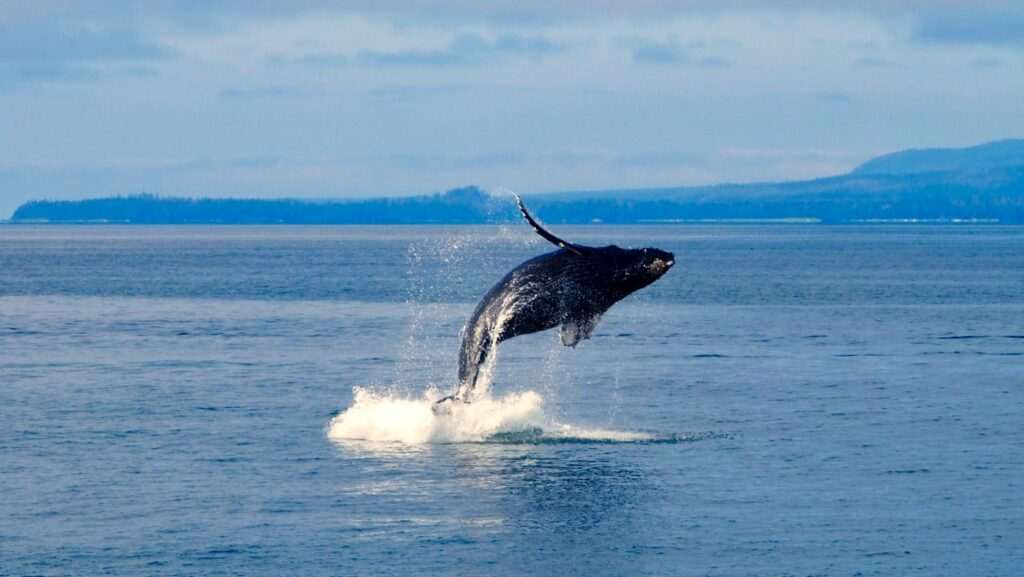
Alaska’s waters support some of the most productive marine ecosystems on earth, and the whale watching that results is genuinely world-class. From the quiet spectacle of beluga whales visible from a Seward Highway pullout to the overwhelming experience of humpbacks breaching in Kenai Fjords, Alaska offers encounters across species and settings that few places can match.
Here’s where to find whales from an Anchorage base, what species to expect, and how to plan your sightings.
Beluga Whales: The Accessible Wonder
Cook Inlet has a resident population of beluga whales — the endangered Cook Inlet beluga subpopulation — that makes this the only place in the world where you can see belugas from a major urban waterfront. Belugas are smaller than humpbacks, white as adults (gray-brown as calves), and highly social. They move through the upper inlet in pods, and sightings from shore are common.
Turnagain Arm Beluga Whale Viewing along the Seward Highway south of Anchorage is the most reliable free wildlife viewing opportunity in the region. The arm is narrow and the road runs right along the water — beluga pods come in with the tides, often within a few hundred feet of the highway pullouts. Sightings are most reliable in summer when salmon runs draw the whales into the upper arm. Bird Point (about 25 miles south of Anchorage) is a particularly productive pullout.
Cook Inlet Beluga Whale Viewing offers additional context on the population status and viewing locations within the city limits.
Humpback Whales: The Main Event
Humpback whales are the most spectacular whale watching subject in Alaska, and Kenai Fjords National Park offers some of the most reliable humpback encounters in the state. These are large animals — 40–50 feet, 25–40 tons — and their surface behaviors (lunge-feeding, breaching, spy-hopping, pectoral slapping) create the dramatic whale watching moments that define the experience.
The Kenai Fjords waters, from Resurrection Bay south around Aialik Bay and into the open Gulf of Alaska, support large numbers of humpbacks through the summer feeding season (May–September). Day cruises from Seward are the standard access.
Major Marine Tours is one of the primary operators running Kenai Fjords wildlife cruises from Seward, with both half-day Resurrection Bay tours and full-day trips that venture further into the park. The full-day tours cover more ground and encounter more wildlife; for whale watching specifically, the outer tours in the open waters give more exposure to humpback territory. Most cruises offer wildlife sighting guarantees — if you don’t see certain species, partial refunds apply.
Seward Ocean Excursions also operates from Seward and offers smaller group sizes for a more intimate experience.
Orca (Killer Whales): Resident and Transient Pods
Orcas in Alaska fall into two distinct populations with different ecologies. Resident orcas eat fish (primarily salmon) and travel in family groups that remain in established territories. Transient orcas eat marine mammals — sea lions, seals, occasionally other whales — and travel more extensively. The behavioral difference is visible: resident pods are social and vocal; transients are more tactical and quiet.
Both types are present in Prince William Sound and the Kenai Fjords. Sightings are not as reliable as humpbacks — orcas cover more territory and are less predictable — but wildlife cruises encounter them regularly through the season. In the rare event of a transient pod targeting a larger whale, you may witness something extraordinary and deeply complicated.
Other Marine Megafauna
Fin whales and minke whales appear in Gulf of Alaska waters and are occasionally seen on the outer Kenai Fjords tours. The real surprise for many visitors is the volume of other marine wildlife on these cruises:
- Sea otters: By the thousands in some areas, floating on their backs, wrapped in kelp, using rocks to crack shellfish on their stomachs. They’re everywhere in the protected waters of Prince William Sound and Kenai Fjords.
- Steller sea lions: Massive animals — males can reach 2,500 pounds — hauled out on rocks in thundering colonies, audible from hundreds of yards away.
- Dall’s porpoise: The fastest cetacean, these black-and-white porpoises ride bow waves at high speed and are a regular companion for cruise boats.
- Puffins: Both horned and tufted puffins nest on rocky islands throughout the Kenai Fjords. Seeing them in their breeding plumage from a boat in their natural habitat is consistently one of the photographic highlights of an Alaska cruise.
Kachemak Bay and Homer
Homer, 5 hours south of Anchorage on the Sterling Highway, offers whale watching in Kachemak Bay with a different character from the Seward trips — smaller operators, calmer protected waters, and year-round orca sightings in some years. Several Homer-based wildlife operators run whale watching and wildlife cruises that include Kachemak Bay and the waters off the outer Kenai Peninsula.
Photography Tips from a Moving Boat
Photographing whales from a whale watching boat is challenging. The key elements: a fast shutter speed (1/1000 sec minimum to freeze motion — whales breach faster than they look), a lens in the 200–400mm range for reach, continuous autofocus, and patience. The hardest part is the unpredictability — whales surface where they choose, not where you’re pointing. Watch for the exhalation spray (“blow”) first, as it announces the surface before the whale body appears. Then track the animal for subsequent surfaces, which tend to follow a pattern.
Vibration reduction/image stabilization matters more on a boat than on land because deck vibration adds to motion blur. Enable it for all shots from a moving vessel.
Peak Season and Planning
Humpbacks and orcas: peak season is June through August, with May and September productive shoulder months. Belugas in Cook Inlet: present year-round, most visible in summer when salmon runs bring them into the upper arm. Book Kenai Fjords cruises in advance for mid-summer — the most popular departures fill up weeks ahead.
Seward is 2.5 hours from Anchorage. Most people do the wildlife cruise as a day trip: depart Anchorage early, catch a morning or midday boat, return by evening. The full-day outer tours from Seward are worth it if time allows — more ocean coverage, more wildlife, better humpback viewing.


No comments yet.