
Dog Sledding Near Anchorage 2026: Mushing Tours, Iditarod History & Where to Ride
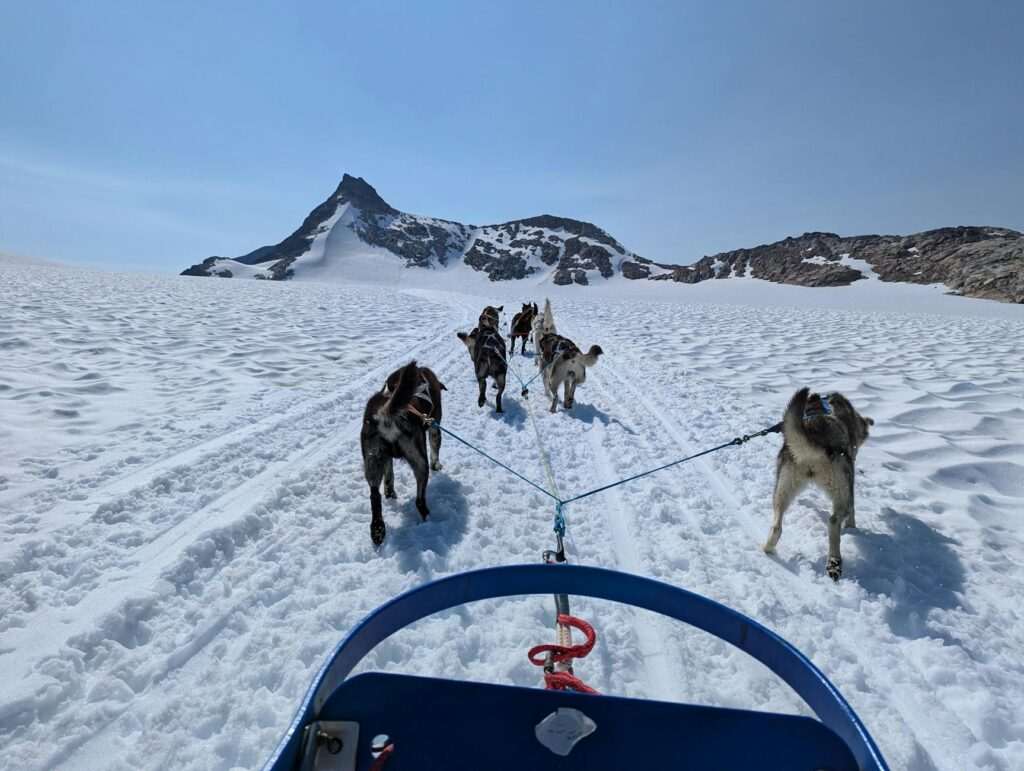
Dog mushing is Alaska’s state sport, and Anchorage is where the world’s most famous sled dog race announces itself to the world every March. But dog sledding near Anchorage isn’t just a spectator event or a historical footnote — there are working kennels within an hour of the city where you can ride a dog sled, meet Iditarod-caliber huskies up close, and understand what it actually takes to run a team across 1,000 miles of Alaska wilderness. Here’s a practical guide to dog sledding and mushing experiences accessible from Anchorage in 2026, across every season.
Mushing in Alaska: A Brief History
Dog mushing in Alaska predates European contact. Indigenous Alaskan peoples used sled dogs for transportation across the Arctic for thousands of years — dogs were working animals critical to survival in an environment where wheeled vehicles weren’t usable for most of the year. The early 20th century brought competitive racing, and the All-Alaska Sweepstakes race (1908–1917) established the formal tradition of long-distance mushing competition.
The Iditarod Trail Sled Dog Race, first run in 1973 over the historic Iditarod Trail used by gold miners and mail carriers, transformed Alaska mushing into an international event. The race covers roughly 1,000 miles from Anchorage to Nome, following a route through remote Alaska wilderness that has no road access. Winning times now run around nine days; the fastest mushers travel nearly continuously, stopping only to rest their dogs as required by race rules. The Iditarod is the organizing event around which Anchorage’s entire mushing culture orbits.
Iditarod Ceremonial Start: Downtown Anchorage in March
The Iditarod ceremonial start takes place on the first Saturday of March on a packed snow trail through downtown Anchorage. The race doesn’t officially begin here — the competitive restart happens the following day in Willow, where the actual timing begins — but the ceremonial start is the public event, the one with sixty-plus teams running a four-mile urban course through crowds of tens of thousands of spectators lining the streets.
Watching the ceremonial start is free and requires no planning beyond showing up. The course runs through 4th Avenue and out toward the Coastal Trail, with the teams departing from a starting chute near 4th and D Street at roughly two-minute intervals from late morning through early afternoon. The experience of watching team after team of dogs leave the chute — vibrating with energy, often howling, clearly aware something significant is happening — is one of the most memorable things Anchorage offers. Dress for temperatures in the teens or low 20s°F, bring something warm to stand on, and arrive early for the best viewing position near the start.
Winter Dog Sled Tours Near Anchorage
Several kennels in the Matanuska-Susitna Valley and Knik area, about 45 minutes to an hour north of Anchorage, offer guided sled dog experiences through the winter season (roughly December through March). A typical tour runs 60 to 90 minutes and includes a safety briefing, time at the kennel to meet the dogs before the run, a sled ride through the trail network surrounding the kennel, and an opportunity to ask the musher questions during or after.
Guests ride in the sled basket — a wicker or fabric compartment at the front of the sled — while the guide mushes from the back. Most tours don’t require guests to operate the sled themselves, though some operations offer the option to ride the runners under supervision. The physical experience of being pulled through a spruce forest on fresh snow by a working dog team is genuinely distinct from any description of it.
The Alaska Mushing School, located near Wasilla, offers an unusually deep look into competitive mushing — not just a ride, but access to the training operation behind Iditarod-caliber teams. The school has produced champions, and tours here connect you with the serious working side of mushing rather than a purely tourist-facing experience. If you want to understand what it actually takes to train a competitive team, this is the right destination.
Glacier Dog Sledding: Helicopter Access to Year-Round Mushing
One of Alaska’s most memorable visitor experiences is helicopter-accessed glacier dog sledding — a helicopter flight to a high-elevation glacier where a kennel maintains a summer operation, followed by a dog sled run across the ice. The glaciers accessible from the Anchorage area (primarily in the Chugach and Knik Glacier zones) hold enough snow year-round to support sled dogs even in July.
Alaska Glacier Combination Tours packages glacier dog sledding into combination experiences that pair the helicopter flight, glacier time, and mushing into a single itinerary — appropriate for visitors who want to maximize the Alaska experience in a limited number of days. Alaska Helicopter Tours covers the aviation piece of these experiences, flying guests from the Anchorage or Palmer area to glacier landing zones where the dog operations set up seasonally.
Glacier dog sledding costs significantly more than ground-based tours — the helicopter access, glacier logistics, and seasonally positioned kennel operations all layer into the price. Expect to budget several hundred dollars per person for a quality glacier mushing experience. It’s the kind of thing visitors often describe as the single most memorable hour of an Alaska trip.
Summer Dog Cart Experiences: Year-Round Mushing
Dog sledding without snow is possible through dog cart and wheeled sled operations, which give the dogs the exercise and work they need through the summer months while letting guests experience the team dynamics without winter conditions. Go Dog Sled Alaska operates summer dryland dog sled tours in the Anchorage area — using wheeled rigs pulled by teams on groomed gravel or dirt tracks. The dogs are identical to winter racing dogs (Alaskan huskies, trained for distance), the experience of the team working in harness is the same, and the summer setting makes it accessible to visitors who aren’t in Alaska for winter.
Summer cart tours are particularly useful for families and visitors whose Alaska trip doesn’t include the window when snow is reliable (typically December through March). The dogs don’t particularly care about the season — they work enthusiastically regardless of the ground cover — and for many guests, getting up close with working sled dogs is the primary point of the experience anyway.
Meeting the Dogs: Huskies and Kennel Visits
Alaskan huskies — the breed that runs the Iditarod — are not a recognized kennel club breed but a mixed-breed working dog developed over generations for speed, endurance, and cold-weather performance. They’re typically smaller and leaner than Siberian huskies, with shorter coats and a more athletic build suited to sustained effort. Individual dogs vary significantly in appearance; what they share is a high energy level, a strong drive to work in harness, and a generally sociable temperament with people.
Most tour operators include unstructured time at the kennel before or after the sled ride. The dogs are kept in individual house-and-chain setups with access to an exercise yard, and meeting them on their home ground is different from encountering them in harness — the energy drops, the curiosity comes forward, and you get a sense of individual personality that the run doesn’t reveal. Sled dogs tend to be people-friendly; don’t be surprised if the dogs actively solicit attention from visitors.
What to Expect on a Dog Sled Tour
Duration: Most tours run 60–120 minutes from arrival to departure, including kennel time and the ride itself. The actual sled run is typically 20–45 minutes depending on the route and pace. Glacier tours run longer due to the helicopter component.
Cost range: Ground-based tours typically run $150–$300 per person. Helicopter-accessed glacier mushing runs $400–$700 or more depending on the operator and duration. Summer cart tours are generally at the lower end of the ground-based range.
Age and weight limits: Most operators accommodate children as young as 4–5 as basket riders with adult supervision. Solo operation of a sled typically requires being at least a teenager and meeting minimum weight requirements. Confirm specifics with your operator when booking — limits vary.
What to wear: Dress significantly warmer than you think you need to for winter tours. You’ll be sitting or standing without generating body heat while the dogs run. Layered wool or synthetic base layers, insulating mid-layers, a wind-blocking outer shell, warm boots rated to at least -20°F, and face/hand protection are all appropriate. Most operators will tell you if you’re underdressed during the safety briefing — trust their judgment.
Best Times to Go Dog Sledding Near Anchorage
For traditional sled dog runs on snow, the reliable window is late December through early March. January and February typically have the most consistent snow cover and the coldest temperatures, which the dogs prefer for extended runs. March is the Iditarod month and the most culturally rich time to be in the mushing world, but trail conditions can soften toward the end of the month.
For glacier mushing, the season typically runs June through August — counterintuitively, this is also when the glacier kennel operations are at their most active, as the high visitor volume makes the helicopter logistics economically practical. Summer cart tours run May through September, with the dogs in lighter training loads compared to the winter competition preparation season.
Family-Friendly Options
Dog sledding is genuinely family-friendly for most age groups. Children tend to respond viscerally to the kennel environment — the energy of sixty or more working huskies at feeding time or before a run is impossible to be indifferent to — and the physical act of riding in a sled basket through a snowy forest at pace is thrilling without being dangerous. For very young children (under 4), check with operators about basket space and age minimums, as some tours require children to be able to sit unassisted.
Summer cart tours are often more family-friendly than winter tours in terms of logistics — no extreme cold gear requirements, easier access, and a more relaxed pace that allows more time with the dogs. For families visiting Anchorage in summer who want a dog sled experience, the summer operation through Go Dog Sled Alaska or similar operators is the practical path.
Iditarod Headquarters: Day Trip from Anchorage
The Iditarod Trail Headquarters in Wasilla, 45 minutes from downtown Anchorage on the Parks Highway, is the year-round home of the race organization and the best place to engage with Iditarod history outside of race weekend. The facility includes a museum with race memorabilia, historical exhibits, film screenings, and sled dog demonstration areas. Outside race season, handlers often have demonstration dog teams available for meet-and-greet interactions.
The headquarters is worth pairing with a Matanuska Valley day trip — Palmer’s downtown, the Matanuska Glacier overlook on the Glenn Highway, and the Iditarod HQ form a natural circuit that covers the most accessible combination of glacier scenery and Alaska culture north of Anchorage. It’s an easy day trip by rental car and doesn’t require the planning or cost of a guided tour to execute.
Booking Tips
- Reserve winter tours at least two weeks in advance. Kennel capacity is limited — most operations run small teams (6–12 guests per session) and book out quickly on weekends in January and February. Glacier tours during peak summer months can book out weeks ahead.
- Ask about group discounts. Most operators have pricing structures that improve for groups of four or more. If you’re visiting with family or friends, a group booking is worth pricing specifically.
- Confirm weather and trail policies. Responsible operators cancel or adjust runs during unsafe conditions — extreme cold, poor trail conditions, or high winds. Ask when booking what the cancellation policy is and whether you’ll have an alternative date option.
- Tip your musher. Sled dog guides work physically demanding seasons. A 15–20% tip is appropriate for a quality experience.
No comments yet.