Dog Mushing and Sled Dog Tours Near Anchorage 2026
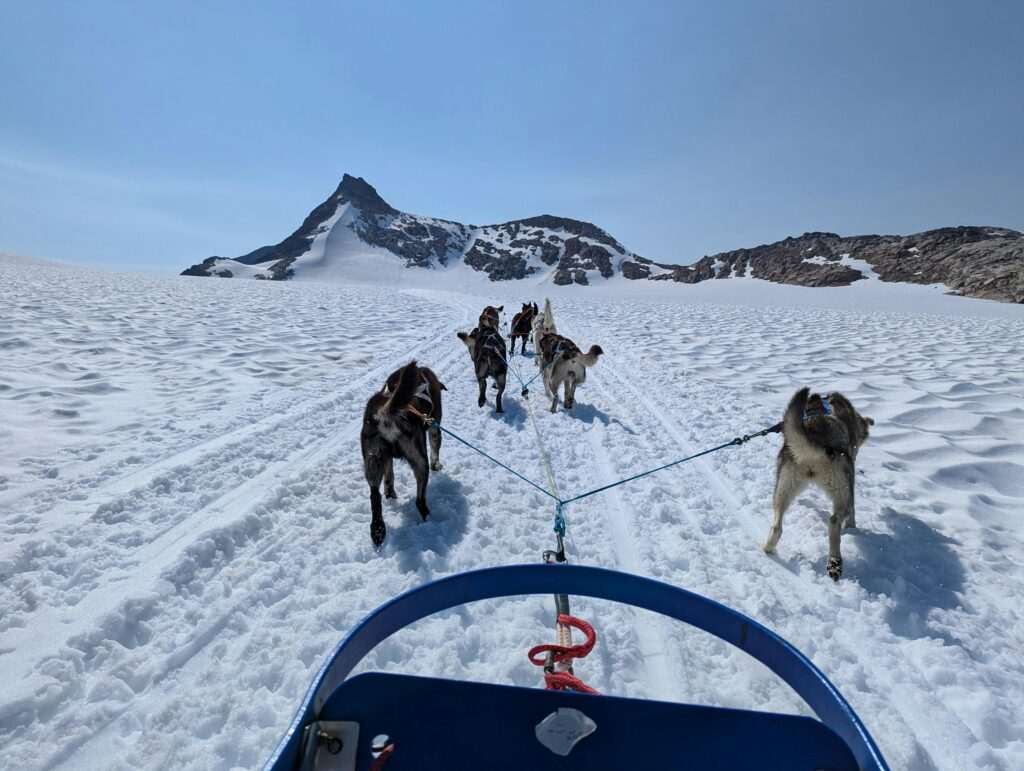
Dog mushing is Alaska’s official state sport, and the culture around it runs deeper than the Iditarod alone. Southcentral Alaska has a dense population of working kennels whose mushers train year-round — and many of those kennels offer visitor tours, sled rides, and meet-the-dogs experiences that give you genuine access to the sport rather than a staged performance. Whether you’re visiting in winter for a sled ride through the forest or in summer for a wheeled-cart demonstration, here’s what to know about dog mushing tours near Anchorage in 2026.
What to Expect on a Kennel Tour
A kennel tour near Anchorage typically runs 60 to 90 minutes and includes three components: a tour of the kennel facility (where the dogs live, how they’re fed, what their training schedule looks like), an introduction to the individual dogs (mushers know every dog’s personality, strength, and role on the team), and a ride. In winter that means a sled pulled by a trained team across snow; in summer it means a wheeled rig or cart pulled on a gravel track or grassy field.
The dogs are the highlight. Sled dog breeds — primarily Alaskan Huskies (a mixed working breed rather than an AKC registered breed), Siberian Huskies, and Alaskan Malamutes — are bred and trained to run. When they’re harnessed and the sled is ready, the energy is audible: the team screams to go. That moment, before the anchor lifts, is unlike anything you see at a zoo or a pet store.
Winter vs. Summer Tours
Winter Tours (November–March)
Snow-season tours are the real deal. The team runs on packed snow or groomed trails, and the sled moves fast — a six-dog team at speed covers ground quickly, and the forest at eye level looks completely different from a sled than from standing still. Most winter tours include 15–30 minutes of actual sled time per person or group, with a musher on the back of the sled running the team. Some operators allow experienced participants to stand on the runners themselves with guidance.
Best months: January and February offer the most reliable snow conditions and the longest running windows. December can be good but snowpack is less consistent. March is excellent if snow holds — the days are longer and the dogs are in peak fitness after months of training.
Summer Tours (May–September)
Summer tours use wheeled carts or four-wheelers instead of sleds. The experience is different — the speed is lower, the terrain is limited, and the “feel” of mushing is approximated rather than authentic — but the kennel tour and dog meeting components are identical year-round. For families traveling in summer, summer tours are a genuine and worthwhile way to meet the dogs and understand the sport, even without the snow.
Pricing Table — 2026 Estimates
| Tour Type | Season | Typical Cost | Duration |
|---|---|---|---|
| Kennel tour + sled ride | Winter | $100–$150/person | 90 min |
| Extended sled ride (private team) | Winter | $200–$350/person | 2–3 hours |
| Kennel tour + cart ride | Summer | $75–$120/person | 60–90 min |
| Anchorage package (transport + tour) | Winter/Summer | $180–$280/person | Half day |
| Private kennel experience (family/group) | Winter/Summer | $400–$600/group | 2 hours |
Prices vary by operator, group size, and season. Most kennels require advance booking — walk-up visits are rarely available in peak winter, when demand from visitors and race-training schedules keep calendars full.
Where the Kennels Are
Most working kennels offering tours are in the Matanuska-Susitna Valley — the Palmer, Wasilla, and Willow corridor along the Glenn and Parks Highways, 45–70 miles north of Anchorage. The Mat-Su Valley has more open land for running trails and lower costs than Anchorage proper, and it’s home to many of the mushers who run the Iditarod and Yukon Quest. Our Glenn Highway scenic drive guide covers the route to Palmer — a trip to a Mat-Su kennel works naturally as a day trip from Anchorage along one of the state’s most scenic drives. The drive also passes Lifetime Adventures at Eklutna Lake, where kayak and bike rentals make it easy to add a few hours on the water before or after the kennel visit.
A smaller number of operators are located in the Chugach foothills southeast of Anchorage, closer to the city but with less open trail terrain. These tend to offer shorter sled experiences but are easier to reach from a downtown hotel without a car.
The Iditarod Connection
The Iditarod Trail Sled Dog Race, held each March, starts in Anchorage with a ceremonial first run down Fourth Avenue before the official race begins in Willow the following day. If your trip falls in early March (the race start date varies annually — check iditarod.com), the Anchorage ceremonial start is free to watch and gives you a crowd-level view of race-day dogs and mushers without a ticket. Seeing a competitive Iditarod team at the start is a completely different scale than a kennel tour — the dogs are leaner, the equipment is more specialized, and the atmosphere carries 1,000-mile stakes.
Many kennel operators who run visitor tours also enter the Iditarod or train dogs for mushers who do. Asking your guide about their race history is a legitimate conversation — most mushers are happy to talk about their training programs, race records, and the dogs they’re most proud of.
What to Wear
Winter sled tours are cold. You’re standing still on a sled while moving — the wind chill from sled speed on top of ambient temperatures in January requires serious insulation. Most operators provide overalls or bibs and sometimes boots, but layering underneath matters. Powder Hound Ski & Bike Shop in Midtown Anchorage has base layers, insulated mid-layers, and cold-weather accessories for visitors who need gear before a kennel visit.
Summer tours are much more forgiving — standard outdoor clothing works. Bring layers regardless of the season; Alaska weather doesn’t hold steady even in July.
Booking Tips
- Book ahead — January and February fill weeks out. March around Iditarod start fills even faster. Summer is slightly easier to book but still worth reserving 48–72 hours in advance.
- Ask about group minimums — most operators need 2+ people to run a tour. Solo travelers can often join a group departure but should confirm availability when booking.
- Clarify what’s included — some tours include sled time, others are kennel-only with a cart demo. If a sled run is the main reason you’re going, confirm it explicitly.
- Weather cancellations — winter tours occasionally cancel in warm spells when snow conditions are too poor for safe sled operation. Reputable operators will reschedule or refund.
The Alaska Public Lands Information Center in downtown Anchorage stocks visitor materials and can point you toward currently active kennel tour operators. Current operators are also listable through the Mat-Su Visitors Bureau website for the valley kennels. And if you’re pairing a winter kennel tour with a night hoping to see the aurora, our northern lights near Anchorage guide covers dark-sky viewing locations and forecast resources so you can plan both in the same window.



No comments yet.