Camping Near Anchorage 2026: Best Campgrounds & Sites
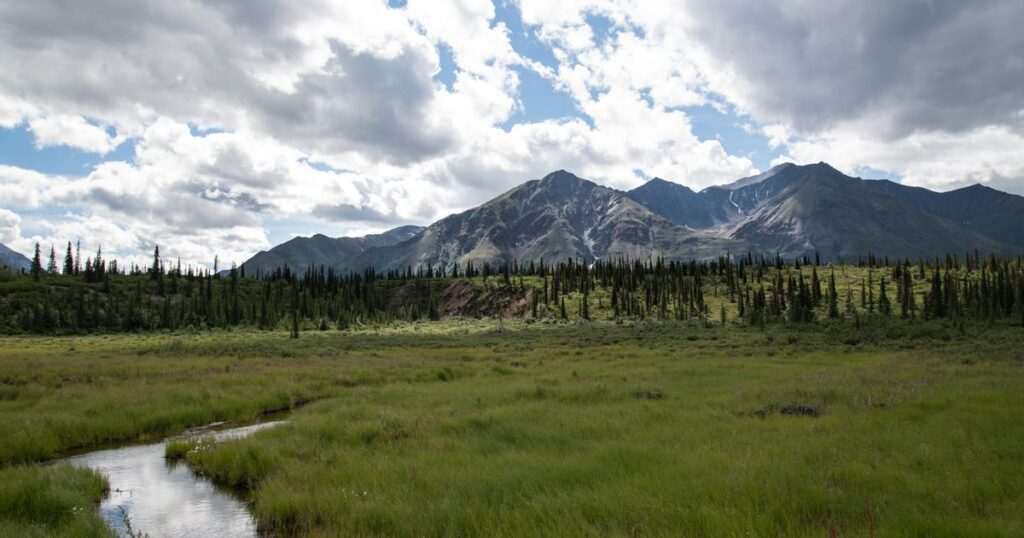
Anchorage sits at the edge of one of the largest state parks in the world. Chugach State Park covers nearly half a million acres, starts within 20 minutes of downtown, and contains more campsite options, backcountry routes, and tent-ready terrain than most visitors know what to do with. Add the Seward Highway corridor to the south and the Glenn Highway to the north, and you’ve got car camping, RV hookups, walk-in sites, and true backcountry wilderness all within easy reach. Here’s what you need to know about camping near Anchorage in 2026.
Bird Creek Campground — Seward Highway
Bird Creek Campground (Mile 101 on the Seward Highway, about 25 miles south of downtown) is the most accessible car campground from Anchorage and one of the most scenic. Sites sit just above the creek mouth where it flows into Turnagain Arm, with the Chugach Mountains rising directly behind the campground and the wide silty waters of the arm stretching west. In odd years, pink salmon run the creek in July and August — you can fish from within sight of your tent.
The campground has 28 sites with tent pads and fire rings; a handful offer electric hookups. There’s no dump station, so self-contained RVs are the move for hookup sites. Vault toilets and potable water are available. Bear activity is genuine here — bear boxes are mandatory at all sites and are provided. Don’t leave food in your vehicle; bears in the Turnagain Arm corridor associate cars with food and break windows.
Reservations are available through the Alaska State Parks reservation system (reserveamerica.com) for most sites; a few first-come sites are held walk-in. In summer, the campground fills on Friday nights — book Thursday at the latest or plan a Sunday arrival. The Seward Highway pullouts south of the campground offer bore tide viewing when the tidal timing works — the arm’s 35-foot tidal differential is one of the largest in North America.
Eklutna Lake Campground — Glenn Highway Corridor
Eklutna Lake is the largest lake in Chugach State Park, sitting about 26 miles northeast of Anchorage off the Glenn Highway. The campground at the lake’s eastern end has 50 sites ranging from primitive tent pads to walk-in sites adjacent to the lakeshore. The setting is exceptional: a long glacially carved lake backed by the Chugach Mountains, with clear water and a network of trails that fan out from the campground into serious alpine terrain.
The twin highlights here are water and mountain access. Lifetime Adventures at Eklutna Lake rents kayaks, canoes, and bikes from a concession at the trailhead, making it easy to spend a full day on the water without hauling your own gear. The Eklutna Lakeside Trail follows the south shore for 13 miles to a pair of backcountry public-use cabins at the far end — a two-day out-and-back with camping at the cabins (reservation required through Alaska State Parks). For sea kayaking options further afield, our sea kayaking near Anchorage guide covers the full range of options from Eklutna to the coast.
Brown bears are active at Eklutna Lake; bear spray is strongly recommended and bear boxes are provided at all campsites. A day-use parking fee applies ($5/vehicle); camping fees run $20–25/night depending on site type. Reservations via Alaska State Parks; first-come sites are available but disappear fast on weekends.
Eagle River Campground
Eagle River Campground sits inside Chugach State Park, accessible via the Eagle River Road exit about 12 miles northeast of downtown. It’s the most “city adjacent” camping in the park system — you’re 15 minutes from Anchorage grocery stores and restaurants, but the campground itself is in full spruce forest alongside the Eagle River. The 57 sites include pull-through options that fit large RVs, plus back-in tent sites and electric hookups.
The campground is the trailhead staging area for the South Fork Eagle River drainage, which leads into Chugach backcountry and eventually connects to the Crow Pass Trail and the historic Iditarod route. Day hikers fill the parking area from morning through afternoon; the campground itself quiets down after the day-use crowd leaves. The Eagle River Nature Center is a short drive further up the road and worth a stop for its interpretive exhibits and the Albert Loop Trail. Bear boxes are required, and black bears are regularly seen moving through the campground in August.
Chugach State Park Backcountry Camping
Chugach State Park allows dispersed backcountry camping throughout its 495,000 acres — no permit required, no designated sites in most of the wilderness area. The main rule is camping at least 100 feet from water sources and on durable surfaces (rock, gravel, snow) where possible. This is among the most accessible true wilderness camping in the country: you can park at the Glen Alps trailhead in Anchorage, hike two miles, and be in alpine terrain with no designated sites, no other campers, and the entire Chugach backcountry stretching ahead of you.
Popular backcountry zones include the Crow Pass corridor (a two-day route across the range, ending in Girdwood), the Indian Creek drainage, and the Ramp Lake area above Glen Alps. Most routes involve significant elevation gain — the Chugach peaks rise sharply from the city. A bear canister or properly hung food bag is essential; grizzly bears are present throughout the backcountry. For dedicated bear viewing opportunities alongside your backcountry camping, our bear viewing near Anchorage guide covers the full spectrum from roadside access to guided wilderness trips.
The Alaska Public Lands Information Center downtown has maps, current trail conditions, and staff who can answer specific questions about backcountry routes and bear activity before you head out. It’s a worthwhile stop before any overnight in Chugach.
Kenai Peninsula Campgrounds
The Kenai Peninsula, 2.5 hours south via the Seward Highway, expands the camping options considerably. Cooper Landing, at the confluence of the Kenai and Russian Rivers, has a cluster of Forest Service campgrounds that fill solid in salmon season — the Russian River Campground, Russian River Ferry Campground, and Quartz Creek Campground are all within range of the sockeye run and offer reservations through Recreation.gov. These campgrounds are legitimately crowded at peak: reservations open in March and popular dates sell out within hours.
Seward has several campgrounds within walking distance of town and the small boat harbor. The Resurrection River area and the Kenai Fjords National Park backcountry offer primitive camping for those willing to hike in. The Forest Service’s Kenai Peninsula campground system is extensive — there are dozens of sites along the Sterling Highway and Hope Road that don’t see the Russian River crowds but are still excellent. A $5–$20/night fee applies at most Kenai National Forest sites.
RV Camping Near Anchorage
For RV travelers, Anchorage proper has a few options outside the state park system. Golden Nugget RV Park is a well-maintained private park in East Anchorage with full hookups, laundry, and easy access to the road system. It’s popular with visitors who want Anchorage as a base without pitching a tent. Most visitors combining city time with day trips prefer a private RV park for the hookup convenience, then move to state park or Forest Service sites for nights deeper in the region.
Bear Safety and Food Storage Rules
Every campground near Anchorage has bears — both black bears and, in some areas, grizzlies. The rules aren’t optional and aren’t inconvenient; they’ve been designed around actual incidents. Key rules:
- Bear boxes at developed campgrounds — Alaska State Parks provides bear-resistant food lockers at all sites. Use them for everything with a scent: food, trash, sunscreen, toothpaste, cooking equipment.
- No food in tents — not granola bars, not trail mix, not anything. The tent is where you sleep; the bear box is where food goes.
- Hang or canister in the backcountry — Chugach backcountry has no bear boxes. Carry a bear canister or hang food properly (10 feet high, 4 feet from the trunk) at least 200 feet from your sleeping area.
- Bear spray — carry it accessible, not buried in your pack. Most bear encounters in Chugach State Park end without incident when the bear detects humans and leaves; bear spray is for the rare escalating encounter.
Reservations and Seasonal Access
Alaska State Parks campgrounds (Bird Creek, Eklutna Lake, Eagle River) book through the Alaska State Parks reservation system; search “Alaska State Parks reservations.” Most sites open May 1 and close mid-September, though Bear Creek and some year-round sites extend through October. Federal Forest Service sites on the Kenai Peninsula book through Recreation.gov.
The peak window is late June through August; July 4th weekend and the Kenai salmon weeks (mid-July through early August) are the hardest times to find availability without a reservation. Memorial Day weekend traditionally opens summer camping, but snow can still close higher-elevation access roads in May — call ahead before planning an Eklutna Lake trip in early May.



No comments yet.