
Biking & Cycling Near Anchorage 2026 — Trails, Rentals & Road Routes
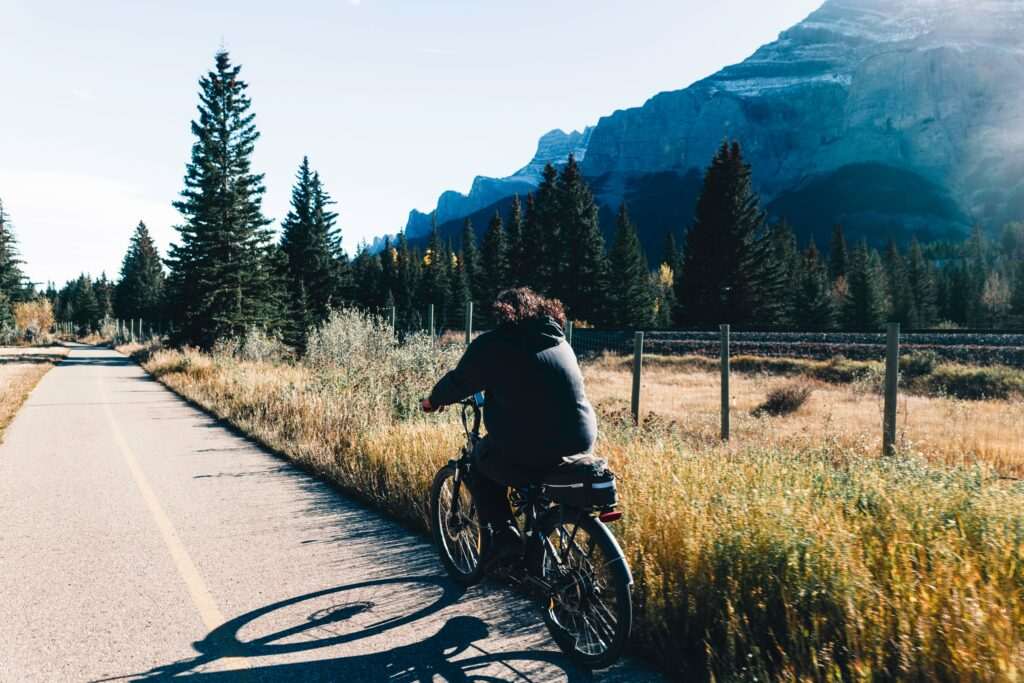
Anchorage has more paved trail miles per capita than almost any city in the United States — over 135 miles of maintained trails that connect neighborhoods, parks, and the city’s coastal edge without touching a road. Biking near Anchorage ranges from an easy family cruise along Cook Inlet on the Tony Knowles Coastal Trail to technical singletrack in Kincaid Park and the boreal forest of Far North Bicentennial Park. You don’t need to drive anywhere to find exceptional riding; most of it starts within blocks of downtown. Here’s what to know about every type of riding the Anchorage area offers in 2026.
Tony Knowles Coastal Trail — The Signature Anchorage Ride
The Tony Knowles Coastal Trail is the ride that defines cycling in Anchorage. Eleven miles of paved trail runs from downtown’s Elderberry Park along the Cook Inlet shoreline to Kincaid Park in the southwest, tracing the bluff edge with the inlet on one side and the Chugach Mountains as the eastern backdrop. It’s flat, wide, well-maintained, and safe enough for young children on bikes — which is why it functions as both the city’s premier recreational trail and a commuter corridor for a significant portion of Anchorage’s working population.
The inlet views change throughout the ride. The upper section near downtown passes close enough to the water that you can watch the tidal bore on days when it’s running. Beluga whales appear in the inlet in late summer and have been spotted from the trail at Westchester Lagoon, which sits midway along the route. Moose are common on the vegetated sections between the lagoon and Kincaid — it’s not unusual to find one standing in the trail. The full 11-mile one-way distance takes most recreational riders 45 minutes to an hour and a quarter depending on pace; most people do an out-and-back rather than a loop.
The Coastal Trail is accessible from several points including Elderberry Park downtown (next to the Oscar Anderson House), Westchester Lagoon, and the Kincaid Park chalet at the south end.
The Connected Trail Network
The Coastal Trail connects directly into Anchorage’s broader paved trail network, which covers the entire city and extends into the Chugach foothills. The Lanie Fleischer Chester Creek Trail runs east from Westchester Lagoon through midtown to connect with the Far North Bicentennial Park trail system — about 4 miles of paved trail through a forested greenbelt that feels genuinely removed from the surrounding neighborhoods. The Campbell Creek Trail adds another corridor through south Anchorage.
Together, these trails let you ride from the waterfront to the edge of Chugach State Park on connected pavement. The network is well-signed and the surface quality is generally excellent, with regular maintenance through the riding season. It’s the kind of infrastructure that makes car-free urban cycling practical rather than aspirational.
Kincaid Park — The Best Singletrack in the City
Kincaid Park sits at the southwestern end of the Coastal Trail and contains Anchorage’s best mountain bike trail system. The park covers 1,400 acres of coastal bluff forest with a network of cross-country ski trails that convert to mountain bike trails in summer — a mix of flowy singletrack, rooty forest sections, and open meadow routes that keeps the riding interesting across multiple visits. The terrain is intermediate-friendly: not highly technical, but enough trail variation to reward people who’ve moved past flat beginner loops.
The park’s trail system connects back to the Coastal Trail at the northern end, so you can ride in from downtown and start the singletrack loop without driving. The Kincaid Park chalet and parking area off Raspberry Road is the main mountain bike access point if you’re driving in directly. Moose density in Kincaid is high enough that encountering one in the trees is a regular occurrence rather than a lucky sighting — give them wide space and the same right-of-way you’d give any 1,000-pound animal you weren’t expecting.
Far North Bicentennial Park — The Best Backcountry Feel in Midtown
Far North Bicentennial Park is 4,000 acres of boreal forest singletrack in the middle of Anchorage, adjacent to the Chugach State Park boundary. The trail system offers mountain biking through dense spruce forest on routes that feel far more remote than their proximity to the city suggests — some sections give you the genuine experience of a wilderness ride while being 15 minutes from a coffee shop. The park connects to the Powerline Pass Trail corridor in the Chugach, which extends mountain biking into the foothills and beyond for riders who want more elevation and distance.
The BLM and Anchorage Parks system maintain most of the Far North trails. The terrain ranges from easy gravel doubletrack to narrow rooty singletrack; expect mud on lower trails after rain and in spring. The park is also used by equestrians and hikers, so shared-use trail courtesy matters more here than on the dedicated bike paths.
Mountain Biking in Chugach State Park
Chugach State Park extends mountain biking options well beyond the city trail network. The Powerline Trail — an 11-mile multi-use corridor running from the Glen Alps Trailhead through Indian Valley — is one of the most popular mountain bike routes in the state. It’s wide, well-graded, and accessible from most fitness levels for the first several miles, with the full route offering a genuine all-day effort for stronger riders. The trail gains moderate elevation through an alpine valley with the Chugach peaks rising on both sides; it’s the kind of scenery that makes biking in Anchorage feel categorically different from biking in most American cities.
Road Cycling — Routes and Cautions
Road cyclists use the Seward Highway south of Anchorage and the Glenn Highway toward Palmer, but both routes require caution. The Seward Highway has a wide shoulder through the Turnagain Arm section and carries real traffic at highway speed — it’s suitable for experienced road cyclists who are comfortable with vehicle proximity, but not for casual riders. The highway’s scenic value is exceptional: the Arm on one side, the Chugach cliffs on the other, with dramatic lighting in the evening hours that makes it popular with photographers and cyclists alike.
The Mat-Su Valley beyond the Knik Arm offers lower-traffic road cycling on the Glenn Highway frontage roads, particularly around Palmer and Wasilla. Flatter terrain and less traffic make this a more relaxed experience for road cycling than the Seward corridor.
Bike Rentals in Anchorage
Mad Moose Bikes is Anchorage’s dedicated cycling shop with bike rentals, repairs, and sales. They carry mountain bikes, city bikes, and e-bikes, making it the most direct option for visitors who need a rental for the Coastal Trail or want a higher-spec mountain bike for Kincaid. REI Anchorage also offers bike rentals alongside its full outdoor gear inventory — useful if you’re already renting or buying other gear and want to consolidate the transaction. Big Ray’s carries outdoor gear including cycling accessories and can point you toward current local conditions and trail recommendations. E-bike availability at rental shops has expanded significantly in 2025–2026; confirm availability when you book if an e-bike is a priority.
When to Ride and What to Bring
Season: The paved trail network is accessible May through September for most riders. The Coastal Trail and Chester Creek Trail are often rideable into October when conditions stay dry. The unpaved Kincaid and Far North trails can hold mud through May after snowmelt; expect the best conditions from mid-June through September. Some Anchorage cyclists ride year-round on fat bikes through winter, but that’s a separate category of dedication.
Wildlife awareness: Moose are the primary concern on all Anchorage trails, including the paved ones. They’re unpredictable, fast, and don’t respond to bells or approaching riders the way trail users might expect. Slow down and stop when you see one on or near the trail; wait for it to move rather than trying to pass close. Bears are less common on the paved trails but present on the Chugach and Far North routes; bell noise is useful in dense vegetation sections.
What to bring: A pump and tube for the Chugach or mountain bike routes; the paved city trails are low-risk for flats but far enough from a bike shop to make a spare tube worthwhile. Water, sunscreen (long Alaska summer days mean extended UV exposure), and layers for the Chugach routes where temperature drops with elevation.
How long is the Tony Knowles Coastal Trail in Anchorage?
The Tony Knowles Coastal Trail is 11 miles one-way from Elderberry Park downtown to Kincaid Park. Most cyclists do an out-and-back (22 miles round-trip) or ride one-way and return via the city’s connected paved trail network. The trail is paved, flat, and well-maintained — appropriate for all ages and fitness levels. It’s the most popular recreational cycling route in Alaska and can get crowded on summer weekend afternoons; early morning rides offer the best combination of light and trail space.
Where can I rent a bike in Anchorage?
Mad Moose Bikes is the primary bike rental option in Anchorage, with city bikes, mountain bikes, and e-bikes available by the hour or day. REI Anchorage also offers rentals. Book ahead for summer weekends when rental inventory at both shops runs low. Most rental shops can recommend current trail conditions and suggest routes based on your fitness level and time available.
Is mountain biking good near Anchorage?
Yes — Kincaid Park has an extensive singletrack network that’s the best mountain biking within the city limits, and Far North Bicentennial Park offers 4,000 acres of boreal forest trails with a genuine backcountry feel. For more elevation and distance, the Powerline Pass Trail in Chugach State Park is a multi-use corridor accessible to mountain bikes with excellent scenery. The riding season runs roughly June through September on unpaved trails; conditions vary significantly based on recent weather, and early spring trails are typically muddy.
Can families with young children bike the Coastal Trail?
Yes — the Tony Knowles Coastal Trail is one of the most family-friendly cycling routes in Alaska. It’s paved, flat, and runs 11 miles along Cook Inlet with views of the Chugach Mountains. Trail-a-bikes, tag-alongs, and cargo bikes work well on the surface. The main consideration is moose: slow down and stop if you encounter one, which happens regularly. The Westchester Lagoon section about halfway along is a good turnaround point for families with younger children — it’s about 3 miles from downtown and has restrooms and open lawn space.
Anchorage’s trail infrastructure rewards cyclists at every level — the Coastal Trail for families and casual riders, Kincaid and Far North Bicentennial for mountain bikers, and the Chugach Powerline corridor for people who want a serious all-day effort. The rental shops can get you on a bike within an hour of landing; the Coastal Trail is a 10-minute ride from downtown. Whatever brings you to Anchorage in summer, the bike trails are worth at least one morning of your itinerary.
Featured photo by Stephen Goldberg on Pexels.

No comments yet.