
Northern Lights Viewing Near Anchorage Alaska 2026 — Best Spots, Tours & Tips
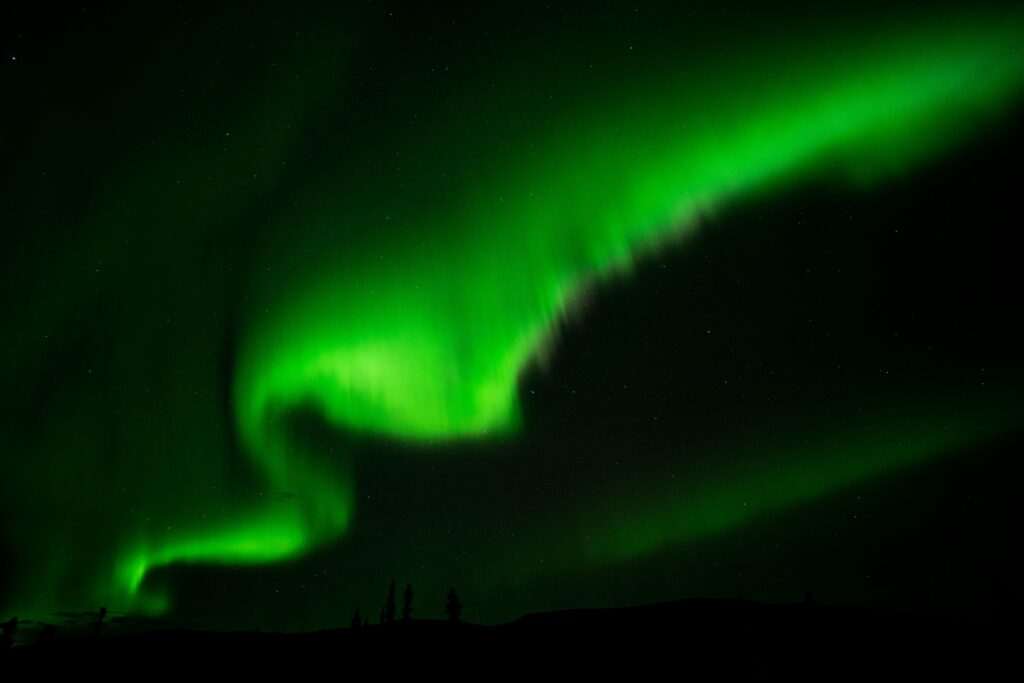
Anchorage sits at 61 degrees north latitude — directly beneath the auroral oval, the ring of maximum aurora activity that circles the Arctic. This isn’t incidental geography; it means Anchorage has more nights with potential northern lights activity than any city in the continental United States, and the surrounding terrain offers dark-sky access within an hour of downtown. The challenge isn’t finding the aurora — it’s knowing when to look and where to go to escape Anchorage’s city lights when the forecast is active. This guide covers the best viewing locations, seasonal timing, forecast tools, and what to expect from guided aurora tours near Anchorage in 2026.
Why Anchorage Is Positioned for Northern Lights
The auroral oval sits at roughly 65–70 degrees magnetic latitude, and Anchorage’s position at 61°N places it close enough that even moderate geomagnetic activity — a Kp index of 3 or 4 — can produce visible aurora when skies are clear and the moon is dark. During periods of high solar activity (the current solar cycle peaked in 2024–2025 and remains elevated), strong aurora events reach significantly further south, and Kp 5–7 events produce dramatic displays across the entire Anchorage region. The limiting factors are usually clouds and light pollution, not latitude. Alaska’s auroral season runs from roughly late August through late April — the months when nights are long enough and dark enough for aurora viewing.
Anchorage itself produces significant light pollution that washes out faint aurora displays visible at the city margins. A Kp index of 5 or higher can overcome city glow, but for anything below that, driving to darker ground produces dramatically better results. Fortunately, the road network around Anchorage provides access to genuinely dark sky within 30 to 90 minutes of downtown.
Best Viewing Locations Near Anchorage
Hatcher Pass
Hatcher Pass, about 60 miles north of Anchorage in the Talkeetna Mountains, is the premier dark-sky destination for aurora viewing within a reasonable drive of the city. The pass road climbs above the valley floor into open alpine terrain with panoramic northern horizons — the direction where aurora activity typically appears first. The area sits well north of the Palmer and Wasilla suburban light domes, and on clear nights with active Kp the display above the pass can be overwhelming. In winter, parking is available at the Gold Mint trailhead and the upper pass area near Independence Mine. Roads are plowed in the lower sections but can be icy; four-wheel drive or studded tires are practical from October through April.
Eagle River Nature Center
The Eagle River Nature Center in the Chugach foothills, about 20 miles from downtown Anchorage, provides a much closer dark-sky option for nights when forecasts show moderate activity. The valley road into the center narrows as you leave the Eagle River suburb and the light pollution drops substantially by the time you reach the parking area. The northern horizon from the center’s viewpoint is open, and the forested mountain backdrop creates a striking contrast against active aurora. This location works best for Kp 4–5 events when you don’t have time for the Hatcher Pass drive. Check the road conditions in winter — the upper section is unlit and can be icy.
Chugach State Park Hillside Viewpoints
The upper roads in Chugach State Park on Anchorage’s east hillside give quick elevation gain and a meaningful reduction in light pollution from the bowl of the city. The viewpoints off Upper Huffman Road and the trailheads at Glen Alps and Prospect Heights are familiar aurora-watching destinations for local residents — close enough for a quick trip when forecasts turn active at 10pm, high enough to see above some of the city glow. These locations work for strong aurora events (Kp 5+) but aren’t suitable for faint aurora given the city light background. The advantage is pure access: 20 minutes from midtown Anchorage, no highway driving required.
Talkeetna and the Mat-Su Valley
Talkeetna, about 115 miles north of Anchorage at the base of the Alaska Range, offers one of the best combination destinations for aurora viewing in Southcentral Alaska. The town sits beneath Denali and the surrounding peaks, light pollution is minimal, and accommodation is available year-round. Aurora hunters willing to make the drive (approximately two hours from Anchorage) gain substantially darker skies and a northern horizon unobstructed by the Chugach range. On active nights, reflections in the Susitna River and silhouettes of the Alaska Range against green and purple aurora make Talkeetna one of the most visually striking aurora destinations accessible by road from the city.
Aurora Forecast Tools
The University of Alaska Fairbanks Geophysical Institute publishes a three-day aurora forecast for Alaska that is the standard reference for planning viewing trips. The forecast rates activity on a scale of 0–9 and maps the expected southern boundary of visible aurora. For Anchorage-area viewing, activity levels of 3 or higher are worth monitoring from dark-sky locations; levels of 5 or above produce displays visible even in moderately light-polluted areas.
The NOAA Space Weather Prediction Center’s 30-minute aurora forecast provides near-real-time modeling of the auroral oval based on solar wind data, with roughly 30–45 minutes of advance warning before activity reaches Earth. Used together, the UAF three-day forecast handles trip planning and the NOAA real-time model handles execution decisions — whether to stay home or make the drive to Hatcher Pass tonight.
Aurora alert apps aggregate the same data from NOAA and the university sources and can push threshold notifications to your phone. Setting a Kp threshold alert based on your planned location is the most practical approach: Kp 3 for Hatcher Pass, Kp 4 for Eagle River, Kp 5 for Anchorage hillside viewpoints. The 1am wake-up call when an unexpected event fires is the main reason locals keep these apps installed year-round.
Guided Aurora Tours from Anchorage
Several Anchorage-based operators run guided northern lights tours from approximately September through March, transporting guests to pre-scouted dark-sky locations with hot beverages, real-time aurora forecast knowledge, and assistance for first-time viewers. Guided tours remove the logistics of driving unfamiliar roads in winter conditions at midnight and provide local knowledge about backup locations when primary spots have cloud cover.
Aurora tour packages from Anchorage typically run 3–5 hours starting after dark — usually 9pm or later in late fall and winter — and cost $80–$150 per person depending on group size and inclusions. Some operators provide hotel pickup; others meet guests at a central location. Booking in advance is advisable during peak winter months: Japanese and Korean visitors, for whom Alaska aurora viewing is a major travel category, fill available tours weeks out during January and February.
What a guided tour provides beyond transportation: an operator who monitors multiple forecast sources and makes the call on whether to chase aurora east toward the Matanuska Valley or north toward Hatcher Pass based on where the clouds are breaking. That real-time routing judgment is worth more on a typical overcast Alaska night than the vehicle and hot coffee combined.
Best Months and Seasonal Timing
The aurora season near Anchorage extends from late August through late April. September and October are statistically the strongest months — the autumnal equinox corresponds with peak geomagnetic activity in a well-documented phenomenon, and September typically produces the most frequent high-Kp events of the year in Alaska. Clear weather is also more common in September than in the midwinter months, which adds to its appeal for casual viewers.
November through February offers the longest nights — maximum darkness extending from 4pm to 8am in December — but Alaska’s maritime weather patterns produce more cloud cover in these months. March is an underrated aurora month, combining still-long nights with the improving weather patterns of early spring and reasonable road conditions. Late August aurora viewing is increasingly popular as summer visitors extend their trips to catch the first dark nights of the season.
Moon phase matters more than most visitors anticipate. A full moon washes out faint aurora displays the same way city lights do; new moon periods produce the best contrast and allow lower-activity events to become visible. Planning aurora viewing trips around new moon windows — and booking guided tours specifically on dark-sky nights — significantly improves the odds of a memorable experience over simply showing up in Alaska in winter and hoping for the best.
What to Wear and Bring
Aurora viewing means standing outside in Alaska darkness for extended periods — potentially hours — and the temperatures involved are not casual. At Hatcher Pass in January, ambient temperatures regularly drop below -10°F. Even at the Anchorage hillside viewpoints, winter nights consistently fall below 0°F with wind. Under-dressing for aurora viewing is the most common mistake visitors make, and it ends viewing sessions early.
The practical kit: insulated base layers, mid-layer fleece or down, wind-blocking outer shell, insulated waterproof pants, heavy winter boots rated to -20°F or lower, face covering, and hand warmers in addition to mittens. Standing still produces none of the body heat that active hiking does — dress as if you’re skiing slowly, not as if you’re moving continuously through the cold. A ground pad or insulated camp chair makes the often-extended wait between aurora bursts more comfortable than standing on frozen ground.
Headlamps with a red-light mode preserve night vision between aurora pulses. Snacks and a thermos of hot coffee or tea complete the practical kit. If you’re driving to remote locations for aurora viewing, carry basic winter emergency supplies — a sleeping bag, a shovel, jumper cables, and water — in case of breakdown on an unplowed road at 2am. This isn’t paranoia; it’s how Alaskans drive in winter.
When is the best time to see the northern lights near Anchorage?
September and October are statistically the strongest months for aurora activity near Anchorage, combining frequent high-Kp geomagnetic events with clearer weather than midwinter. The aurora season runs from late August through late April — any month with long, dark nights is viable. Plan trips around new moon phases for maximum contrast and check the University of Alaska Fairbanks three-day aurora forecast before committing to a dark-sky excursion.
Where is the best place to see the northern lights near Anchorage?
Hatcher Pass, about 60 miles north of Anchorage, provides the darkest sky and best northern horizon accessible by paved road. Eagle River Nature Center, 20 miles from downtown, is an excellent option for moderate Kp events (Kp 4–5) when you want closer access. The Chugach State Park hillside viewpoints work for strong aurora displays (Kp 5+) and offer the fastest access from the city — 20 minutes from midtown.
Do you need a guided tour to see the northern lights near Anchorage?
No — driving to Hatcher Pass or Eagle River is straightforward with a rental car and appropriate winter tires. Guided aurora tours are worth considering if you’re unfamiliar with Alaska winter driving, want help with photography or viewing, or want local knowledge about backup locations when cloud cover forces a route change. Guided tours also provide equipment and beverages that solo viewers have to supply themselves, which matters at midnight in January.
What Kp level do you need to see the aurora near Anchorage?
From Hatcher Pass or other dark-sky locations north of Anchorage, Kp 3 produces visible aurora on clear nights. From Eagle River Nature Center, Kp 4 is the practical threshold. From Anchorage proper or the hillside viewpoints in Chugach State Park, Kp 5 or higher is needed to overcome city light pollution. Set threshold alerts on aurora forecast apps based on your planned viewing location.
Northern lights viewing near Anchorage is one of the most accessible high-impact Alaska experiences — no floatplane required, no backcountry permit, just dark skies, cold temperatures, and the patience to wait on the right forecast. September at Hatcher Pass on a Kp 5 night with a dark moon: green curtains stretching from the Talkeetna Mountains to the zenith, occasional red and purple fringe above the active band, complete silence except for wind through the alpine vegetation. It’s worth the drive, worth the cold, and worth setting a 1am alarm when the aurora apps fire.
Featured photo by Jonas Robrecht on Pexels.
No comments yet.