
Pickleball in Anchorage 2026: Courts, Clubs, and How to Get Started
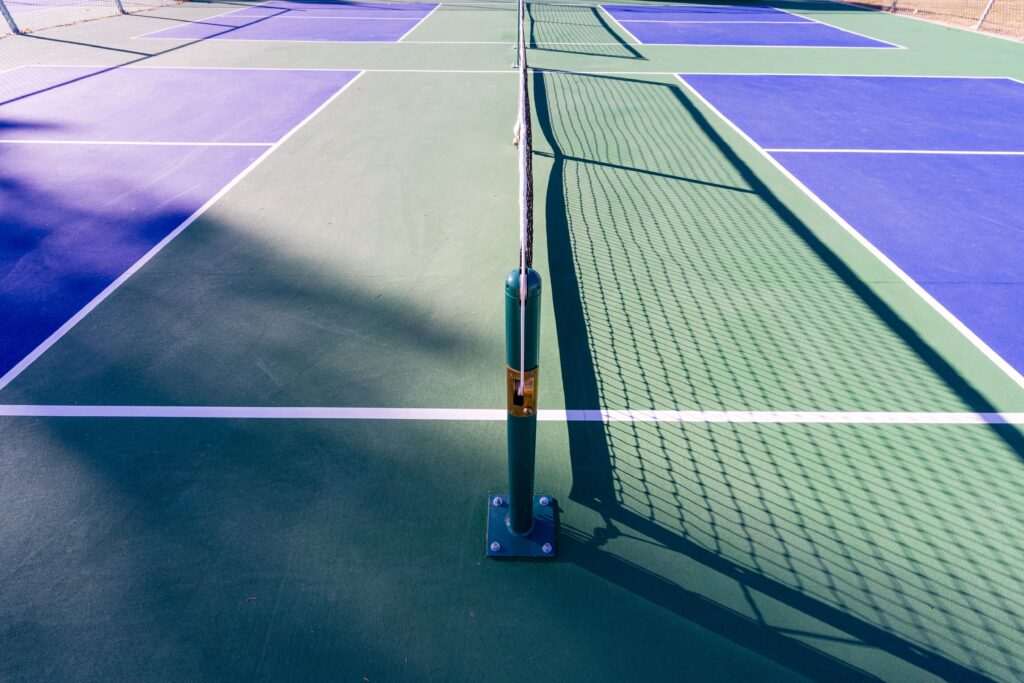
Pickleball has grown faster than almost any sport in the country over the last few years, and Anchorage has been no exception. You’ll find courts at city parks from June through September when the weather cooperates, and indoor options that keep the game going through the dark months. Whether you’re searching for pickleball courts in Anchorage for the first time or looking to plug into the local scene, this guide covers where to play, how to get started, and what to bring.
Where to Play: Outdoor Courts
Anchorage’s parks department has been expanding dedicated pickleball lines at several municipal parks as demand has grown. The most accessible outdoor option in the city is Goose Lake Park, where dedicated courts sit alongside the lake’s trails and beach area. The park draws a consistent pickleball crowd on summer evenings and weekend mornings, and open play is casual enough for beginners to jump in. Arrive early on weekend mornings if you want to secure a court without waiting.
Kincaid Park on the southwest side of the city has pickleball courts near the athletic fields — the same area used for disc golf and cross-country skiing in winter. Courts here tend to be less crowded on weekday mornings and offer a good backdrop if you want to extend a pickleball session into a longer outdoor afternoon. Kincaid’s location near the coast means you’ll occasionally deal with wind, which changes the game noticeably and is worth accounting for when you’re first learning.
The parks around Far North Bicentennial Park — Anchorage’s largest municipal park — include recreational facilities and paved surfaces throughout the complex. The surrounding neighborhood parks also have marked courts. If you’re exploring the Bicentennial Park area for the first time, it’s easy to pair a hike on Tank Trail with a pickleball session at one of the adjacent open spaces.
Outdoor courts are generally free and first-come, first-served. They run from roughly May through September, depending on weather. Early October games are possible in good years, but the courts can stay wet and slick after rain, and fall precipitation ends the outdoor season for most players.
Where to Play: Indoor Options
Anchorage’s winters are long, and serious pickleball players don’t stop when the courts freeze over. Alaska Club South is one of the city’s well-equipped fitness facilities with court space for racket sports and open court programming. Membership provides access to their full facility, and their staff can point you to current pickleball scheduling — open play times shift by season, so it’s worth calling ahead to confirm the current schedule before making the drive.
UAA’s sports complex and several community recreation facilities around Anchorage also run open gym and pickleball-specific sessions throughout the winter. Hours vary and some require a daily drop-in fee rather than membership. The Anchorage Pickleball Association (find them via a quick search or through Facebook groups) maintains an informal list of current open play locations, and the community is generally welcoming to newcomers asking where to show up.
School gyms through the parks department recreation program occasionally open for pickleball in the evenings during winter months. These tend to fill up quickly once word gets out, so joining a local group or the city’s recreation email list is the easiest way to stay current on new options.
Beginner Tips
Pickleball borrows from tennis, ping-pong, and badminton, but plays differently from all three. A few fundamentals will help you get more out of your first sessions:
- The kitchen rule: The non-volley zone (the 7-foot area on either side of the net, called the kitchen) is where most beginners trip up. You cannot volley — hit the ball out of the air — while standing in the kitchen. Stepping in to hit a ball that has already bounced is fine. This rule forces rallies and prevents net camping.
- Serve mechanics: Serves must be underhand, with the paddle below the wrist at contact, and hit diagonally cross-court. Both feet must stay behind the baseline during the serve.
- The two-bounce rule: After the serve, the return must bounce before the serving team can hit it, and the serve itself must bounce before the receiving team can return it. After those two bounces, volleying is open. This rule gives the rally a chance to develop and is what makes pickleball accessible at slower speeds.
- Scoring: Games are typically played to 11, win by 2. In doubles (the most common format), only the serving team can score. Keeping track of who’s serving takes a little practice at first.
The best way to get comfortable quickly is open play rather than drilling alone. Most Anchorage regulars are happy to explain rules or slow down for newcomers, and the sport has a reputation for being socially welcoming compared to tennis.
Gear Basics
Pickleball equipment is inexpensive to start with. A beginner paddle costs $30 to $60 and will last until you know whether you want to invest more. Avoid anything extremely cheap (under $20) — they tend to be too heavy and dampen the feel you need to develop control. Mid-weight paddles in the 7.5 to 8.5 oz range are a reliable starting point for most players.
The balls are different for indoor and outdoor play. Outdoor balls are harder with smaller holes and hold up to wind better. Indoor balls are lighter and quieter, and they behave more consistently on gym flooring. If you’re playing at an indoor facility, ask which ball is standard for that space — courts sometimes have loaners for open play.
Court shoes with lateral support matter more than most beginners expect. Running shoes work in a pinch but are designed for forward motion, not the sideways cuts and stops that pickleball requires. Any tennis or court shoe from a sporting goods store works well and will help your knees and ankles once you’re playing seriously.
Leagues and Community Play
The Anchorage pickleball community runs informal ladder play and organized leagues through the warmer months. Skill-level brackets range from beginner to competitive, and the social format of the sport means league play is more accessible than in sports where you need a specific partner or team commitment to join.
Tournament-level play does exist in Alaska — the state has seen increasing participation in USAPA-sanctioned events, with some Anchorage players traveling to tournaments in Fairbanks and the Mat-Su Valley. For most locals, though, the draw is the open-play community: show up, pick up a paddle, and be ready to rotate in.
Anchorage’s Outdoor Recreation Network
Pickleball fits into a broader outdoor recreation culture in Anchorage that’s easy to tap into during a visit. Westchester Lagoon in midtown is one of the city’s most-used outdoor spaces, connected to the Tony Knowles Coastal Trail and popular with cyclists, walkers, and in winter, skaters on the lagoon itself. The area is an easy stop before or after a pickleball session at Goose Lake or another midtown court, and it gives a good sense of how Anchorage residents use outdoor space across the summer season.
Anchorage’s municipal parks run structured recreation programs throughout the summer — tennis, basketball, disc golf, and cycling all operate on the same park infrastructure as pickleball. If you’re visiting and want to put together an active day that goes beyond the courts, the parks department seasonal program guide is the most comprehensive single source for what’s running and where.
Good For
- Beginners: Pickleball has the fastest learning curve of any racket sport. Most people can have fun rallying within their first session, which isn’t true of tennis or squash.
- Older adults: The smaller court, underhand serve, and slower ball speed (relative to tennis) make pickleball far more accessible for players who want competitive sport without the joint strain of a full tennis court.
- Groups and friends: Doubles is the standard format, and the social rotation of open play makes it easy to meet regulars and fill out a foursome even if you arrive alone.
- Visitors to Anchorage: Outdoor courts at Goose Lake Park and other municipal parks are free and open to the public. If you’re visiting during summer and want a local recreation experience, bringing a paddle is worth it.
- Fitness seekers: A singles or fast-paced doubles session is legitimately aerobic. The sport rewards agility and stamina, and the competitive element keeps people moving without it feeling like exercise.
Featured photo by Frank Schrader on Pexels.

No comments yet.