
One Day in Anchorage 2026: Perfect 24-Hour Itinerary
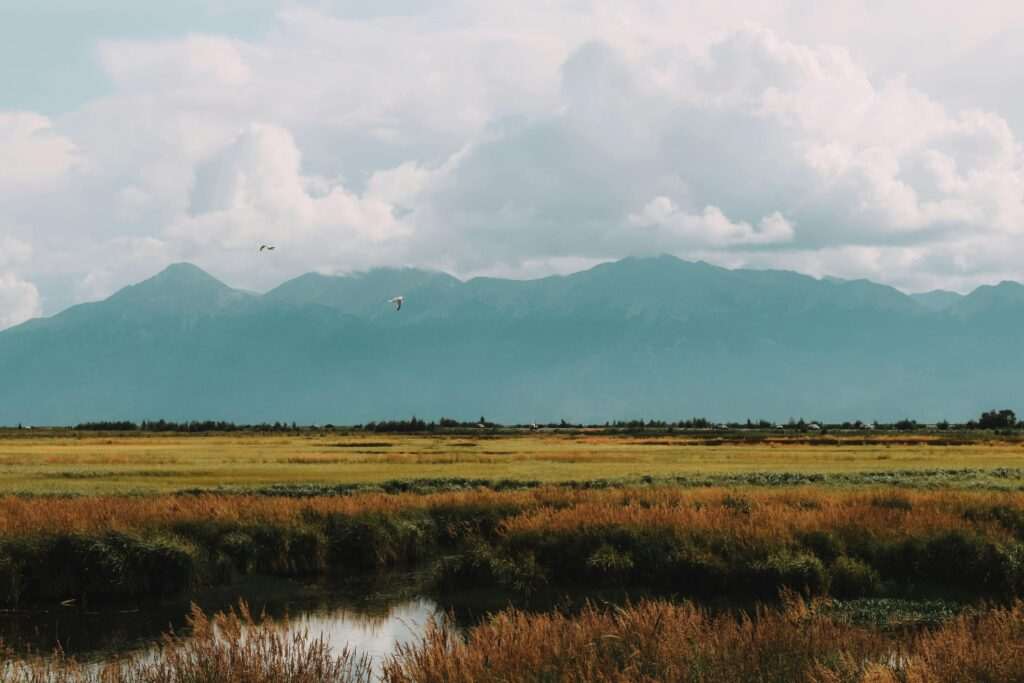
Anchorage rewards a focused day in ways that few cities of its size can match. Within a 30-minute radius of downtown, you can stand inside one of the country’s most comprehensive Native cultural institutions, walk a coastal trail where moose cross the path and the Alaska Range fills the western horizon, and eat halibut caught in the waters you’re looking at. The city is compact, the sights are genuine rather than manufactured, and the logistics are simpler than most visitors expect. Whether you’re a cruise passenger whose ship docks at Whittier and gives you the day, an air traveler with an extended layover, or someone passing through on the way to Denali or the Kenai Peninsula — one day in Anchorage, used well, produces memories that don’t feel like a consolation prize for not having a week.
A Note for Cruise Passengers
If your ship docks at Whittier — the standard port for Holland America, Princess, and Norwegian Alaska itineraries — Anchorage is accessible but requires planning. The Anton Anderson Memorial Tunnel connects Whittier to the road system; it runs on a convoy schedule, meaning vehicles can wait up to 30 minutes for the next convoy departure. The drive from Whittier to downtown Anchorage runs approximately one hour under normal traffic conditions. Build 90 minutes each way into your planning and confirm your ship’s all-aboard time before committing to activities with hard end times. Guided shore excursions from Whittier that include Anchorage stops handle the tunnel logistics for you; independent travelers should check the current tunnel schedule at the Alaska DOT website before arrival. The day described here is built for roughly eight hours of active time — enough for the full morning, afternoon, and evening program without pressure.
Morning: Alaska Native Heritage Center and Downtown Coffee
Start before the crowds with coffee. Snow City Cafe, on West 4th Avenue in downtown, is the local institution — generous plates, good espresso, and a dining room that fills fast on summer mornings. Kaladi Brothers, Alaska’s homegrown coffee chain, has a downtown location for a faster grab-and-go option. Either sets you up for the morning’s centerpiece: the Alaska Native Heritage Center on the northeast edge of the city, a 15-minute drive from downtown.
The Alaska Native Heritage Center is Alaska’s premier institution for understanding the cultures of the state’s 11 distinct Native groups. It is not a static museum — the center operates as a living campus, with Native demonstrators explaining traditional practices, performing artists, and outdoor village sites representing traditional dwelling styles from across the state. A full visit runs two to three hours and rewards the time with a depth of understanding about the cultures that shaped Alaska long before its statehood. The indoor exhibits cover history, language, and material culture; the outdoor trail connects reconstructed structures including a Yup’ik sod house, an Athabascan birchbark dwelling, and a Southeast Alaska clan house. Plan to arrive by 9 AM to have the full morning available.
For visitors who prefer to start outdoors before the city warms up, the alternative morning option is Flattop Mountain — a 30-minute drive to the trailhead in Chugach State Park, followed by a 1.5-hour round-trip hike to the most-climbed peak in Alaska. The summit at 3,510 feet delivers a panoramic view of Anchorage, Cook Inlet, and the Alaska Range on clear days. The trailhead is accessible without a permit; go early to secure parking.
Midday: Downtown Lunch and the Anchorage Museum
Return downtown by noon and eat somewhere that reflects what Anchorage does well: fresh Alaska seafood, honestly prepared. Glacier Brewhouse on West 5th Avenue combines a serious beer program with a kitchen that sources local halibut, salmon, and king crab and handles them without overcomplication. The wood-fired rotisserie and the brewery visible through the dining room glass are the visual identity of the place; the food stands up independently. Simon & Seafort’s on L Street offers more formal Alaska seafood dining with Cook Inlet views and a wine list calibrated for the occasion. Both work for a midday meal before an afternoon of walking.
After lunch, walk three blocks to the Anchorage Museum at Rasmuson Center — the largest museum in Alaska and one of the most thoughtfully designed in the Northwest. The Alaska Gallery traces 10,000 years of human presence in Alaska through a chronological walk from prehistoric tools to the pipeline era. The Smithsonian Arctic Studies Center occupies a dedicated floor and holds one of the most significant collections of Alaska Native objects in existence, presented in collaboration with the communities that created them. The Art of the North galleries hold historical and contemporary Alaska art. A focused visit covers the highlights in 90 minutes; the museum’s depth rewards more time if you have it. Allow until 3 PM and you’ll have seen the essentials without rushing.
Afternoon: Tony Knowles Coastal Trail
The Tony Knowles Coastal Trail begins at Elderberry Park, a five-minute walk from the museum. The paved path runs 11 miles along the shore of Cook Inlet from downtown to Kincaid Park; for a single-day visitor, the two-mile section from Elderberry Park south to Westchester Lagoon covers the most scenic ground and returns you to your starting point without requiring a car at the far end.
Walk the first mile south along the inlet bluff, where the views open across the flat grey water to the Alaska Range — Denali visible on clear days, the volcanic peaks of the Alaska Peninsula extending south. The trail drops to the lagoon level at Westchester, where moose are a realistic possibility year-round: the lagoon’s edge vegetation and the trail’s corridor through the park create the kind of habitat moose exploit as a matter of routine. In June and July, shorebirds use the mudflats on Cook Inlet at low tide; beluga whales are occasionally sighted from the bluff sections during their summer forays into the inlet. Walk the lagoon perimeter and return to Elderberry by 5 PM — you’ve covered about four miles with minimal elevation change and seen the slice of Anchorage that most defines the city’s relationship to its landscape.
Earthquake Park, a short drive west from the coastal trail near the end of the Kincaid corridor, preserves the terrain disrupted by the 1964 Good Friday Earthquake — the most powerful recorded earthquake in North American history at magnitude 9.2. Interpretive signage explains how the earthquake reshuffled the landscape; the ground itself still shows the subsidence and tilting that 60-plus years of vegetation haven’t fully concealed. It’s a 20-minute detour that adds historical weight to a city that’s easy to experience only as a nature destination without understanding the geology beneath it.
If your visit falls on a Saturday or Sunday between May and September, the downtown Saturday Market operates at 3rd Avenue and E Street from 10 AM to 6 PM. The market is the place in Anchorage for authentic Alaska Native art and crafts — beadwork, carved antler pieces, ulu knives, and woven items made by the artists selling them. It is also the best place in the city for a reindeer sausage, which is exactly what it sounds like and worth having.
Evening: Dinner and Ship Creek
Anchorage has enough dining variety that evening meal choices depend on priorities. Moose’s Tooth Pizza, a mile east of downtown, is the city’s most celebrated local business — a brewery and pizza operation that has won best pizza awards with enough regularity to make the ranking meaningless. The lines can be long; arrive before 6 PM or expect a wait. For a shorter walk from downtown and a more casual meal, Kaladi Brothers’ food operations and several small downtown spots cover the dinner hour without the Moose’s Tooth pilgrimage. For a sit-down Alaska seafood dinner, Simon & Seafort’s handles an evening reservation as well as it handles a midday visit.
After dinner, if your timeline permits, walk to Ship Creek — a ten-minute walk north from downtown through the rail yards to the creek weir. In late May and June, king salmon stage in the pool below the weir before continuing their run upstream, and the fishing pressure from the city’s resident anglers makes the scene genuinely surreal: office workers in waders, casting for 30-pound salmon in the shadow of downtown office buildings, at 9 PM in full summer light. Even without fishing, the weir viewing platform makes the salmon visible from above during peak run timing, and watching a 20-pound king make its run past the platform is an Alaska experience that requires no gear and no planning beyond showing up.
Practical Notes
Downtown Anchorage is walkable in a way most Alaska cities are not. The museum, the coastal trail trailhead, the Saturday Market, and Ship Creek are all reachable on foot from a central downtown hotel. A rental bike extends your range to the full coastal trail without adding driving complexity. Rideshare services operate in Anchorage and cover the Alaska Native Heritage Center distance easily if you prefer not to drive.
Bear spray is advisable for Flattop Mountain and the outer Chugach trails; the coastal trail through the park corridor also warrants carrying it if you’re walking the full stretch toward Kincaid. Purchase bear spray after arrival — it cannot travel in airline baggage — at REI on Northern Lights Boulevard or any outdoor gear retailer in the city. Budget $40 to $50.
For souvenirs, the Saturday Market is the most reliable source for Alaska-made items with authentic provenance. Airport gift shops sell Alaska-branded products; not all are Alaska-made or Alaska Native-made. Ulu Factory on Ship Creek Avenue near the waterfront sells ulu knives and bowls produced in Anchorage and makes for a quick stop if shopping is on the agenda.
The single biggest variable for a Whittier cruise passenger is weather — Anchorage summer days range from 75°F and sunny to 50°F and raining within the same week. Dress in layers regardless of the morning forecast, and carry the rain jacket you brought for Alaska even if it’s not raining when you leave the ship. The day described here works in either condition; the coastal trail is pleasant in light rain, and the museum and Alaska Native Heritage Center are fully indoor when the weather closes in. One focused day in Anchorage, however the weather cooperates, leaves you with enough to talk about at dinner tomorrow.


No comments yet.