
Kenai Fjords Boat Tour Guide 2026: What to Book, Wildlife to Expect & Tips from Seward
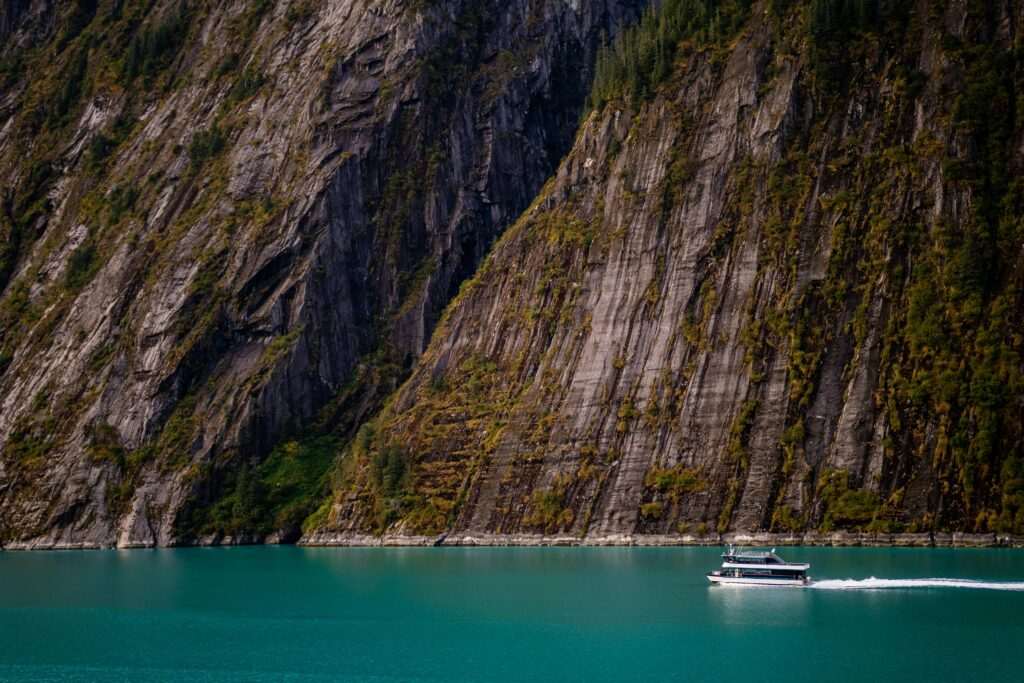
Kenai Fjords National Park exists at the meeting point of ice and ocean. Covering 669,000 acres of glacier-carved coastline south of Seward, the park is home to dozens of tidewater glaciers that calve directly into the sea, one of the most productive marine ecosystems in the North Pacific, and wildlife in quantities that still surprise visitors who have been to Alaska before. The catch: you cannot see most of it without a boat. The park’s road access ends at Exit Glacier near Seward. Everything beyond — the fjords, the calving glaciers, the orca pods — requires getting on the water.
This guide walks through everything you need to know before booking a Kenai Fjords boat tour: the operators, the tour types, what wildlife to expect, how to handle seasickness, and how to work the trip into a day or overnight from Anchorage.
Getting to Seward from Anchorage
Seward sits about 127 miles south of Anchorage via the Seward Highway — a two-and-a-half hour drive that is itself one of Alaska’s great scenic routes. The highway follows Turnagain Arm, passes through the Chugach and Kenai mountains, and descends into Resurrection Bay just before town. In summer, allow extra time for wildlife pullouts and the occasional traffic delay near Portage.
The Alaska Railroad‘s Coastal Classic service connects Anchorage and Seward with a scenic 4.5-hour run along the same route, operating daily in summer. This is a particularly good option for visitors who want to sleep or drink coffee while someone else navigates the passes. The train departs Anchorage in the morning and arrives in time to catch afternoon boat tours; it returns in the evening. Reservations are required and book quickly in July and August.
Seward is a small town; park at or near the Small Boat Harbor, where most tour operators stage their vessels. The harbor area has restaurants, outfitters, and the Alaska SeaLife Center for the hours before or after your tour.
Tour Types: Choosing What’s Right for You
Most operators offer two primary tour formats, with some variations in between.
Half-Day Tour (3–4 Hours): Resurrection Bay
The half-day format stays within Resurrection Bay rather than heading into the open fjords. You’ll see a rich sample of the wildlife that makes the area famous: sea otters floating on their backs in kelp beds, Steller sea lions hauled out on rocky islets, harbor seals resting on ice chunks, and seabirds in extraordinary numbers — puffins, murres, kittiwakes, and cormorants nesting on sheer cliff faces.
The trade-off is clear: half-day tours do not reach the tidewater glaciers. If seeing ice is on your list — and for most Alaska visitors it is — you need the full-day format. The half-day option works well as a budget alternative, as a fallback when weather makes the outer fjords rough, or as an add-on when you’ve already seen glaciers elsewhere in your trip. It is also the right call for passengers who are prone to seasickness, since Resurrection Bay is significantly calmer than the open ocean beyond.
Full-Day Northwestern Fjords Tour (8–9 Hours): The Definitive Experience
The full-day Northwestern Fjords tour is the flagship experience and the one most visitors remember for the rest of their lives. After leaving Resurrection Bay, the boat heads into the open Gulf of Alaska and turns west toward the outer fjords. The sea state here depends on conditions; swells of 3 to 6 feet are normal in the outer fjords and some passengers feel the motion.
The destination is a chain of tidewater glaciers — active rivers of ice that flow from the Harding Icefield directly into the sea. Aialik Glacier is the most dramatic: a mile-wide wall of blue-and-white ice that periodically fractures and crashes into the water in events called calving. The sound arrives seconds after the visual — a deep crack followed by the roar of thousands of tons of ice hitting the ocean. Watching this happen from 300 yards away is one of the genuinely overwhelming natural experiences accessible by day trip from a major city.
Humpback whales are common in the outer fjords throughout summer, feeding on the dense schools of herring and capelin concentrated there. Orca pods — often the transient type that hunts marine mammals — appear regularly. Dall’s porpoise frequently bow-ride the boat. The combination of glaciers, open ocean, and whale sightings in a single day is difficult to replicate anywhere else in accessible Alaska.
Fox Island Lunch Cruise
Some operators include a lunch stop at Fox Island in Resurrection Bay. The island has a lodge, and the meal gives passengers a chance to stretch their legs and warm up before the return leg. This option suits travelers who want the full-day experience with a comfort break built in. It adds some time to the overall excursion but is generally worth it for those doing the full Northwestern Fjords route.
Tour Operators
Kenai Fjords Tours is the primary concession operator authorized to run tours within Kenai Fjords National Park and is the largest operator by vessel size and tour frequency. Resurrection Bay Wildlife Cruises, Seward Ocean Excursions, and other independent operators also run competitive routes from the Small Boat Harbor. Before booking, compare departure times, included stops, vessel size (larger boats are more stable in swells), and what wildlife spotting policies each operator follows. Verify current operators and schedules directly before your trip — operator lineups change between seasons.
Book 2 to 4 weeks in advance for summer weekend slots. All-day Northwestern Fjords tours sell out fastest, often weeks ahead of major July weekends. Midweek slots have more availability, and the weather is statistically no worse than weekends. Morning departures generally encounter calmer seas than afternoon runs.
Wildlife You’re Likely to See
Kenai Fjords consistently delivers some of the highest wildlife encounter rates of any boat tour in Alaska. Expect to see most of the following on a full-day tour:
- Humpback whales — feeding in the fjords July through September; breaching and fluke-diving behavior common
- Orca (killer whales) — transient pods hunting marine mammals; sightings most common in the outer fjords
- Sea otters — abundant in Resurrection Bay, often in rafts of dozens; entertaining and photogenic
- Steller sea lions — hauled out on rocks throughout the bay; massive animals up close
- Harbor seals — frequently resting on floating ice near glaciers
- Dall’s porpoise — fast, often bow-ride the boat
- Horned and tufted puffins — nesting in cliffsides; distinctive and memorable
- Bald eagles — nesting in the bay, easily visible from the water
- Black bears — occasionally visible on shorelines foraging for shellfish
Operators do not guarantee specific wildlife sightings, but the outer fjords tours have an excellent track record for whales. If you go home without seeing a humpback, you will be among the minority.
Managing Seasickness
The open ocean portion of the full-day tour is the most common point of discomfort for passengers not accustomed to sea motion. The Northwestern Fjords route crosses open-water Gulf of Alaska swells, and on rougher days the boat moves significantly. Take seasickness medication — Dramamine, Bonine, or a prescription scopolamine patch — the night before your tour, not the morning of. By the time symptoms appear, oral medication is often too late to provide full relief.
Other practical steps: eat a light breakfast rather than nothing (an empty stomach is worse), stay on the main deck amidships in the fresh air rather than in the enclosed cabin, look at the horizon rather than down at the water, and stay hydrated. Ginger chews help some people. The return journey from the outer fjords typically runs with the swell rather than against it, which many passengers find more comfortable.
Adding Exit Glacier
Kenai Fjords National Park also includes Exit Glacier near Seward — one of the few glaciers in Alaska accessible by a short walk from a parking lot. The easy 0.8-mile round-trip Outwash Plain trail leads to the glacier’s base; the Overlook Loop climbs 650 feet to a mid-glacier view. Unlike the tidewater glaciers visible only from the boat, Exit Glacier is free to visit and requires no booking. It makes an ideal first stop before driving to the harbor for an afternoon departure, or a final stop after a morning tour returns.
The glacier’s retreat markers — posts showing where the ice stood in 1951, 1961, 1971, and so on — make the pace of change visible in a way that data alone doesn’t communicate.
Practical Planning Notes
Clothing: Even in July, the boat is cold. Bring a heavy fleece and a windproof outer layer regardless of the Seward forecast. The temperature on the water near calving glaciers drops noticeably, and spray from the bow adds wind chill. Waterproof pants are optional but appreciated. The boat’s enclosed cabin is heated and available throughout the tour.
Camera gear: A telephoto lens (200mm or longer) is strongly recommended for wildlife shots from the moving boat. Keep camera equipment in a dry bag when not in use — spray on the outer deck is common. If you shoot in a case that isn’t waterproof, keep a lens cloth accessible.
Cancellations: Tours run in moderate rain — Seward averages 67 inches of precipitation per year and operators are accustomed to wet conditions. High winds or dangerous seas cause rare cancellations; operators typically rebook passengers on the next available date or issue refunds according to their cancellation policy. Confirm the policy at booking.
Overnight option: Seward has good hotel and B&B accommodation for visitors who want to stay overnight and take a morning tour before returning to Anchorage. The harbor area is walkable and has good seafood restaurants. Spending the night removes the time pressure of the 2.5-hour return drive and lets you take the earliest departures, which often have the calmest water.
Why This Tour Is Worth Building Your Day Around
A full-day Kenai Fjords boat tour is among the most concentrated wildlife experiences available in the United States. In a single day from Anchorage, you can see calving tidewater glaciers, feeding humpback whales, orca, puffins, sea otters, and harbor seals — all within a national park. Most Alaska visitors rank this among the top three experiences of their entire trip, alongside Denali and the northern lights.
Book the full Northwestern Fjords tour, take your Dramamine the night before, bring your warmest layer and a telephoto lens, and leave Anchorage early enough to catch a morning departure. Everything else will handle itself.
What a Typical Full-Day Tour Day Looks Like
Most full-day Northwestern Fjords tours depart Seward Small Boat Harbor between 9 and 11 a.m. The first hour is spent crossing Resurrection Bay, where the crew typically spots sea otters and harbor seals and points out bald eagle nests in the cliff faces. As the boat clears the bay entrance and enters the Gulf of Alaska, the sea state changes — swells arrive and the boat begins its characteristic ocean motion.
The outer fjords are reached roughly 2 to 2.5 hours from departure. The boat spends the heart of the day moving between glaciers and wildlife hotspots, with the crew watching for whale blow and announcing sightings. Captains will maneuver close to active calving fronts when conditions allow. Passengers rotate between the outdoor deck for wildlife watching and photography, and the heated indoor cabin for warming up.
The return journey retraces the route through the outer fjords and back across Resurrection Bay, arriving at the harbor in late afternoon — typically between 5 and 7 p.m. depending on the operator. If you drove from Anchorage, this leaves enough time to stop for dinner in Seward before the return drive. Plan to be back in Anchorage by 10 p.m. on a standard full-day schedule, later if you linger over dinner or encounter heavy Seward Highway traffic during summer evenings.
No comments yet.