
Anchorage Food Tours 2026: Culinary Walking Tours, Local Tastings & Where to Eat Like an Alaskan
An Anchorage food tour doesn’t look like what you’d find in New Orleans or Portland. There’s no packed walking group sampling from ten different restaurants on a three-hour route. What there is — and it’s genuinely worth your time — is a city with uncommon access to wild-caught seafood, a Saturday market that runs from May to September, a handful of neighborhood farmers markets selling produce grown at Alaska’s latitude, and restaurants that have quietly built strong local-sourcing programs because the supply chain demands it. If you’re willing to put together a self-guided food tour rather than wait for an operator to hand you one, Anchorage rewards it.
What Makes Anchorage’s Food Scene Worth Exploring
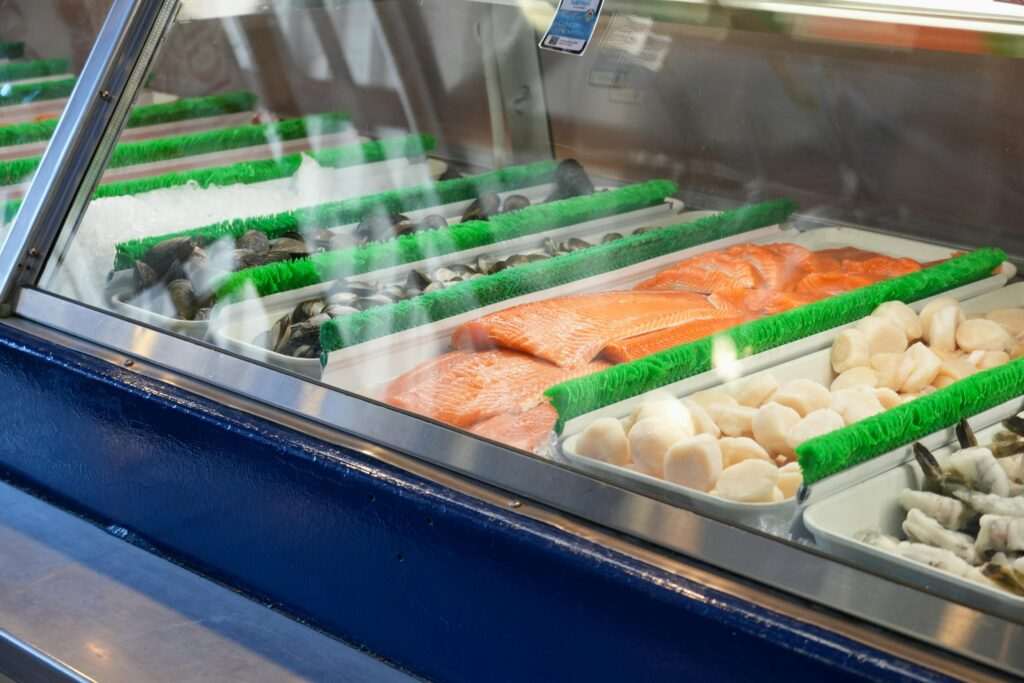
The short answer is geography. Anchorage sits at the center of one of the most productive food-producing landscapes in North America — Cook Inlet supports wild salmon runs, the surrounding waters yield king crab, halibut, and Dungeness crab, and the Matanuska-Susitna Valley to the north has some of the most productive farmland in Alaska, where long summer daylight produces outsized vegetables and strong harvest yields. Alaskans talk about “eating local” differently than food tourists in other cities — locally caught king salmon isn’t a premium restaurant concept here, it’s a normal thing to buy at a seafood shop and cook at home.
The ingredients that make Anchorage food interesting are also the ones that don’t travel well: fresh halibut the day it comes off the boat, wild blueberries picked above treeline, birch syrup harvested in small quantities from Alaska birch forests, reindeer sausage from animals raised in the Interior. None of this is common outside Alaska. A deliberate food tour of Anchorage is really a tour of things you can’t eat anywhere else.
Guided Anchorage Food Tours: What’s Available
Formal guided food tours — the kind with a host, a set route, and stops at five or six restaurants — are limited in Anchorage relative to the city’s size. The market for culinary tourism here hasn’t developed the same infrastructure as coastal food cities, and small operators emerge and disappear seasonally. The best approach for 2026 is to check with the Anchorage Log Cabin Visitor Information Center on 4th Avenue when you arrive — they maintain current listings of active tour operators, and the guided food tour market fluctuates enough that a static list goes stale quickly.
What you will find are meal-inclusive wilderness experiences from outdoor tour operators — float plane trips that include an Alaska dinner, guided fishing excursions with a fish-cleaning and cooking component, or day trips that fold a meal into a larger adventure. These aren’t food tours per se, but they deliver an Alaska eating experience that no dedicated restaurant visit can replicate. Ask about meal-inclusive options when booking any multi-hour outdoor excursion.
For more structured culinary education, Glacier Brewhouse occasionally runs behind-the-scenes brewing and kitchen events that pair food with the brewing program in a way that’s closer to a tasting experience than a standard dinner service — worth checking their event calendar if that format appeals to you.
The Anchorage Market & Festival: Your Saturday Food Tour
If you’re in Anchorage on a weekend between late May and September, the Anchorage Market & Festival on 3rd Avenue downtown is the most concentrated food tour experience the city offers — and it’s free to walk. The Saturday market runs from roughly 10 a.m. to 6 p.m. and covers more than 300 vendors, with a significant food component: reindeer sausage grills, smoked salmon vendors, birch syrup producers, wild berry jams and jellies, honey from Alaska hives, and prepared foods ranging from Alaska Native fry bread to Georgian khachapuri. A Sunday market runs as well, with a smaller vendor count.
The Saturday market is where you can taste across a full range of Alaska food traditions in a single morning. The vendors who show up regularly are small producers — the kind who make everything themselves — and buying directly from them is one of the better ways to spend food money in Anchorage. Budget at least two hours and eat your way through rather than treating it as a browsing errand. The reindeer sausage stands near the south end of the market are a consistent draw; the birch syrup vendors are worth finding for samples even if you don’t plan to buy.
Must-Try Anchorage Foods and Where to Find Them
King salmon is the flagship Alaska food, and the best way to eat it in Anchorage depends on what you want to do with it. For a restaurant version — properly prepared wild sockeye or king — Snow City Café on L Street downtown sources Alaska seafood for its breakfast and lunch menu, and the salmon dishes reflect that. For a take-home version to cook yourself, 10th & M Seafoods on 10th Avenue is the most established retail seafood operation in the city, selling fresh and frozen wild-caught fish, smoked salmon, and vacuum-sealed options that can survive the trip home. If you’re flying out, ask about their shipping options — 10th & M has been doing this long enough to have it figured out.
Reindeer sausage is the food that surprises visitors most — it’s leaner and more complex than pork sausage, with a flavor that’s distinctly gamey without being overwhelming. It shows up in breakfast scrambles, on hot dog-style rolls at the Saturday market, and in appetizer formats at casual restaurants around the city. It’s not a gimmick; it’s a genuinely different protein worth trying.
Halibut is the other Alaska seafood that’s hard to replicate elsewhere. The Kenai Peninsula and Gulf of Alaska produce halibut that reaches Anchorage restaurants fresh during summer season. Glacier Brewhouse consistently runs halibut on its wood-fired menu during summer, and the kitchen handles it well — the wood-fired preparation works better with white fish than you’d expect.
Birch syrup — made from Alaska birch trees in a process similar to maple syrup but with a more mineral, less sweet flavor — appears at the Saturday market and in specialty food shops. Fire Island Rustic Bakeshop in South Anchorage incorporates local and Alaska-sourced ingredients into its bread and pastry program, and it’s one of the better stops for genuine craft food production in the city. The bakeshop draws locals who care about sourcing, which is a useful quality signal.
Farmers Markets and Local Producer Highlights
Anchorage runs two dedicated farmers markets in addition to the Saturday Market, and they serve different neighborhoods and schedules. The Spenard Farmers Market runs on Wednesday afternoons from roughly June through September in the Spenard neighborhood — a more compact, neighborhood-scale market with local produce, eggs, honey, and specialty food producers. It draws a regular crowd of locals and tends to be less tourist-heavy than the Saturday Market downtown, which makes it a better option for talking directly with growers about what they’re harvesting that week.
The South Anchorage Farmers Market runs on Saturday mornings in South Anchorage — a good option if you’re staying in that end of the city or combining a market visit with the drive toward the Seward Highway corridor. The South Anchorage market skews slightly more toward local produce and less toward prepared food vendors than the downtown Saturday Market.
What you’ll find across all three markets in summer: Alaska-grown lettuce, greens, and herbs (the long daylight produces them quickly), rhubarb in quantity, local greenhouse tomatoes, mushrooms foraged from the surrounding forests, birch syrup and birch products, wild berry preserves, and honey from beekeepers operating on the edges of Anchorage. The produce is seasonal and the selection changes week by week — arriving in early June is a different experience than mid-August.
Building Your Own Culinary Walking Route
A practical self-guided food day in Anchorage runs on geography. The downtown corridor is the most walkable for visitors, and a morning circuit starting at the Saturday Market, moving to Snow City Café or the nearby coffee shops on L Street, and finishing at 10th & M Seafoods for provisions covers the core of what Anchorage food culture offers in compact form. The distance between the Saturday Market on 3rd Avenue and 10th & M Seafoods on 10th Avenue is about eight blocks — an easy walk even with market purchases in hand.
For the Spenard route, the Wednesday farmers market anchors the afternoon and pairs naturally with a stop at the neighborhood’s restaurant and bar options. Spenard has developed one of Anchorage’s more interesting independent food scenes over the past decade, with a mix of casual restaurants and specialty producers that reward walking between them rather than driving. The neighborhood’s compact commercial strip makes it possible to cover two or three stops in a single outing.
South Anchorage works better as a Saturday morning destination, with the farmers market as the anchor and the surrounding commercial areas providing enough restaurants and specialty shops to fill a few hours. The drive back north to Midtown or downtown connects through neighborhoods with additional food stops along the way.
For visitors who want to combine the culinary tour with a longer evening, the Saturday Market in the afternoon followed by dinner at Glacier Brewhouse downtown gives the day a logical endpoint — the brewhouse’s wood-fired kitchen and rotating tap list are reliable enough to serve as a proper finish to an Alaska eating day rather than an afterthought.


No comments yet.