
White Water Rafting Near Anchorage 2026 — Six Mile Creek & Matanuska River
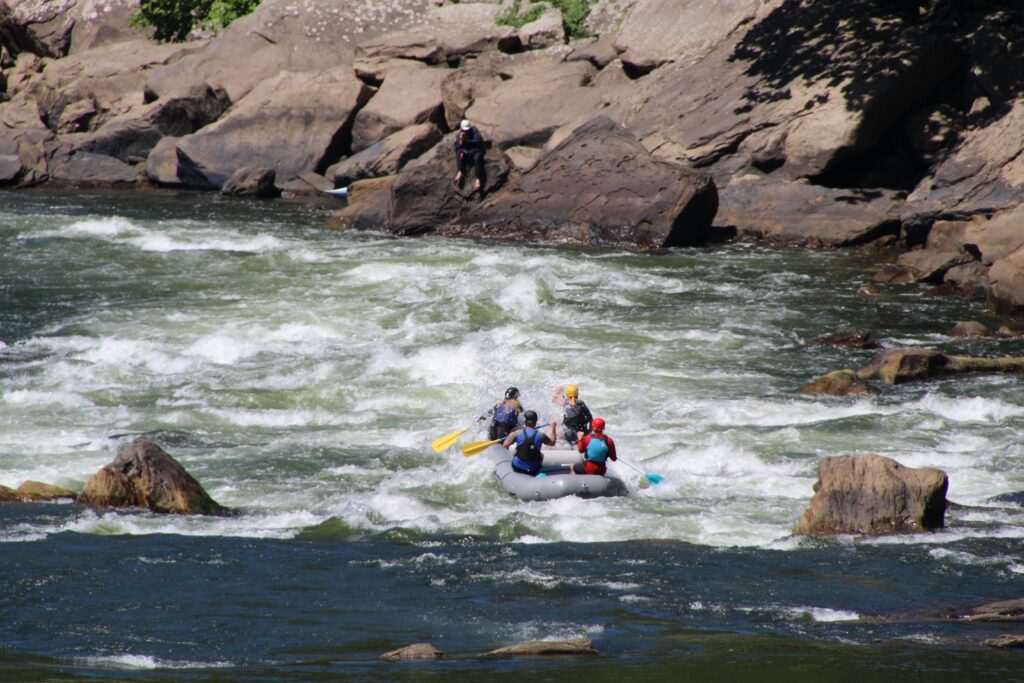
Two world-class whitewater rivers sit within ninety minutes of Anchorage, and neither requires a float plane, a backcountry permit, or a multi-day expedition to reach. Six Mile Creek cuts a dramatic canyon through Turnagain Pass off the Seward Highway, delivering some of the most technically demanding guided rapids in Alaska. The Matanuska River runs glacier-fed and turquoise through the Matanuska-Susitna Valley east of Palmer, with options ranging from family-friendly floats to genuine Class IV water. Whether you want to push your limits in a canyon that few rivers in the country can match, or share an afternoon on a glacial river with kids who’ve never held a paddle, Anchorage puts both within striking distance of a full-day trip.
Six Mile Creek: Alaska’s Premier Whitewater Run
Six Mile Creek drains into Turnagain Arm at the southern end of Turnagain Pass, roughly eighty-five miles south of Anchorage on the Seward Highway. The drive takes about ninety minutes and passes through some of the most scenic road corridor in Alaska — the tidal flats of Turnagain Arm on one side, the Chugach peaks on the other. You will know you have arrived when you see rafts staging below the highway bridge and guides rigging gear in wetsuits and drysuits beside the creek.
Six Mile is classified as a Class IV-V river, meaning the rapids are powerful, continuous, and require technical maneuvering. The run is divided into three canyon sections of increasing difficulty. Canyon One is the warmup — pushy Class III-IV water with strong hydraulics but enough room to recover from mistakes. Canyon Two escalates: a two-mile stretch of tight Class IV-V moves through a narrow basalt gorge where the creek drops through slot features that leave little margin. Canyon Three is the most demanding section, run by fewer operators and only with guides who know the individual features at specific water levels.
Six Mile is guided-only, and that is not a guideline — it is a hard requirement enforced by the terrain. There is no reasonable self-rescue option inside the canyons, and the water temperature in June and July runs between 38°F and 48°F. Immersion in those conditions without a drysuit leads to incapacitation in minutes. Every legitimate operator on Six Mile provides drysuits, helmets, and paddle jackets as standard equipment. Trips run June through September, with July and early August offering optimal water levels — high enough for the big hydraulics, low enough that the technical lines are clean rather than washed out.
Expect a full day. Most Six Mile trips include canyon sections One and Two (the most commonly run combination), a safety briefing and gear orientation at the put-in, and lunch or snacks at the take-out. Trip duration on the water is typically four to five hours. Total day including drive time from Anchorage runs eight to ten hours. Prices for guided Six Mile trips run $150–250 per person depending on which canyon sections are included and the operator’s group size. Minimum age is typically 16 for the full canyon combination; some operators run Canyon One with younger teens at specific water levels.
Chugach Adventures is one of the established Anchorage-area operators running guided rafting and multi-sport packages in Southcentral Alaska. When booking any Six Mile trip, confirm which canyon sections are included, the guide-to-guest ratio, and whether drysuit rental is included or an additional charge — most operators include it, but the variance matters at a $200+ price point.
Matanuska River: Glacier Water and Accessible Adventure
The Matanuska River runs west from the Matanuska Glacier through the broad agricultural valley between Palmer and Anchorage, reaching the Knik Arm at the town of Palmer roughly 45 miles northeast of Anchorage on the Glenn Highway. The river is glacier-fed, which means two things visually and practically: the water is an extraordinary aquamarine color from glacial silt, and it runs cold — 40°F to 50°F even in midsummer — requiring the same wetsuit or drysuit precautions as Six Mile.
The Matanuska is classified at Class III-IV depending on the section, making it significantly more accessible than Six Mile while still delivering genuine whitewater. The upper sections closer to the glacier face carry the heavier water; the lower valley sections are Class II-III and run as family floats. Most commercial trips target the middle sections — enough volume and features to produce real excitement without the canyon-level technical demands of Six Mile.
Unlike Six Mile, experienced paddlers can run sections of the Matanuska on their own with proper equipment and a sound read of current conditions. Self-guided trips require a shuttle vehicle, familiarity with Alaska river hazards (sweepers, braided channels, cold water), and the judgment to pull off if conditions change. First-timers and visitors without Alaska river experience are better served by a guide on either river — not because the Matanuska is dangerously technical, but because a local guide knows the current channel configurations, the put-in and take-out logistics, and how to read the silty water that makes hazard identification harder than it looks.
Matanuska day trips from Anchorage typically run five to seven hours total with two to three hours on the water. Prices run $100–180 per person for guided trips. The lower age threshold is usually twelve, though family sections with calmer water can be appropriate for younger children with some operators. The drive up the Glenn Highway to the put-in offers its own reward — the Matanuska Glacier is visible from the highway and makes a natural stop before or after the float.
For multi-activity day packages that combine the Matanuska River with glacier trekking, kayaking, or wildlife viewing, Alaska Outdoor Adventures operates packages that cover several Southcentral Alaska experiences in one day — a practical option for visitors who want to maximize a limited schedule.
Six Mile vs. Matanuska: Which River Is Right for You
The choice between Six Mile Creek and the Matanuska River comes down to two variables: experience level and what you want from the day.
Six Mile is the right choice if you want to push into genuine whitewater challenge — Class IV-V canyon rapids, committing terrain, and a guided experience that requires active paddling and physical engagement throughout. It is not appropriate for anyone who is uncomfortable in fast water, has significant mobility limitations, or is under sixteen. It is the right choice for athletic adults, experienced kayakers or rafters looking for a step up, and anyone for whom a real test of the river is the point of the trip.
The Matanuska is the right choice for families, first-timers, and visitors who want the Alaska river experience — glacier color, mountain scenery, genuine current — without the full commitment of a Class V canyon. It is also the better option when the group includes mixed ability levels or ages. Experienced rafters who have already run Six Mile often return for a Matanuska float specifically because the lower-stakes environment lets them look around more — at the mountains, the glacier in the distance, the braided channels — instead of focusing entirely on the next move.
Both rivers run June through September. Both require the same basic cold-water gear: wetsuit or drysuit, helmet, PFD. Both reward an early start — water levels and weather in Alaska are more predictable before afternoon convective storms develop in July and August.
What to Wear and What to Bring
On both rivers, your guide provides the essential equipment: drysuit or wetsuit, paddle jacket, helmet, and personal flotation device. What you bring personally matters mainly for comfort before and after the water.
Wear a synthetic base layer — wool or polypropylene — under whatever the guide provides. Cotton has no place in Alaska river conditions; it holds moisture and drops your core temperature fast. Bring a dry set of clothes in a sealed dry bag or leave them in the car at the take-out — you will want to change after the trip. Waterproof sandals or old sneakers work inside a wetsuit; the guide will specify footwear requirements when you book.
Sunscreen matters more than most visitors expect. Alaska’s summer sun at high latitude is deceptively intense, water reflection amplifies it, and you will be on the water for hours. A hat that can be secured under a helmet helps for the pre-launch staging time. Bring water and a snack; most full-day trips include lunch, but confirm when booking.
Leave cameras in the car unless you have a fully waterproof housing and a way to secure the camera to your body. Phones in zip-lock bags do not survive Class IV water.
Booking Tips and Seasonal Notes
Both Six Mile and the Matanuska run June through September. Peak season is July and early August — optimal water levels, longest days, best weather odds. Book at least two to three weeks ahead for July trips; popular operators fill on weekends from late June onward. September trips offer smaller crowds and often cleaner, lower water on Six Mile, though weather becomes less predictable.
Water level is the single most important variable on Six Mile. Some canyon sections are only run within specific flow ranges; guides will know the current gauge and will modify the trip plan accordingly. If you arrive and your operator pulls Canyon Two due to high water, that is the correct professional call — not a shortchanged trip.
Most operators have online booking. When comparing, confirm: which canyon sections are included, drysuit or wetsuit provision, minimum age, guide-to-guest ratio, and whether the shuttle is included. Tipping guides at the end of a good trip is standard practice.
For visitors combining the rafting day with other Anchorage-area activities, Alaska Outdoor Adventures offers multi-sport packages that bundle river time with other Southcentral Alaska experiences — a useful option when you want to cover ground across a short Alaska visit.
Wildlife on the Water
Both rivers move through active wildlife habitat. Bald eagles are common on the Matanuska, using the braided channels for fishing throughout the summer. Bears work the river corridor in late summer when salmon runs come through lower sections of Southcentral river drainages. Moose are frequently seen in the willow and alder flats along the banks of the Matanuska Valley.
Six Mile’s canyon sections are less populated by large mammals — the terrain is steep and rugged — but the drive on the Seward Highway to the put-in regularly offers Dall sheep sightings on the cliffs above Turnagain Arm, and beluga whales are visible from the highway in Cook Inlet. Plan time on the drive both ways and pull into the marked viewpoints.

No comments yet.