
Things to Do in Anchorage in Winter 2026: Activities, Events & Cold-Weather Fun
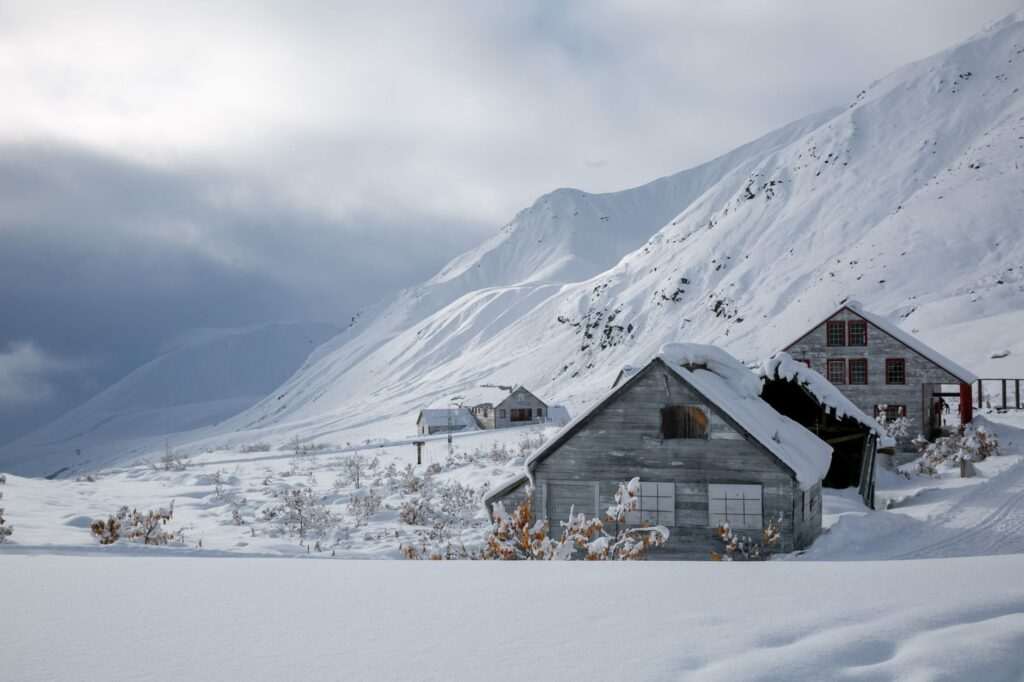
Anchorage winters aren’t something to endure on the way to summer — they’re a distinct season with their own activities, character, and reasons to visit. The city averages around 75 inches of snow annually, the surrounding mountains hold consistent snowpack from November through April, and the darkness that comes with 61° north latitude creates the conditions for aurora viewing that draws photographers from around the world. Temperatures typically range from 5°F to 30°F during the core winter months, occasionally colder during Siberian high pressure events. This is manageable cold for anyone who dresses correctly, and the payoff — empty ski runs, aurora-lit nights, and an Anchorage operating at full local rhythm without the summer tourist volume — is substantial. Here’s what to do.
Skiing and Snowboarding: Alyeska Resort
Alyeska Resort in Girdwood, 40 minutes south of Anchorage, is Alaska’s premier ski destination and one of the more underrated mountains in the western United States. Seventy-six runs across 1,610 vertical feet with terrain that skews toward intermediate and advanced — roughly 20% beginner, 35% intermediate, and 45% advanced to expert. The upper mountain holds challenging pitch and consistent maritime snowpack that builds through January and peaks in February and March.
Adult day lift tickets run $99–$119 depending on day and advance booking. Night skiing operates Friday and Saturday evenings during peak season, which adds options without requiring a second full-day ticket. Ski school and rental packages are available at the base. The aerial tram to the summit connects to Seven Glaciers Restaurant at 2,300 feet — book dinner at the top as an extension of any ski day.
The adjacent Alyeska Nordic Spa offers outdoor thermal pools and contrast baths with mountain views — one of the better après-ski recovery options in Alaska and worth booking even on non-ski days. Best powder conditions: January through March, when the maritime snowpack builds and storm cycles produce the deep, heavy snow that defines this mountain.
Nordic Skiing and Snowshoeing
Anchorage has one of the most extensive urban cross-country ski trail networks in the United States. The Kincaid Park Winter Sports Center maintains over 50 kilometers of groomed Nordic trails through old-growth forest above Cook Inlet — a venue that has hosted World Cup biathlon and cross-country events. The trails are lit for evening skiing and accessible from the Anchorage city grid without a car. Rental equipment is available at the park. Novice to advanced terrain; the views of the Alaska Range visible on clear days are exceptional.
The Hillside Park Nordic Skiing Trails on the east side of the city offer another extensive groomed network with a different character — higher elevation, longer climbs, and access to the Chugach foothills above the treeline on clear winter days. Together, Kincaid and Hillside provide enough Nordic variety to occupy a serious skier for an entire winter visit without leaving the Anchorage trail system.
For snowshoeing, Chugach State Park trails accessible from the Hillside — including the approach to Flattop Mountain — are excellent in winter conditions. The Chugach State Park trail systems at Glen Alps and other access points stay open year-round; snowshoes are required above the treeline when snow is deep, and the views from any ridge above 3,000 feet on a clear winter day justify the effort entirely.
Northern Lights: Aurora Viewing Near Anchorage
Anchorage sits in a latitude band that receives regular aurora activity from late August through April, with peak viewing from mid-September through March when nights are long enough to provide meaningful dark-sky windows. The aurora borealis appears as shifting curtains of green, occasionally pink and purple, across the northern and overhead sky — more dynamic and less predictable than photographs suggest. A strong geomagnetic storm can produce full-sky displays visible from the city itself; moderate activity requires darker conditions.
Aurora Tours Anchorage by Greatland Adventures runs guided northern lights programs that handle the logistics of finding dark sky, monitoring space weather forecasts, and positioning visitors for the best viewing windows. The Anchorage Aurora & Astrophotography Workshop Series adds camera technique instruction — essential for anyone who wants to photograph the lights rather than just observe them, since aurora photography requires specific settings that don’t come naturally from regular camera use.
For self-guided viewing, drive north on the Glenn Highway toward Palmer or south on the Seward Highway past Girdwood on clear, dark nights when the Kp index (space weather activity) is 3 or higher. The free SpaceWeatherLive and Aurora Forecast apps provide real-time monitoring. Dress for extended time outside in cold conditions — aurora chasing involves standing still in the dark, which makes even moderate temperatures feel much colder than the thermometer reads.
Iditarod: The Last Great Race
The Iditarod Trail Sled Dog Race ceremonial start runs through downtown Anchorage in early March — a 11-mile procession of dog teams and mushers along 4th Avenue that serves as the public kickoff before the official restart in Willow. This is one of Alaska’s most distinctive spectator events: free to watch from the street, accessible to all ages, and genuinely unlike anything available elsewhere. The Iditarod Trail Headquarters in Wasilla (45 minutes north) offers year-round exhibits, mushing demonstrations, and race history context for visitors who want more background than the start line provides.
The ceremonial start draws tens of thousands of spectators and creates a festive downtown atmosphere — arrive early for a good viewing position along the course. The mushers and their teams are accessible for photographs before the start in a way that race-day events rarely allow.
Winter Festivals and Indoor Events
Anchorage Fur Rendezvous (Fur Rondy), typically held in late February, is the city’s oldest and largest winter festival — a 10-day celebration with outhouse races, fur auctions, a running of the reindeer through downtown, and a community energy that reflects a city making the most of its winter rather than waiting for it to end. Free and paid events throughout; the downtown atmosphere during peak Rondy weekend is unique to Anchorage.
The Anchorage Winter Solstice Festival in December marks the season’s darkest point with performances and community events. The Heyi Days Winter Celebration brings cultural programming to the calendar in the colder months.
Indoor attractions fill the short days well. The Anchorage Museum downtown is the city’s primary cultural institution — Alaska history, art, science, and the Smithsonian Arctic Studies Center — and better visited in winter when the crowds of summer are gone. The Alaska Native Heritage Center runs year-round programming that feels more intimate in winter than during the summer peak. The Alaska Aviation Museum and Alaska Museum of Science and Nature add specialized programming for specific interests.
What to Pack
Anchorage winter dressing follows the same layering logic as any cold-climate city, but the temperature range demands genuine cold-weather gear rather than a heavy coat over normal clothes. Base layers of merino wool or synthetic moisture-wicking fabric; mid-layer insulation (down or synthetic puffy jacket); a windproof outer shell for days with wind chill. Waterproof boots rated to at least -20°F are the single most important item — cold feet end outdoor activities faster than anything else. Wool or synthetic liner gloves inside heavier mittens allow dexterity when needed. A balaclava or neck gaiter for the coldest days. Hand warmers as backup.
For indoor-heavy days (museums, restaurants, shopping), standard cold-weather city gear works fine. For skiing, snowshoeing, or aurora chasing, invest in appropriate technical layers — rental gear is available at Alyeska and Kincaid, but personal cold-weather base layers aren’t something to rent.
Featured photo by Josh Meeder on Pexels.
No comments yet.