
Salmon Fishing Near Anchorage 2026: Best Spots & Charters
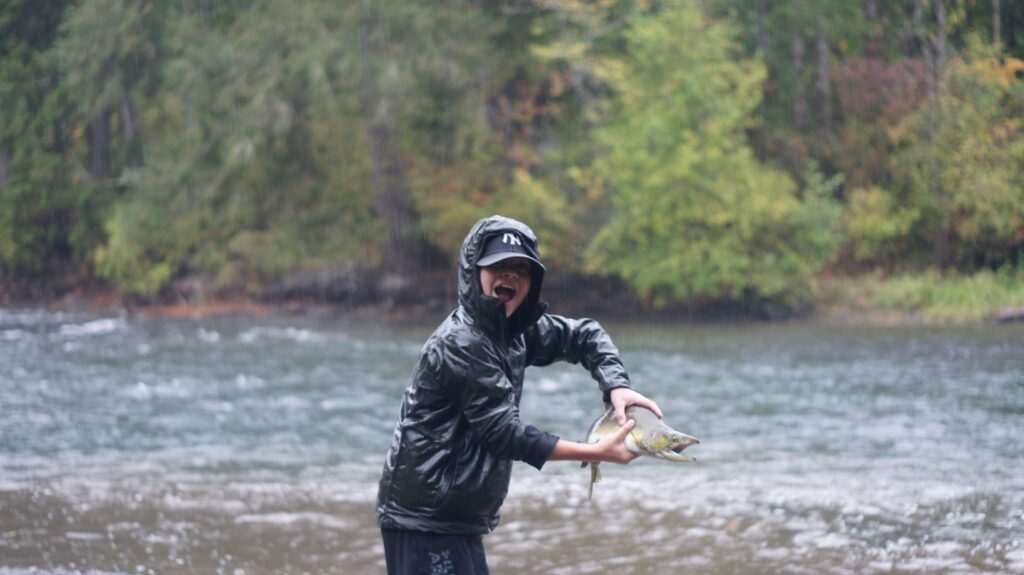
Few cities in North America let you walk from a downtown hotel to a salmon river in fifteen minutes. Anchorage is one of them. Ship Creek runs through the industrial heart of the city, half a mile from the convention center, and every summer it fills with king salmon large enough to stop traffic — which it occasionally does, as visitors discover the fishery by accident and pull over to watch. From that downtown fishery to the legendary Kenai River two and a half hours south, Southcentral Alaska offers a concentration of world-class salmon fishing that is genuinely without equal. This guide covers the best spots and most practical options for salmon fishing near Anchorage in 2026, for everyone from first-timers with a borrowed rod to serious anglers planning a dedicated trip around the runs.
Ship Creek: Salmon Fishing in the Middle of Downtown
Ship Creek is the most improbable fishing spot in Alaska — a glacially-fed creek that runs through the Port of Anchorage and delivers king salmon within walking distance of the city’s hotels, convention center, and downtown retail core. From late May through early July, king salmon push up Ship Creek on their spawning run, and the banks fill with anglers in a scene that locals call “combat fishing” — shoulder-to-shoulder casting in a relatively narrow section of river where everyone is working the same pod of fish. It sounds chaotic. It is. It’s also genuinely effective.
The Ship Creek viewing platform, just below the dam, is the best vantage point for watching the run without fishing — you can see salmon stacking below the falls, and during peak weeks in June the numbers are remarkable. For anglers, the section below the viewing platform and along the lower creek offers the most productive water. Shore access is free; no admission fee. The creek is wadeable in most sections with appropriate footwear, though the bottom is slippery and waders are strongly recommended.
The Anchorage Salmon Derby, typically running from mid-June through mid-July, adds a competitive layer to the Ship Creek experience — cash prizes for the largest kings, weigh stations near the creek, and a festive atmosphere that makes the derby weeks some of the most energetic days on the water all summer. Entry fees are modest and the derby is open to all comers.
An Alaska fishing license is required. Non-residents pay $24 for a 1-day license, $39 for 3 days, or $70 for 14 days — all purchasable online through the Alaska Department of Fish & Game website before you arrive. King salmon on Ship Creek also require a separate king salmon stamp, currently $10 for non-residents. The gear shop near the creek sells licenses, tackle, and rentals if you arrive without equipment.
Russian River and the Kenai River Confluence: Sockeye Combat Fishing
If Ship Creek is Anchorage’s urban fishery, the Russian River confluence is its most democratic world-class experience. Located roughly two hours south of Anchorage along the Seward Highway and Sterling Highway, the spot where the Russian River meets the Kenai River is one of the most productive sockeye salmon fisheries on earth — and access is open to anyone with a fishing license and the willingness to stand elbow-to-elbow in fast, cold water.
The run here peaks in late July and into August, when sockeye stack in enormous numbers heading upriver. The ferry crossing — a hand-operated cable ferry that carries anglers across the Kenai River — is part of the experience; it runs seasonally and gets busy during peak weekends. Arrive early on summer weekends if you want good bank access on the Russian River side. The fishing technique is specific: “flipping” for sockeye involves a short, controlled cast that presents a bright fly or hook directly in front of moving fish, and the strikes are fast and unmistakable when it works.
Sockeye are pound-for-pound one of the hardest-fighting salmon in fresh water. A 6–10 pound fish on a medium rod in fast current tests most anglers. The red flesh of sockeye is also among the finest table fish in Alaska — sweet, firm, and richly flavored. Most anglers who fish the confluence keep their limit (typically 3 fish per day on the Russian/Kenai under standard regulations, though limits can change — always check current ADF&G emergency orders before fishing).
The drive along the Seward Highway from Anchorage to the confluence is itself worth the trip — Turnagain Arm, the Chugach Mountains, and Dall sheep on the cliffs above the road. Families who don’t fish sometimes make the drive anyway; the Alaska Wildlife Conservation Center is directly on the highway and worth a stop in both directions.
Kenai River Guided Charters: Full-Day Drift for Kings and Silvers
The Kenai River between Soldotna and Kenai is the backbone of Southcentral Alaska’s guided fishing industry. Full-day drift boat trips target king salmon in June and July, and silver (coho) salmon in August and September. A guided trip puts you on the water with someone who knows the river’s current holding lies, selects appropriate gear and presentation, handles the boat through Class I and II water, and cleans fish at the end of the day. For visitors without local knowledge, guided trips on the Kenai routinely outperform self-guided efforts by a substantial margin.
Alaska Good Time Charters operates guided trips with experienced local guides who know the Kenai River system and adjust tactics based on the run timing and river conditions. Full-day guided drift boat trips typically run $250–$400 per person for a group of two to four anglers, with gear and fish cleaning included. Half-day options are available but full days maximize time on productive water — king salmon in particular require patience and persistence, and the afternoon tides often push fish upriver just as morning charters are wrapping up.
Book guided Kenai River trips well in advance of peak season (June–July for kings). The most productive guide days fill months ahead for prime king salmon dates; silver salmon in August and September are somewhat more available on short notice. The guide handles all licensing paperwork for guided trips in most cases, but confirm this when you book.
Seward and Resurrection Bay: Halibut and Salmon Combo Trips
Two and a half hours south of Anchorage on the Seward Highway, the small city of Seward sits at the head of Resurrection Bay and serves as the launch point for some of the most productive ocean sport fishing in Alaska. Seward-based charters run combination trips targeting halibut and salmon — typically Pacific halibut on the bottom in 100–300 feet of water, and silver or pink salmon on the surface — in a single full-day trip that gives anglers a genuine taste of Alaska’s offshore productivity.
The typical Seward combo trip runs 8–10 hours out of the Small Boat Harbor, with a half day targeting salmon on the surface and the other half targeting halibut on the bottom. Prices run roughly $225–$350 per person depending on the season and operator. Halibut are legal to keep in quantity and are among the best-eating fish in the world — many Seward charter anglers leave with a cooler of both halibut and salmon fillets, enough for a season of meals back home.
Seward is also worth the drive for its surroundings: Kenai Fjords National Park, Exit Glacier, and the bay itself make the trip a full Alaska day regardless of what’s biting. Several charter operators work out of the harbor; booking ahead by 1–2 weeks in summer is strongly recommended.
Salmon Seasons at a Glance
King (Chinook) salmon: Late May through mid-July. Ship Creek peak mid-June to early July. Kenai River guided trips for kings run June through July.
Sockeye (Red) salmon: July through mid-August. Russian River confluence peaks late July.
Silver (Coho) salmon: August through September. Kenai River and Seward saltwater combo trips.
Pink salmon: Even years only (2026 is an even year — expect strong returns). July–August in most river systems and saltwater near Seward.
Halibut: May through September from Seward and Homer.
2026 is an even year, which means pink salmon returns will be strong throughout Southcentral Alaska — pinks run in enormous numbers and provide fast-paced, light-tackle action at Ship Creek and in Resurrection Bay. They’re not the glamour fish of the king or sockeye, but for sheer quantity and activity, an even-year pink run is one of the most kinetic fishing experiences Alaska offers.
Practical Tips for Salmon Fishing Near Anchorage
Alaska fishing license: Required for anyone 16 and older. Purchase online at the Alaska Department of Fish & Game website (adfg.alaska.gov) or at sporting goods stores in Anchorage including Bass Pro, REI, and most Fred Meyer locations. King salmon require a separate king salmon stamp. Non-resident license fees: 1-day $24, 3-day $39, 14-day $70, annual $145. Non-resident king stamp: $10.
Check ADF&G emergency orders: Salmon run timing and strength varies year to year, and the Alaska Department of Fish & Game issues emergency orders that can modify bag limits, open and close specific sections of river, or adjust seasons mid-summer based on run strength. Always check the ADF&G website or call the local office before fishing — regulations current as of your license purchase may have changed by the time you reach the river.
What to bring: Rain gear (waterproof jacket and pants), rubber boots or waders, polarized sunglasses for spotting fish, a valid fishing license with king stamp if targeting kings, a cooler if you plan to keep fish, and sunscreen for clear days on the water. River temperatures are cold — Kenai River water runs 40–50°F — and a wading belt is good practice for chest waders.
Fish processing: Most guided charter operations include fish cleaning and vacuum-seal packaging. If you fish Ship Creek independently and keep fish, local processors can fillet, smoke, and ship fish home on request. Check with your hotel about in-room freezer access if you’re staying for multiple days.
Featured photo by Jason Pittman on Pexels.

No comments yet.