
Skydiving Near Anchorage 2026: Tandem Jumps, Alaska Views & What to Expect
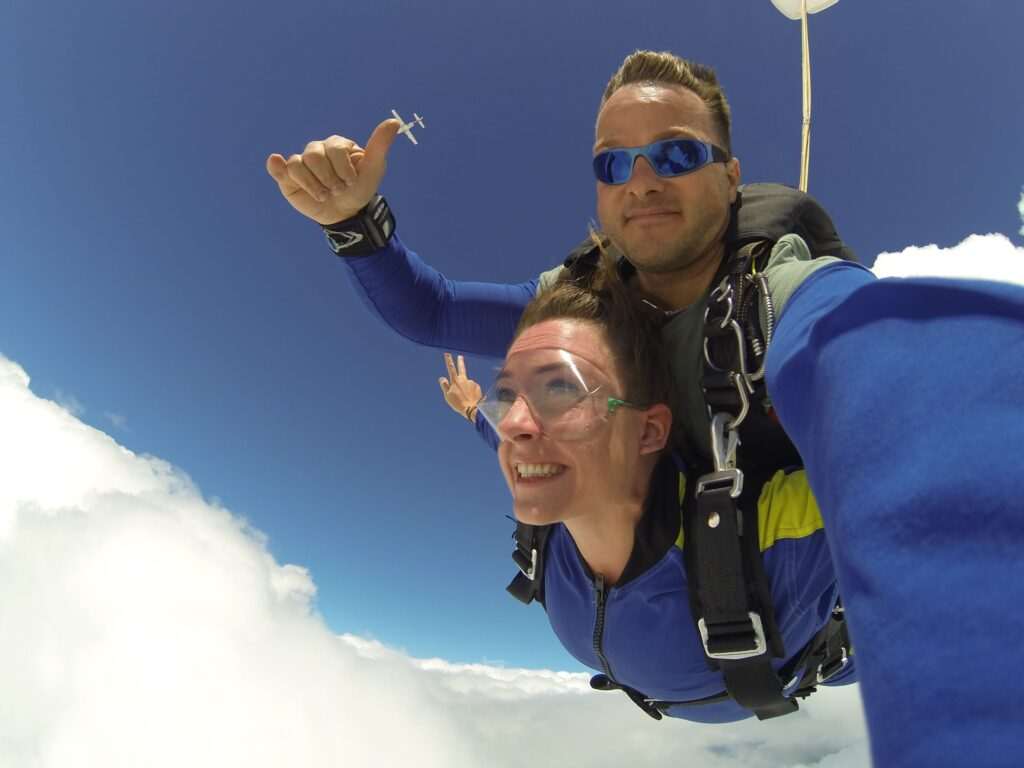
There’s no view of Alaska quite like the one from 10,000 feet — glaciers, Cook Inlet, and the Alaska Range stretching to the horizon while you’re in freefall. Skydiving near Anchorage isn’t just an adventure; it’s one of the most spectacular ways to see the state. Whether you’re a first-timer strapped to a tandem instructor or working toward your solo license, here’s everything you need to know for 2026.
Where to Skydive: Triumvirate Jump Club
The go-to drop zone in the region is Triumvirate Jump Club, located near Willow, Alaska — about 70 miles north of Anchorage along the Parks Highway. It’s one of the few dedicated skydiving drop zones in the entire state, and its location in the Mat-Su Valley puts you directly above some of Alaska’s most breathtaking landscapes.
Triumvirate operates May through September (weather permitting) and offers tandem jumps, AFF training, and fun jumps for licensed skydivers. The club has a strong safety record and experienced jump masters who know Alaska’s unique atmospheric conditions well.
Tandem Jumps: No Experience Required
If it’s your first time, a tandem skydive is the way to go. You’ll be harnessed to a certified jump master for the entire jump — from the aircraft exit at altitude all the way to the landing zone. Here’s what the process looks like:
- Ground training: About 20–30 minutes of instruction covering body position, exit technique, and landing procedure
- Gear up and board: You’ll be fitted with a harness and board a small aircraft with your jump master
- Climb to altitude: The aircraft climbs to approximately 10,000–14,000 feet depending on conditions and package
- Freefall: About 30–60 seconds of freefall at 120 mph before the parachute deploys
- Canopy ride: A 5–7 minute glide back to the landing zone with stunning views of the Mat-Su Valley
Most tandem jumpers describe the parachute ride — not the freefall — as the most memorable part. Once the canopy opens, you’re floating quietly above Alaska’s wilderness in complete silence.
Accelerated Freefall (AFF) Training
Want to jump solo? The AFF program is the industry-standard path to getting your skydiving license. It consists of 7–8 progressive jumps with increasing independence, starting with two instructors on your first jump and gradually transitioning to flying solo.
Triumvirate Jump Club offers AFF courses, though scheduling is essential during the short Alaska summer season. If you’re planning to complete the full AFF program in a single trip, budget at least a week — Alaska’s weather can delay jump days without warning.
Best Season and Weather
Skydiving near Anchorage runs May through September. June, July, and August offer the longest days (up to 19 hours of daylight in June) and typically the most stable weather windows. That said, Alaska’s weather is notoriously variable — cloud cover, wind, and rain can ground flights with little warning.
Don’t plan a skydive as the centerpiece of a single-day Anchorage itinerary. Build in flexibility. Most jumpers find it worth scheduling a morning slot and having a backup plan in case conditions push the jump to later in the day or the following morning.
What You’ll See from Above
The Mat-Su Valley’s geography makes Triumvirate Jump Club’s views especially striking:
- Denali and the Alaska Range on clear days to the north, roughly 130 miles away
- Cook Inlet to the west, often with tidal mudflats shimmering below
- Matanuska-Susitna Valley farmland patchworked across the valley floor
- Hatcher Pass ridgelines rising to the northeast
- Boreal forest, river braids, and wetlands stretching to the horizon
Visibility on jump day is everything. If you’re chasing Denali views, check the Talkeetna webcam the morning of your jump. Clear conditions in the Valley don’t always guarantee the Alaska Range is visible through distant haze.
Getting There from Anchorage
Willow is about 70 miles north of Anchorage via the Glenn and Parks Highways — roughly a 60–75 minute drive depending on Mat-Su traffic. There’s no shuttle service, so you’ll need your own vehicle or a rental car.
The drive itself is part of the experience. The Parks Highway passes through Palmer and Wasilla before opening into the Mat-Su Valley’s wide panoramas with the Alaska Range in the background on clear days.
Other Alaska Adventures to Pair With Your Jump
If skydiving weather doesn’t cooperate — or you want more adventure before or after your jump — the Mat-Su Valley and surrounding area have plenty to offer:
- Rust’s Flying Service offers floatplane flightseeing over glaciers and Denali — another way to see Alaska from above, with a softer landing guarantee
- Alpine Air Alaska runs glacier landings and scenic flight tours from the Palmer area, putting you on the ice rather than above it
- Chugach Adventures brings the adrenaline to river level with whitewater rafting on glacial-fed rivers near Anchorage
Pricing and Booking Tips for 2026
Tandem skydiving near Anchorage typically runs $250–$350 per person for a standard jump, with higher-altitude packages or video/photo add-ons bringing the total higher. AFF training is priced per jump and varies by course package.
Key booking tips:
- Book early — the Alaska season is short and slots fill quickly in July and August
- Check the cancellation policy — reputable drop zones offer weather-related reschedules at no charge
- Arrive with extra time — ground training, paperwork, and gearing up takes time; allow 2–3 hours minimum
- Eat lightly beforehand — don’t jump on a heavy meal, but don’t jump hungry either
- Weight and age restrictions apply for tandem jumps — confirm requirements directly when booking
Frequently Asked Questions
Is skydiving near Anchorage safe?
Skydiving carries inherent risk, but tandem jumping with a certified instructor at a licensed drop zone significantly reduces that risk. Triumvirate Jump Club operates under USPA (United States Parachute Association) guidelines, and instructors are experienced in Alaska’s specific conditions. Follow all pre-jump instructions carefully.
What’s the minimum age to skydive in Alaska?
Most drop zones require tandem jumpers to be at least 18 years old. Parental consent doesn’t override this requirement — you must be 18 at the time of the jump. Confirm directly with Triumvirate Jump Club, as policies can vary slightly by operator.
Can I skydive if I’m afraid of heights?
Many first-time skydivers find that the fear of heights doesn’t translate to freefall the way they expected — the sensation is more like floating than falling. It’s worth discussing any anxiety with your jump master before the flight. Most instructors are experienced at helping nervous first-timers through the process.
What’s the weather cancellation policy?
Most Alaska drop zones reschedule weather-caused cancellations at no charge. Policies vary, so confirm before booking whether your deposit is refundable or transferable if conditions ground flights on your scheduled day.
Do I need to be in good physical shape to skydive?
You don’t need to be an athlete, but most drop zones have weight limits for tandem jumps — typically 220–250 lbs depending on the operation — and may require medical clearance for certain health conditions. Check Triumvirate’s specific requirements when booking.


No comments yet.