
Kenai River King Salmon Fishing 2026: The Complete Guide
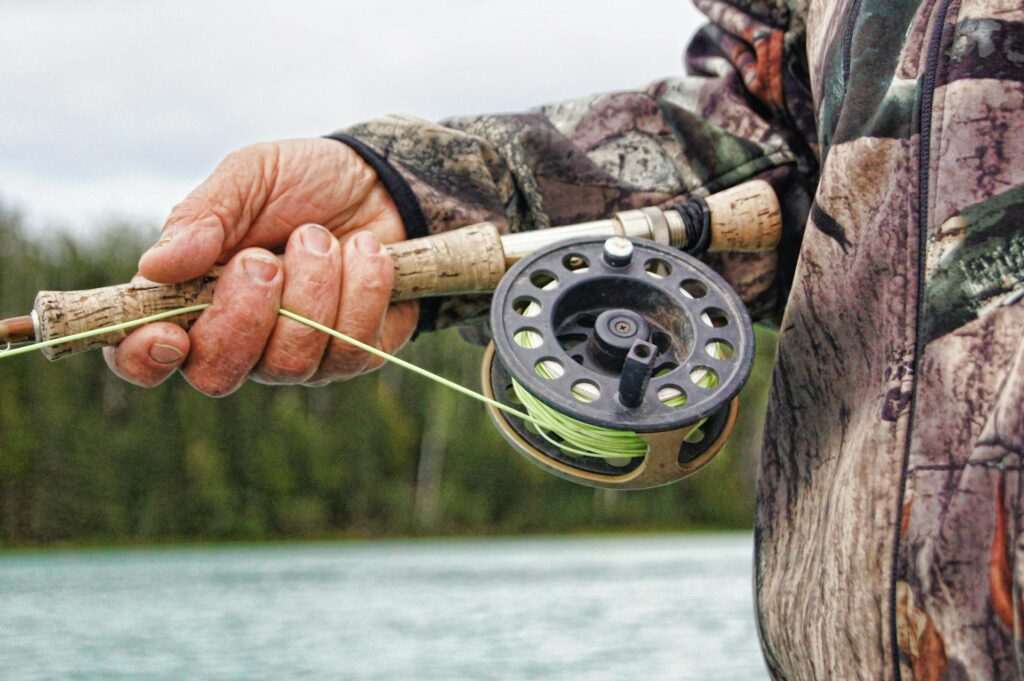
The Kenai River runs 82 miles through the heart of the Kenai Peninsula, draining out of Kenai Lake before sweeping west to Cook Inlet. For anyone serious about Kenai River king salmon fishing, it’s one of the most productive Chinook rivers in the world — holding fish that regularly top 60 pounds and can exceed 90. If you’re planning an Alaska fishing trip in 2026, here’s everything you need to know before you go.
The Two King Salmon Runs
The Kenai River hosts two distinct king salmon runs each summer, and understanding the difference matters for trip planning.
The first run moves through from mid-May into late June. These fish average 20–35 pounds — smaller by Kenai standards, but still world-class. The upper river around Cooper Landing sees the best first-run action, and the water is clear enough to watch the fish hold in the current.
The second run peaks from mid-July through the end of the month and brings the trophy fish. Late-run Kenai kings average 35–60 pounds, and the world record — a 97-pound, 4-ounce Chinook — came from this river. The lower Kenai from Sterling through Soldotna holds the most fish during this period. Regulations, daily limits, and retention rules change annually based on run strength, so always confirm current rules at the Alaska Department of Fish & Game website or the ADF&G hotline before you fish.
Upper vs. Lower River
The Kenai fishes quite differently depending on where you are.
The upper Kenai (Cooper Landing to the Sterling Highway bridge) is narrower, faster, and technically demanding. The clear water makes for spectacular sight fishing in good conditions, and the scenery — glacier-carved peaks, birch forest, turquoise water — is remarkable. Drift boats and rafts dominate here, though some bank access exists near Cooper Landing. The Russian River confluence just upstream of Cooper Landing is one of the most famous salmon fishing spots on the peninsula — and a prime bear-watching area during run season. If wildlife viewing is on your agenda, check out the Russian River Falls bear viewing area while you’re in the valley.
The lower Kenai (Sterling to Soldotna and beyond) is the combat fishing zone. The river widens and slows, and during the second run, bank spots at Soldotna’s city park fill before dawn. Drift boat fishing from a guide is the most consistent approach — a skilled guide reads the river, adjusts depth, and puts clients over fish that bank anglers can’t reach.
Guided Trips: What to Expect in 2026
First-time visitors and experienced anglers alike benefit from going with a licensed guide. Guides know exactly where the fish are stacked, handle the legal details, and provide all the gear. For 2026, expect to budget approximately:
- Half-day trip (4–5 hours): $200–$275 per person
- Full-day drift trip (8–10 hours): $350–$500 per person, including guide, rod, bait, and terminal tackle
- Multi-day lodge packages: $1,800–$3,500+ per person for 3–5 days with guided fishing, meals, and accommodation
July weekends book out months ahead. If you’re targeting the second run, lock in dates by March or April. Most reputable guides are members of the Kenai River Professional Guide Association and carry a current ADF&G guide license — ask to see it before you pay. Operators based out of Anchorage like Cook Inlet Charters Anchorage run day trips down to the Kenai and handle transportation, so you don’t need a rental car to access the river.
Licenses and Permits
Every angler 16 and older needs an Alaska Sport Fishing License. Non-resident prices for 2026 (verify at ADF&G before purchasing): approximately $25 for a 1-day license, $70 for 14 days, or $145 for the season. In addition, keeping a king salmon requires a separate King Salmon Stamp (roughly $20 for non-residents). Both are available online through the ADF&G licensing portal, at sporting goods stores, and at Soldotna tackle shops. Guided trips typically remind clients to arrive with licenses in hand — but confirm with your operator ahead of time.
Gear Basics for Visitors
Licensed guides supply all essential fishing gear, including rods, reels, bait, and tackle. If you’re fishing independently, come prepared with:
- Heavy spinning or baitcasting rod (8’6″–10′, medium-heavy action)
- 20–30 lb monofilament or 40–65 lb braided line with a fluorocarbon leader
- Cured salmon roe or herring (the classic Kenai bait setup)
- Chest waders — the water runs 45–52°F even in July
- Polarized sunglasses for reading current seams
Access Towns
Cooper Landing (about 100 miles and 1 hour 45 minutes from Anchorage via the Seward Highway) is the gateway to the upper river. It’s small — a handful of lodges, outfitters, and fuel — but the scenery is some of the best on the peninsula and fishing pressure is noticeably lower than Soldotna. The drive south from Anchorage through Turnagain Arm and into the Kenai Mountains is itself one of Alaska’s best road corridors.
Sterling sits about 130 miles from Anchorage (2 hours 15 minutes) and marks the transition from upper to lower river. Mid-river access, slightly less crowded than Soldotna.
Soldotna (about 150 miles, 2 hours 30 minutes) is the hub. The city’s bank fishing spots on the river draw hundreds of anglers during peak runs. It has full services: guide shops, tackle stores, lodges, gear rentals, and several fish processing facilities that will clean, freeze, vacuum-seal, and ship your catch home.
Practical Tips
- Check emergency orders. ADF&G can modify retention rules mid-season based on daily counts. Subscribe to emergency order notifications or call the ADF&G hotline before each fishing day.
- Plan for crowds. The second run turns Soldotna bank spots into shoulder-to-shoulder combat fishing. Go midweek or target the upper river for more elbow room.
- Fish processing. If you land a keeper, Soldotna processors will fillet, freeze, and box your fish for airline travel. Some airlines allow frozen fish in checked luggage; confirm with your carrier ahead of your return flight.
- Dress for rain. Kenai Peninsula weather changes without warning. Pack a waterproof shell regardless of the forecast — conditions on the peninsula shift fast, and rain gear is one item you’ll never regret bringing.


No comments yet.