
Alaska Wildlife Conservation Center: 2026 Visitor Guide
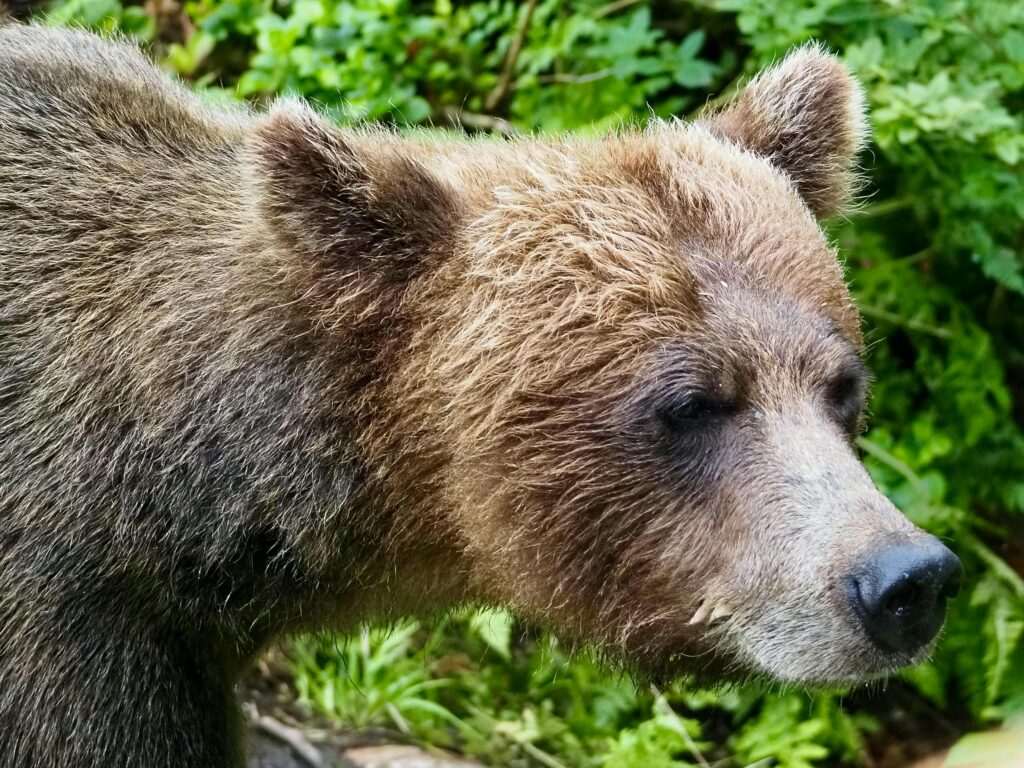
About 50 miles south of Anchorage on the Seward Highway, the Alaska Wildlife Conservation Center offers one of the most accessible and meaningful wildlife encounters in the state. This isn’t a zoo — it’s a working sanctuary where injured, orphaned, and non-releasable Alaska animals receive lifelong care in large, naturalistic enclosures. A visit here in 2026 means up-close views of brown bears, moose, bison, musk oxen, wolves, lynx, elk, and reindeer, all native to Alaska, in a setting that reflects the landscape they come from.
2026 Hours & Admission
The AWCC is open year-round, though hours vary by season. In summer (May through September), the center typically opens at 8 a.m. and closes at 8 p.m. Winter hours are shorter — check the AWCC website for current 2026 schedules before you go, as hours can shift.
Estimated 2026 admission (confirm on-site):
- Adults (13–59): approximately $19–$22
- Children (3–12): approximately $13–$15
- Seniors (60+): approximately $15–$17
- Children 2 and under: free
Parking is free and plentiful on-site. The center does not require advance reservations for general admission, though buying tickets online ahead of time can save time at the gate during peak summer weekends.
Drive-Through or Walk-Through?
The Alaska Wildlife Conservation Center is primarily a drive-through facility — you follow a 1.5-mile loop road through the property in your own vehicle, stopping at pullouts to observe animals in large pastures on either side. This makes it exceptionally accessible for families with young children, visitors with mobility limitations, and anyone visiting during rain (which happens in Alaska).
Several stops along the loop have short walking paths for closer viewing, particularly at the bear, bison, and musk ox enclosures. The bear area is consistently the most popular stop — brown bears can be seen from very close range, and viewing platforms give elevated sightlines into the enclosure. Allow at least 90 minutes for a relaxed visit; two hours if you want to linger at multiple stops.
What Makes AWCC Different from a Zoo
Every animal at the AWCC is either a rescue or a non-releasable Alaska native species. Many arrived as orphaned cubs or injured adults — animals that couldn’t survive in the wild without human intervention. The center’s mission is conservation and education, not exhibition for its own sake.
That distinction matters for the experience. Enclosures are large and designed to support natural behaviors. The animals are genuinely Alaskan — you won’t find African lions or tropical birds — which makes the AWCC feel like an authentic window into the state’s wildlife rather than a generic attraction. It’s a particularly strong experience for out-of-state visitors who want to understand Alaska’s ecosystem, not just photograph it.
Family Tips
Kids consistently rank the bears and baby animals (when present in spring) as the highlights. The bison herd often comes close to the road fence, which produces memorable moments for young visitors. Moose, wolves, and lynx can be more reclusive — morning visits (before 10 a.m.) tend to yield more active animal behavior before the heat of the day sets in.
Strollers are easily managed on the paved loop road and viewing platform areas. The facility is wheelchair accessible throughout. There are restrooms and a small gift shop at the entrance.
Bring binoculars — they’re useful for spotting wolves and lynx, which often rest in the far corners of their enclosures. Dress in layers regardless of the forecast; the Portage Valley microclimate can be significantly cooler and wetter than Anchorage.
Nearby Attractions to Combine
The AWCC sits at the entrance to Portage Valley, making it easy to extend your day. Just a few miles further down the road, Portage Glacier Cruises on the MV Ptarmigan offer boat tours past active glacier ice — one of the most dramatic short excursions accessible from Anchorage. The Begich Boggs Visitor Center at Portage Lake (operated by the U.S. Forest Service) is also nearby, with exhibits on glacial geology and the surrounding Chugach National Forest.
For a fuller day in the region, pair the AWCC and Portage with a stop at the Alaska Wildlife Conservation Center listing for updated event information, or explore the trail network through Chugach State Park on your way back to Anchorage.
Best Time to Visit
Summer (June through August) offers the longest hours and best weather odds, but the AWCC is genuinely worth visiting in fall as well — October visits often feature active bears building fat reserves before hibernation, and the fall foliage in Portage Valley is exceptional. Winter visits are possible but animals are less active and some species may be in enclosures not visible from the main loop.
Whatever season you go, the Alaska Wildlife Conservation Center is one of the most rewarding 90-minute stops between Anchorage and the Kenai Peninsula. It’s educational, accessible, and — when a 700-pound brown bear walks to the fence ten feet from your car — genuinely unforgettable.



No comments yet.