
Seward Alaska Day Trip from Anchorage 2026: Kenai Fjords, Exit Glacier & What to Know
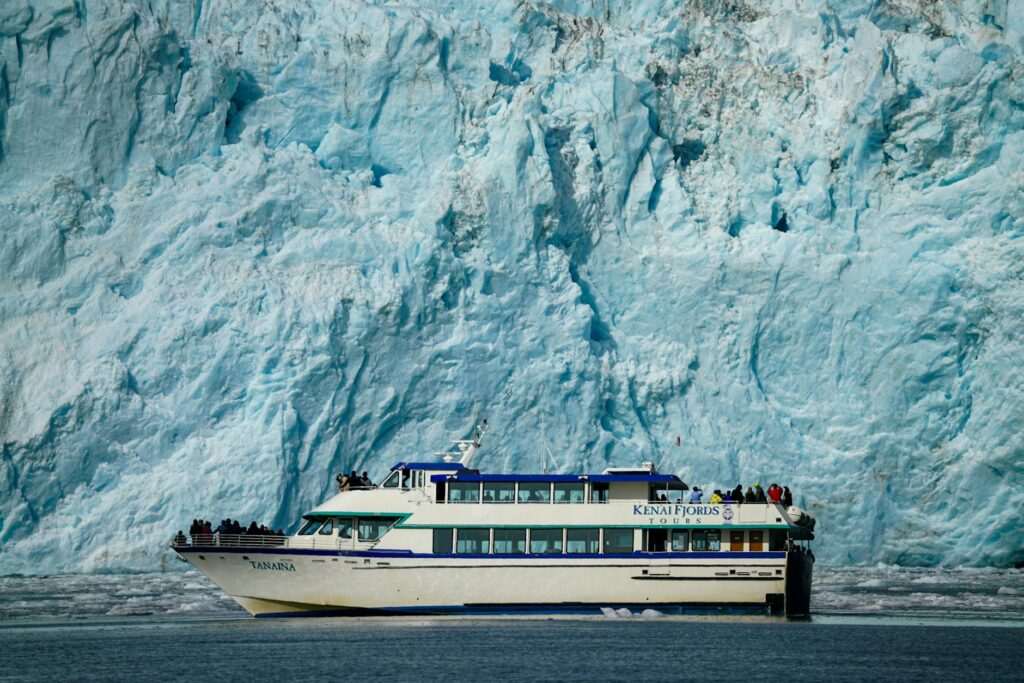
At 127 miles south of Anchorage and two and a half hours by car, Seward is the most rewarding single-day excursion available from Alaska’s largest city. The combination of scenery on the Seward Highway drive, the wildlife density in Kenai Fjords National Park, and the character of Seward’s small boat harbor creates a day with enough material for a week’s worth of photographs and a lifetime of stories. This is the practical guide to doing it well in 2026.
The Drive: Seward Highway and What to Stop For
The Seward Highway is not just a way to get somewhere — it’s a designated National Scenic Byway and one of the more dramatic highway drives in the United States. From Anchorage, the road follows the eastern shore of Turnagain Arm, a narrow fjord arm known for producing one of the world’s most powerful bore tides: a wall of tidal water that can rise several feet and rolls visibly up the arm at predictable times each day. Pullouts at Beluga Point and Bird Creek offer views of the bore tide if your timing aligns with the tidal schedule — check the local tide charts before you leave. Dall sheep are regularly visible on the cliffs above the highway between Anchorage and Portage.
At Portage, the valley opens dramatically toward the Chugach Mountains and Portage Glacier. This is worth a brief stop if you haven’t seen it — the glacier-fed lake and the peaks above the valley constitute a genuinely impressive landscape even from the road. Past Portage, the highway turns south through Moose Pass, a small community on Summit Lake with a general store and one of the most photographed highway scenes in Alaska. The final approach to Seward drops through forested coastal terrain before delivering you to Resurrection Bay.
Kenai Fjords National Park: The Boat Tour Experience
Everything on this day trip builds toward or away from the boat tour, and the boat tour is the reason to make the drive. Kenai Fjords National Park protects a section of Alaska’s Gulf Coast that is otherwise inaccessible — a fjord system with active tidewater glaciers, sea otters rafting in the protected bays, harbor seals hauled out on ice floes, Steller sea lions on rocky outcrops, and a birdlife density that includes horned and tufted puffins, kittiwakes, common murres, and marbled murrelets in numbers that would stop any birder cold. Orca pods transit the Sound regularly in summer, and humpback whales feed in the protected waters near the glaciers.
Major Marine Tours and Seward Ocean Excursions both operate full-day and half-day tours from Seward’s harbor. The full-day option reaches the outer fjords and the tidewater glaciers where calving events — chunks of ice breaking off the glacier face into the bay — are most likely. Half-day tours stay in the more protected inner waters and still deliver excellent wildlife encounters. For a day trip from Anchorage, plan arrival in Seward by 11 AM at the latest for an afternoon tour departure, or by 8 AM for a morning tour that gives you more town time afterward.
Book boat tours in advance — summer tours sell out weeks ahead, particularly on weekends and holiday weeks in July. Cancellation policies are weather-dependent; most operators provide refunds or rescheduling for genuine weather cancellations, but calm weather is the norm rather than the exception in Seward’s protected bay.
Exit Glacier: A Walk to the Ice
Exit Glacier, nine miles from downtown Seward via the Exit Glacier Road, is the most accessible tidewater glacier outlet in Kenai Fjords National Park — and one of the only places in Alaska where you can walk to the face of an active glacier on a paved, wheelchair-accessible trail. The lower nature trail to the glacier face takes about 20 minutes round-trip from the parking area and puts you within a regulated safe distance of active blue ice. Historical markers along the trail document the glacier’s retreat over decades — the visual evidence of how much ground the ice has lost since the 1800s is striking.
For serious hikers, the Harding Icefield Trail climbs from the glacier valley to a viewpoint above the icefield that feeds 40 different glaciers across the Kenai Peninsula. The trail gains roughly 3,000 feet over 8 miles and takes most parties six to eight hours round-trip. This is not a casual day-trip addition — it’s a full-day commitment in itself, and one best reserved for visitors who are specifically there for the hiking rather than the boat tour. For a Seward day trip with a boat tour, the lower glacier trail is the right call.
Seward Town: The Harbor, the SeaLife Center, and Resurrection Bay
Seward’s small boat harbor is worth more than a parking-lot glance. The working harbor mixes commercial fishing vessels, charter boats, and tour operators in a configuration that still feels genuinely Alaskan rather than tourist-optimized. The harbor boardwalk has food and gear options, and the views of Resurrection Bay — a glacially carved fjord — are available from anywhere along the waterfront.
The Alaska SeaLife Center is Seward’s most distinctive shore-side attraction: a marine research and rehabilitation facility that doubles as a public aquarium. The Center houses Steller sea lions, harbor seals, seabirds, and a variety of Alaska marine life in exhibits that reflect the Center’s active research mission rather than a purely commercial aquarium model. The touch tanks and the deep-water exhibit are particularly good. Budget 90 minutes to two hours. The Center is also where injured marine wildlife from across the region is brought for rehabilitation — you may be watching animals that were rescued from oil spills, boat strikes, or entanglement.
If you want to paddle rather than ride a boat, Liquid Adventures Kayak Company offers guided sea kayak tours from the harbor, including options that get into sheltered coves with wildlife viewing from the water level rather than the deck of a tour boat.
Bear Creek Winery: The Stop Nobody Expects
Bear Creek Winery, a few miles north of Seward on the Seward Highway, is a genuine Alaska oddity — a working winery producing wines from local fireweed, crowberry, rhubarb, and other Alaska botanicals alongside fruit wines, operating in a setting that is more homestead than Napa Valley tasting room. The wines are unconventional and interesting rather than conventionally excellent, and the stop makes for a conversation-worthy addition to the day if you’re driving back to Anchorage in the late afternoon. It’s the kind of place that exists because Alaska has enough characters willing to do unusual things with local ingredients and see what happens.
Practical Planning: Timing, Booking, and What to Bring
The best window for a Seward day trip is June through August, with late June and July offering the most reliable combination of weather, wildlife activity, and boat tour availability. May is shoulder season — boat tours run, but wildlife is less predictable and the weather is colder and wetter. September remains beautiful for the drive and accessible for the glacier, but most boat tours reduce frequency after Labor Day.
Boat tours are the hard constraint to plan around. Book before you leave Anchorage, not when you arrive in Seward. Full-day tours typically depart around 11:30 AM; half-day tours have morning and afternoon departures. If your priority is maximizing tour length, take the morning departure, which gets you off the water in time for the Alaska SeaLife Center and dinner before driving back.
What to bring: dress for 15–20°F colder than Anchorage, even in July — Resurrection Bay and the open fjords are cold, and wind on a boat makes it colder. Waterproof outer layers and non-cotton base layers are standard. Seasickness is real for some visitors; bring medication if you’re susceptible and take it before you board. Binoculars are worth every ounce on a wildlife boat tour.
For food in Seward: Ray’s Waterfront at the harbor is the most reliable choice for fresh Alaska seafood in a setting that matches the surroundings — the halibut and salmon are consistently good and the harbor view earns its table. Chinooks Waterfront is the other well-established option in town. Both get busy on summer weekends; consider eating before your tour rather than counting on a post-tour table.
The Alaska Railroad runs a Seward service from Anchorage that is worth considering if you’d rather not drive — the train runs seasonally in summer, passes through the same Seward Highway scenery, and drops you directly at the Seward harbor. The schedule constrains your timing, but it removes the driving and adds a distinctly Alaskan travel experience in its own right.
Day Trip vs. Overnight: The Honest Comparison
A day trip works. You can cover the boat tour, Exit Glacier, the SeaLife Center, and dinner in a long summer day, and arrive back in Anchorage by 10 PM with full daylight most of the way. The drive back after a full Kenai Fjords day requires alertness — factor in the driving time honestly if you’re tired after an active day.
Overnight opens the experience considerably. Seward is quieter in the evening after the day-trippers leave, and having a morning start means you can take the early boat tour departure, hike the lower Harding Icefield Trail in the afternoon, and still have the town to yourself for dinner. For visitors with more than a week in Alaska, staying one night in Seward and treating it as a base for the Kenai Fjords experience is the better call. For visitors with a single free day, the day trip is entirely sufficient.
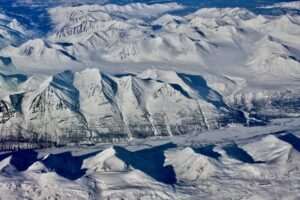
Featured photo by Yuanpang Wa on Pexels.
No comments yet.