
Midnight Sun in Anchorage 2026: What to Expect & Best Summer Activities
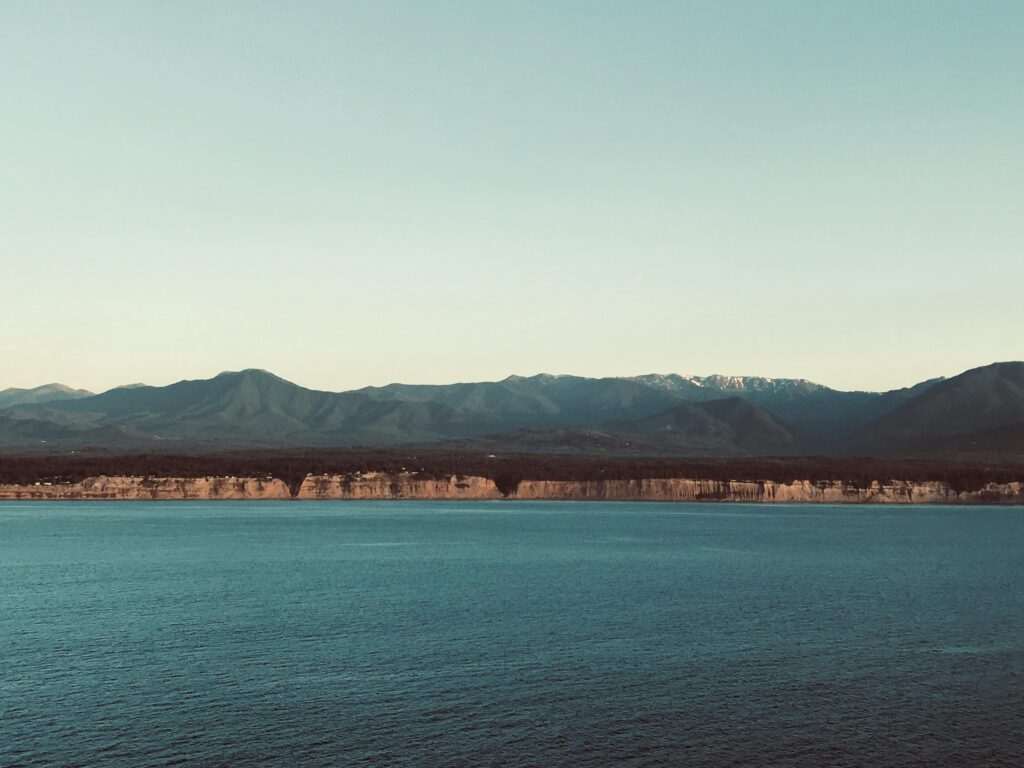
On June 21, 2026, the sun rises in Anchorage at 4:20 a.m. and sets at 11:42 p.m. — 19 hours and 22 minutes of daylight. But the actual experience of an Anchorage summer goes beyond the numbers: the sky never fully darkens, a pale glow persisting through the brief “night” hours, and the combination of long light and warm-ish temperatures transforms how the city uses its outdoor spaces. Restaurants fill at 9 p.m. Hikers reach Flattop at midnight. A baseball game goes nine innings under a sky that looks like late afternoon. This guide covers what the midnight sun is like in Anchorage, how to prepare, and what to do with all that light.
Understanding the Midnight Sun: Daylight by Month
Anchorage doesn’t experience true 24-hour darkness-free days the way Barrow or Fairbanks does — it sits at 61° north latitude, which delivers extreme but not absolute summer light. Here’s what to expect across the peak season:
- June 1: ~18.5 hours of daylight. Sun sets around 11:30 p.m., civil twilight continues until after midnight.
- June 21 (solstice): ~19 hours 22 minutes of daylight. The peak. Sky never reaches full darkness — astronomical twilight persists through the brief “night.”
- July 4: ~19 hours of daylight. Still extraordinary — fireworks launch into a sky that glows deep blue rather than true black.
- August 1: ~17 hours of daylight. Light quality shifts toward a longer, warmer golden hour that photographers chase all day.
- September 1: ~14 hours of daylight, roughly equivalent to early June in the lower 48. Feels normal again.
The practical implication: your body’s sleep cues stop working. The sky that signals 7 a.m. to your circadian rhythms looks identical to the sky at 11 p.m. First-time visitors often find themselves energized at midnight, hungry again at 10 p.m., and genuinely confused about the time without checking a phone.
Sleep and Adjustment: What Actually Helps
Blackout curtains or a quality sleep mask are the single most useful packing items for an Anchorage summer visit. Most hotels provide blackout curtains, but they’re rarely perfect — a travel sleep mask ensures you can create darkness regardless of window quality. Melatonin can help recalibrate sleep timing during the first two to three nights. Earplugs are less essential than expected; the midnight sun brings ambient activity sounds (birds, pedestrians, traffic) into hours that are silent at home, but most urban visitors adapt quickly.
Some visitors deliberately stop fighting the light and lean into it — sleeping less but sleeping well when they do, using the extended daylight for hiking and outdoor activities that wouldn’t be possible at home after work. A midnight hike on the Flattop Mountain Trail in golden-hour light is one of those experiences that doesn’t translate to photographs.
Solstice Events: June 21 and Around
The summer solstice triggers a cluster of Anchorage events that lean into the phenomenon explicitly. The Downtown Anchorage Summer Solstice Festival 2026 brings outdoor performances, food vendors, and community celebration to the downtown core around June 21. The Sundown Solstice Festival is a dedicated outdoor music event timed to the solstice — the name being something of a joke, since sundown barely happens. Both are free to attend and fill the outdoor spaces with the particular energy of an Anchorage summer crowd that knows what it has.
The Mayor’s Midnight Sun Marathon in June is one of Alaska’s largest running events — a full marathon, half marathon, and relay that courses through downtown and the Coastal Trail in June daylight. Spectating along the downtown course is free, festive, and a genuine piece of Anchorage summer culture even for non-runners.
Late-Night Activities Worth Planning Around
Midnight Hiking
The Flattop summit hike and Kincaid Park are both active late into summer evenings — hikers summit Flattop at 10 or 11 p.m. in conditions that look like mid-afternoon. The light on the Chugach peaks and Cook Inlet from Flattop’s summit at 11 p.m. in mid-June is exceptional. The Tony Knowles Coastal Trail is heavily used into the late evening by cyclists, runners, and walkers taking advantage of the light. None of these feel unusual — they’re part of how Anchorage residents use their summers.
Midnight Sun Baseball
The Anchorage Midnight Sun Baseball Classic is an annual game played without artificial lights on the night closest to the summer solstice — the game starts at 10:30 p.m. and finishes under a sky that never gets darker than deep blue twilight. It’s been running since 1906 and is one of the more distinctive sporting events in the country. Tickets are modestly priced and available at the gate.
Midnight Sun Golf
The Anchorage Golf Course takes full advantage of the long light, running tee times late into summer evenings. Playing a round of golf at 9 or 10 p.m. under a sky that looks like late afternoon is one of those mildly absurdist Alaska summer experiences worth doing once.
Evening Markets and Live Music
The Live After Five Concert Series brings outdoor performances to downtown Anchorage on summer evenings — events that start at 5 p.m. and run into the bright evening hours. The Sunset Market & Music is a misnomer: the sun doesn’t set at normal market hours in June and July, which gives the outdoor atmosphere an unusual sustained warmth that indoor or evening-in-darkness venues can’t replicate. Finish the evening at Midnight Sun Brewing Company, whose name is finally on-brand in July.
Best Months for Midnight Sun
June is the peak — maximum daylight, solstice events, and the city at its most collectively energized. The trade-off is that June also brings the most rain and the coolest average temperatures of the summer season. July delivers nearly as much light with better weather odds and warmer temperatures. August shifts the light quality toward longer golden hours and dramatic evening photography conditions, with temperatures peaking for the year. Each month offers a distinct version of the same phenomenon; if you’re choosing based purely on light, book June. If weather and warmth matter, July and August are more reliable.
Featured photo by Stephen Meyers on Pexels.

No comments yet.