
Matanuska Glacier Trek from Anchorage 2026: Complete Day Trip Guide
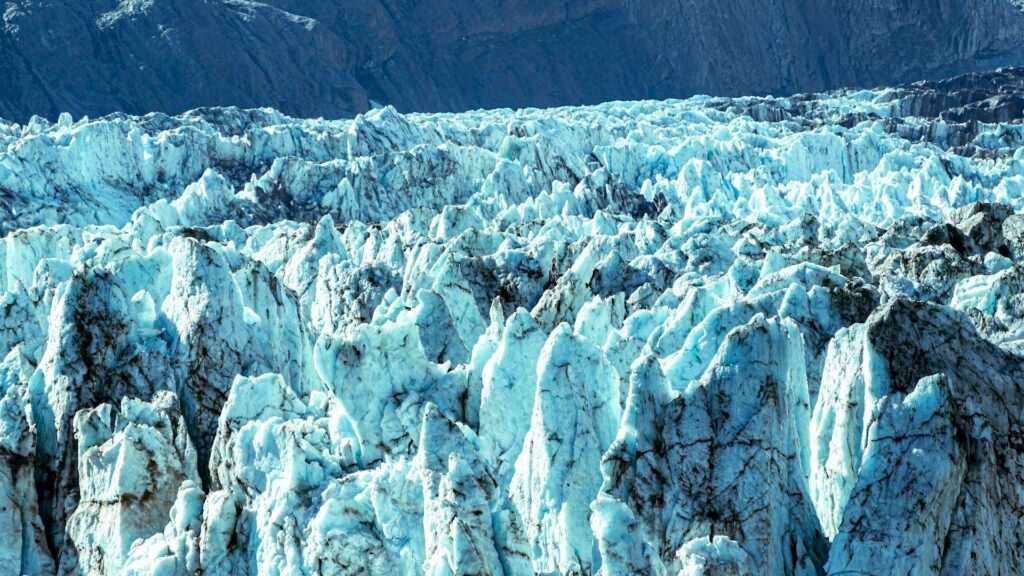
A Matanuska Glacier tour from Anchorage, Alaska ranks among the most unforgettable day trips in the entire state. You do not need to fly to a remote bush camp or hire a bush pilot — the largest glacier accessible by road in the United States sits just 100 miles northeast of downtown Anchorage, roughly a 2.5-hour drive along one of the most scenic highways in Alaska. In 2026, multiple licensed operators run guided ice treks suitable for first-timers and seasoned adventurers alike.
Getting to Matanuska Glacier from Anchorage
Head north out of Anchorage on the Glenn Highway (AK-1). The drive itself is worth the trip — you will pass through Eagle River, cross the Knik River flats, roll through the Matanuska-Susitna Valley, and watch the mountains close in as you approach Glacier Park Road near Mile 101. Plan for about 2 hours 15 minutes to 2 hours 45 minutes depending on the season. Summer weekends can add 20–30 minutes through the Palmer corridor, so depart Anchorage by 7:00 or 8:00 a.m. to beat day-tour traffic and maximize your time on the ice.
If you prefer company over a solo drive, several Anchorage tour companies offer shuttle departures from downtown hotels, typically leaving around 7:30 a.m. and returning by 6:00 or 7:00 p.m.
Why You Need a Licensed Guide
The Matanuska Glacier rests on private property. You cannot simply walk onto the ice — every visitor must enter through one of the licensed operators who hold access agreements with the landowners. Do not attempt to bypass the fee stations or access the ice on your own. Beyond being trespassing, unmarked crevasses and unstable seracs make unguided glacier travel genuinely dangerous.
The three main access points for 2026 are:
- MICA Guides — One of the most respected names on the glacier, MICA offers everything from 2-hour basic ice walks to full-day ice climbing and crevasse exploration. Their base camp sits near Mile 102, with guided groups of eight or fewer.
- Nova Guides (Nova River Runners) — Nova has been operating on Alaska rivers and glaciers since the 1970s. Their glacier program pairs ice trekking with optional same-day rafting on the Chickaloon River, making for an epic combined adventure.
- Matanuska Glacier Park (Glacier Park LLC) — The oldest commercial access point at Mile 101. They offer guided walks and also permit self-guided access into a defined safe zone for experienced visitors who want more independence.
Tour Options: What to Expect in 2026
Basic Ice Walk (2–3 hours on the glacier): Most popular for first-timers. Your guide fits you with crampons at the base camp, explains crampon technique and ice reading, then leads you across the terminal moraine and out onto the glacier surface. You will walk among moulins (ice shafts), past blue meltwater pools, and around pressure ridges. No prior glacier experience is needed. Physically, this is equivalent to a moderate hiking pace on uneven terrain — if you can hike a trail like the Flattop Mountain Trail, you can handle a basic ice walk.
Intermediate Half-Day (4–5 hours): Includes rope technique, basic crampon climbing on steeper ice faces, and exploration of crevasse edges. Guides also demonstrate ice axe arrest skills. Minimum age is typically 12–14 depending on operator. Physical fitness matters here — expect your legs to feel the sustained cold-ground impact.
Full-Day Ice Climbing (6–8 hours): For those who want to top-rope a genuine ice wall. MICA Guides in particular runs excellent full-day programs where participants make 6–10 assisted ice climbing pitches. All technical gear — crampons, ice axes, harnesses, helmets, and ropes — is provided by the guide service.
What to Wear and Bring
Even in July, the glacier surface hovers near freezing. Dress in layers regardless of the Anchorage forecast:
- Moisture-wicking base layer (no cotton)
- Insulating mid-layer (fleece or light puffy)
- Wind and waterproof outer shell
- Warm hat and gloves (even in summer)
- Sturdy lace-up hiking boots with ankle support — guides attach crampons over your footwear, so avoid low-cut trail runners
- Sunglasses rated for glacier glare
- 2 liters of water and snacks for the day
Weight limits vary by operator — confirm directly if this is a concern, but most programs accommodate guests up to approximately 250–275 lbs.
Combining Your Glacier Day with Other Stops
The Glenn Highway corridor has enough to fill two days if you have flexibility.
Palmer: Forty miles from Anchorage, Palmer is Alaska’s agriculture heartland — the Valley Visitor Center, historic Colony Inn, and lively Vagabond Blues coffee shop make a worthy 30-minute stop each way. The Alaska State Fair runs here every August–September.
Chickaloon River Rafting: Nova Guides offers same-day glacier-plus-raft combo packages. After your ice walk, drive a few miles to the Chickaloon put-in for a Class II–III float through a glacier-carved canyon. The combination is one of the best adventure-per-dollar packages in the state.
Sheep Mountain Lodge: At Mile 114, this iconic roadhouse has served Glenn Highway travelers since 1946. Stop for pie and hot coffee on the return — the mountain views from the deck are spectacular.
Back in Anchorage, consider capping the day with a hike closer to the city. Trails throughout Chugach State Park give you a different alpine perspective after a day on the flat glacier surface, or the lower-key Tony Knowles Coastal Trail is a gentle evening leg-stretch along the Cook Inlet shoreline.
Best Months to Visit
The glacier is accessible from approximately May through October, with the sweet spot running June through August. July and early August offer the warmest temperatures, longest daylight hours (up to 19 hours of usable light), and the most dramatic meltwater features. May and September visits are quieter and often less expensive, but the moraine approach can be muddier and temperatures cooler.
Avoid booking the week immediately after a heavy rain — the moraine approach can be slippery and operators may limit access. Check directly with your guide service 24–48 hours before your trip.
Booking and Practical Tips for 2026
- Book in advance. MICA Guides and Nova are well-known; summer spots fill by April. Check operator websites in February–March for early-season slots.
- Prices typically range from $100–$165 per person for a basic ice walk, $175–$250 for half-day climbing programs, and $275–$350+ for full-day ice climbing.
- Cell coverage drops significantly past Palmer. Download offline maps (Google Maps, Gaia GPS) before you leave Anchorage.
- Gas up in Palmer or Sutton — fuel options thin out after Sutton on the Glenn.
- Children — most basic ice walks accept ages 5 and up with a signed waiver. Confirm minimum ages with your operator at booking.
The Matanuska Glacier is one of those places that genuinely exceeds expectations. Standing in a meltwater canyon with cerulean-blue ice walls rising on both sides, 100 miles from a city of 300,000, is an experience that does not exist anywhere else in the world quite like it does here. Make the drive.
Featured photo by Aaron Houston on Pexels.



No comments yet.