
Inline Skating & Roller Skating in Anchorage 2026 — Coastal Trail & Parks
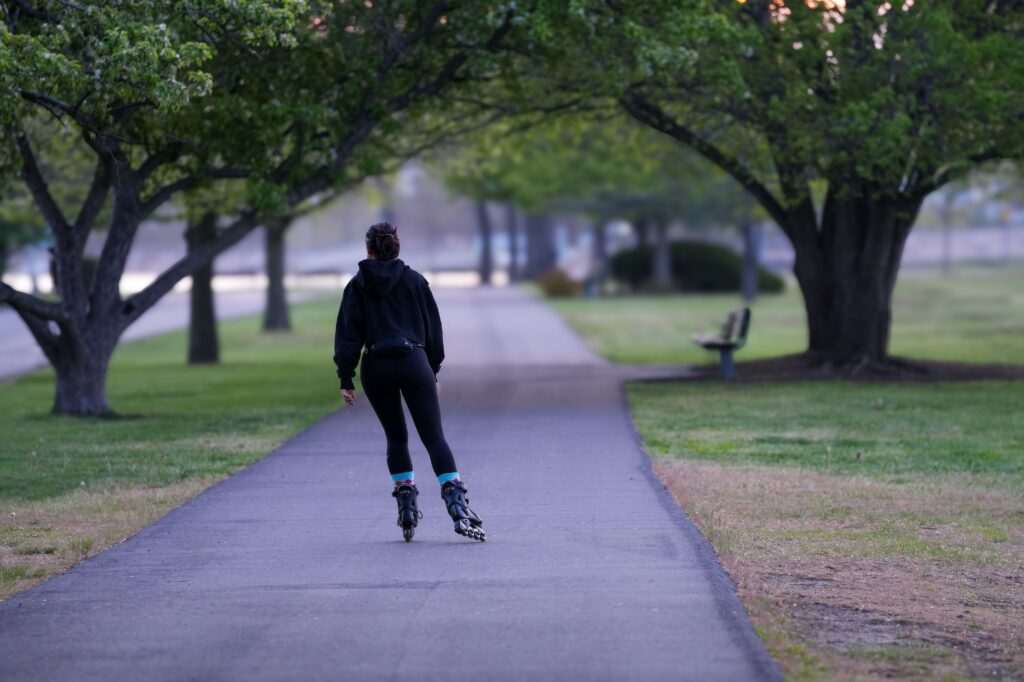
Anchorage has something most cities its size can’t claim: over 120 miles of paved trails running through forests, along the coastline, and through creek valleys — and in summer, those trails fill with inline skaters. The Tony Knowles Coastal Trail alone covers 11 miles of smooth pavement along Cook Inlet, with views of the Alaska Range and occasional Denali sightings on clear days. If you’re looking to skate with a view, Anchorage delivers. Here’s where to go, what to bring, and how to make the most of it in 2026.
Tony Knowles Coastal Trail: Anchorage’s Premier Skating Route
The Tony Knowles Coastal Trail is the undisputed centerpiece of Anchorage inline skating. The trail runs 11 miles of well-maintained paved path from the Elderberry Park entrance near downtown, south along Cook Inlet’s shoreline, past Westchester Lagoon, through Point Woronzof, and all the way to Kincaid Park. The surface is consistently smooth, wide enough for skaters and pedestrians to share comfortably, and almost completely flat — a rare combination that makes it suitable for beginners and experienced skaters alike.
What sets it apart is the scenery. The Cook Inlet side of the trail overlooks the inlet’s broad mudflats, with the Alaska Range and Mt. Susitna across the water. On clear days — which are common June through August — Denali is visible to the north, the highest peak on the continent rising above everything else. Moose regularly browse the spruce forest on the inland side of the trail. Skating this route in the long summer light (sunset after 11pm in June) is genuinely extraordinary.
The out-and-back route is 22 miles total, which is a full-day skate for most people. Many skaters do shorter segments — downtown to Westchester Lagoon and back (about 4 miles) is a popular quick loop, while downtown to Point Woronzof (about 8 miles round trip) gives you the best coastal views without the full commitment.
Westchester Lagoon: A Scenic Midpoint
Westchester Lagoon sits roughly midway along the coastal trail section between downtown and Point Woronzof, making it a natural rest stop and turnaround point for skaters who don’t want to go the full length. The lagoon itself is a bird habitat with waterfowl visible almost year-round, and the surrounding area has benches, restrooms (seasonal), and good views of the inlet and mountains. It’s also a popular starting point for skaters who want to avoid the downtown trailhead crowds on peak summer weekends.
Kincaid Park Paved Loops
Kincaid Park sits at the south end of the Coastal Trail and offers a different skating experience: paved loops through boreal forest and along coastal bluffs, with more elevation change than the flat coastal trail. The park’s paved road and path network adds several miles of skating to a Coastal Trail session and includes some of Anchorage’s best viewpoints over Cook Inlet toward the Chugach, Tordrillo, and Alaska Ranges.
Kincaid’s paths are narrower in some sections and share space with cyclists and pedestrians — stay right and call out when passing. The park also connects back to the Coastal Trail, so a loop from downtown through the trail and returning via Kincaid’s interior is a full-day outing of 25+ miles.
Chester Creek Trail and the Greenway Network
If you’re looking for a skating route away from the coast, the Chester Creek Trail runs 5.5 miles east-west through the heart of Anchorage from the Coastal Trail to Russian Jack Springs Park. It’s a shaded, wooded corridor following Chester Creek through the city — a good option when the Coastal Trail is crowded or when afternoon wind off the inlet makes the open coastal route less pleasant.
The Chester Creek Trail connects into the broader Campbell Creek Greenway, giving inline skaters access to a connected network of paved paths across the entire city. Many Anchorage residents use the greenway network for commuting on skates — you can travel significant distances across town without touching a road.
Where to Rent Inline Skates in Anchorage
Inline skate rentals in Anchorage are less widely available than bicycle rentals, but a few options exist:
- Pablo’s Bicycle Rentals — one of Anchorage’s established trail-adjacent rental operations; primarily bikes but worth calling ahead to confirm current inline skate availability, as rental inventory changes seasonally
- Downtown Bicycle Rental, Sales and Repair — downtown location convenient to the Coastal Trail trailhead; call ahead to check for inline skate or protective gear rentals
- Sporting goods stores: REI (Northern Lights Boulevard) and local Alaska Mountaineering and Hiking carry inline skates and protective gear for purchase. If you’re staying multiple days, buying a budget pair is often more economical than daily rental rates
What to Wear and Bring
- Helmet: Required for riders under 16 by ordinance; strongly recommended for adults, especially beginners — the trail’s paved surface is unforgiving in a fall
- Wrist guards and knee pads: Essential for beginners; optional for experienced skaters but genuinely useful on the Kincaid Park sections with more elevation change
- Layers: Even in July, wind off Cook Inlet on the Coastal Trail can feel cool at skating pace — bring a light windbreaker you can tie around your waist
- Water: There aren’t many water sources along the Coastal Trail; carry at least 16oz per person for a session longer than 2 hours
- Bear spray: Moose are the more common encounter on the Coastal Trail and Chester Creek (aggressive moose are a real hazard in spring), but bear spray is smart for Kincaid Park’s interior forest sections
- Phone with offline maps: Cell service is patchy in Kincaid Park’s interior; download the Anchorage trail map before you go
Wildlife on the Trail: What to Expect
Moose are regularly spotted on the Tony Knowles Coastal Trail, particularly in the spruce forest sections between Westchester Lagoon and Point Woronzof. If you encounter a moose on the trail, slow down and give it space — moose are large, fast, and can be aggressive, particularly cows with calves in May and June. Don’t try to skate around a moose that’s standing in the path; wait for it to move or detour through the forest margin.
Beluga whales occasionally appear in Cook Inlet just off the Coastal Trail, visible from the bluff sections above the mudflats. Eagles, great blue herons, and shorebirds are common along the entire route.
Best Season and Trail Conditions
The inline skating season on Anchorage’s paved trails runs mid-May through September. Trail crews clear snow and ice by late April on the Coastal Trail, with most of the network open by mid-May. June, July, and August offer the most reliable conditions — dry pavement, long days, and the highest probability of clear skies for mountain views. September is generally rideable but brings more rain and shorter daylight; trail sections through Kincaid’s tree cover can stay wet for days after a rain event.
Check the Municipality of Anchorage Parks & Recreation website or the Anchorage Parks & Recreation app for current trail maintenance status before long sessions. The Coastal Trail closes for short stretches in spring when sections need repaving — these closures are typically less than a week and well-signed.
Tips for Inline Skating in Anchorage
- Start at Elderberry Park (downtown end) or Westchester Lagoon for the best Coastal Trail access with parking
- Weekend mornings (before 9am) have the lightest pedestrian traffic and the best light for views
- Stay right on the trail and call “on your left” when passing pedestrians — the trail sees heavy multi-use traffic on summer weekends
- The Coastal Trail’s surface is excellent but watch for occasional sand patches that blow in from the beach access points; sand on pavement is slippery on inline skates
- Trail restrooms are available at Earthquake Park, Westchester Lagoon (seasonal), and Kincaid Park — plan your hydration and stops around these
Frequently Asked Questions
Is the Tony Knowles Coastal Trail good for beginner inline skaters?
Yes — it’s one of the best beginner inline skating routes in Alaska. The surface is smooth and well-maintained, the trail is almost entirely flat, and the wide path gives beginners room to maintain their lane without feeling rushed by faster users. The 11-mile one-way distance means you can turn around at any point, making it easy to skate exactly as far as you’re comfortable with.
Are there inline skate rentals near the Coastal Trail?
Inline skate rentals are less common in Anchorage than bicycle rentals. Pablo’s Bicycle Rentals and Downtown Bicycle Rental are the most likely options near the Coastal Trail, but availability varies by season — call ahead before making the trip. If you’re planning to skate multiple days, purchasing skates at REI or a local sporting goods store may be more practical than hunting for rentals.
Can I skate the Coastal Trail year-round?
The trail is only suitable for inline skating from roughly mid-May through September, when it’s clear of snow and ice. In winter, the Coastal Trail is used for cross-country skiing, fat biking, and snowshoeing — not inline skating. Kincaid Park grooms its trail network for skiing in winter, so the surface is actively maintained for snow sports rather than cleared for pavement access.
What’s the best time to see Denali from the Coastal Trail?
Denali is visible from the Coastal Trail on clear days, most often in June and early July before summer haze builds up. The best viewing windows are morning (before 10am) and evening (after 7pm) when atmospheric clarity is highest. The clearest views come after a cold front passes through — if Anchorage has had a rainy week, the day after the rain clears often has exceptional visibility all the way to Denali, 130 miles to the north.

No comments yet.