
Homer Alaska Day Trip from Anchorage: 2026 Complete Guide
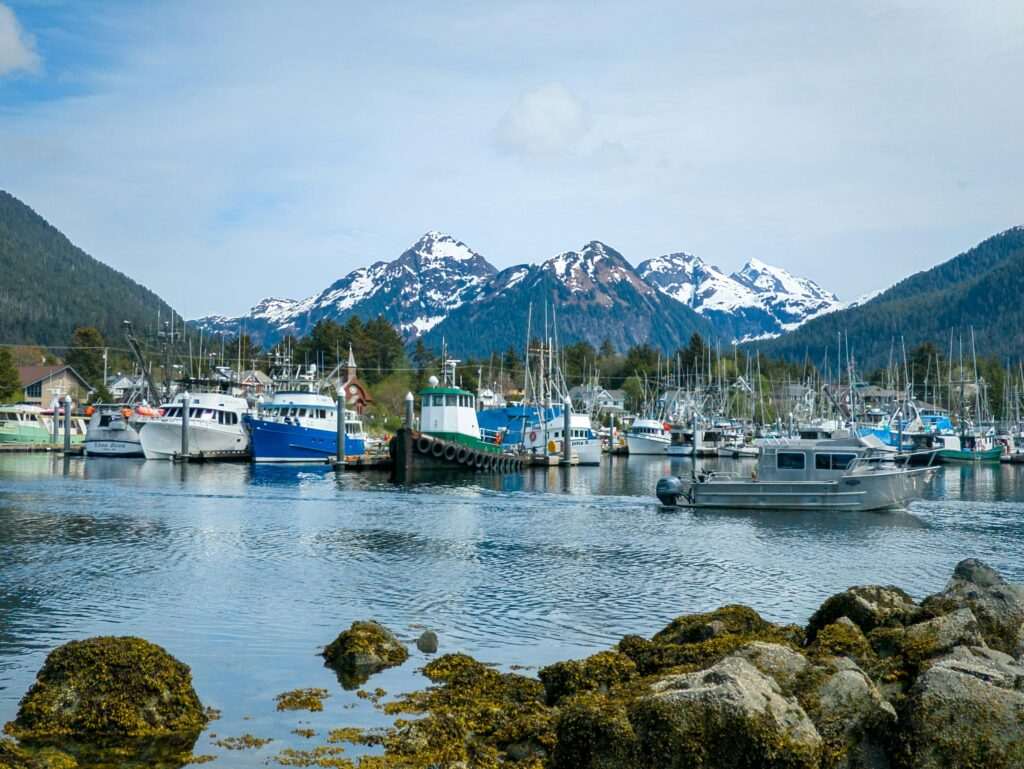
Homer sits at the southern tip of the Kenai Peninsula, 226 miles from Anchorage on the shore of Kachemak Bay. Known as the “Halibut Fishing Capital of the World,” the town is worth the drive for far more than fishing — a distinctive arts scene, a famous spit jutting four miles into the bay, fresh Alaska seafood, and access to wild Kachemak Bay State Park make Homer one of Alaska’s most rewarding destinations. The drive takes 4.5–5 hours each way, making this better suited to an overnight stay than a pure day trip, but both are doable with planning.
Getting There from Anchorage
The route follows the Seward Highway south from Anchorage along Turnagain Arm — one of Alaska’s most dramatic stretches of road, with views of the Chugach Mountains and bore tides rolling across the inlet. Keep an eye on the water at pullouts between Anchorage and Portage: a small population of beluga whales hunts for fish near Turnagain Arm’s bore tides, and white shapes moving just below the surface are a regular summer sighting from roadside pullouts. Dall sheep are often visible on the cliffs above the highway as well. At Tern Lake Junction, you pick up the Sterling Highway heading southwest toward the Kenai Peninsula and eventually Homer. En route, consider a stop at the Alaska Wildlife Conservation Center near Portage, or the Portage Glacier cruise for an extra hour of scenery. Gas up in Soldotna — prices climb as you approach Homer and services thin out along the highway.
The Homer Spit
The Homer Spit is the defining feature of town: a narrow, 4.5-mile gravel bar extending into Kachemak Bay that holds charter boat offices, a working harbor, fish processors, RV campgrounds, and a string of restaurants and shops. Walk the boardwalk past fish buyers and outdoor seafood stands. The Salty Dawg Saloon — a rough-hewn log structure plastered with business cards and dollar bills — has been serving fishermen and travelers since the 1950s and remains an essential Homer stop. The Spit is busiest from June through August during peak fishing season; expect boats coming and going all morning with the day’s catch.
Halibut Fishing
Homer is the undisputed halibut charter capital of Alaska. The fishery on Kachemak Bay and Cook Inlet produces some of the largest halibut in the world — fish exceeding 100 pounds are caught regularly, and 200-pounders are not unheard of. Half-day charters run roughly 6 hours and cost approximately $250–$300 per person; full-day charters (8–10 hours) run $300–$400 and access deeper grounds with larger fish. Most operators offer fish processing and vacuum sealing on the Spit at an additional cost. Book well in advance — popular charters fill their summer calendars months out, with July slots going first. If you’re planning a 2026 trip, secure your reservation by early spring.
Kachemak Bay State Park
Directly across the bay from the Spit lies Kachemak Bay State Park, accessible only by water taxi or floatplane. The park offers world-class hiking, kayaking, and wildlife viewing: puffins, sea otters, Dall’s porpoise, and mountain goats are all regulars. The Grewingk Glacier Trail is a standout, offering views of an active tidewater glacier and surrounding peaks. Water taxis depart from the Spit regularly in summer; the crossing takes about 20 minutes and costs around $30–$40 each way. A half-day in the park can be combined with a Homer visit, but budget your time carefully — the crossing and hiking add several hours to an already long day from Anchorage.
Arts, Food, and Culture
Homer has a creative, independent character that sets it apart from other Alaska fishing towns. The Bunnell Street Arts Center is a nonprofit gallery in a historic building at the base of the Spit showing Alaska artists year-round. The surrounding area has a concentration of working studios, galleries, and independent bookshops worth an afternoon browse. For food on the Spit, multiple spots serve fresh halibut fish and chips, Dungeness crab, and seafood chowder. Alaska king crab by the pound is available during season. Several well-regarded restaurants on the main road into town offer sit-down dining with Kachemak Bay views — reservations recommended in July and August.
Islands & Ocean Visitor Center
Near the base of the Spit, the Islands & Ocean Visitor Center is operated by the Alaska Maritime National Wildlife Refuge and is free to enter. Exhibits cover Alaska’s seabird colonies — puffins, murres, kittiwakes — and the vast island network the refuge protects. It’s an easy 30-minute stop and provides useful context for what you’ll encounter on the water or across the bay.
Planning an Overnight
The 4.5–5 hour drive makes Homer genuinely difficult to do as a pure day trip — particularly if you want to fish, visit Kachemak Bay State Park, and take time on the Spit. A single overnight transforms the experience. Homer’s lodging runs the full range: chain hotels and independent motels on the main road into town, small inns on the Spit with bay views, and vacation rentals spread across the bluffs above Kachemak Bay. The bluff-top rentals offer unobstructed views across the water that are exceptional at any time of day. Book early for July — accommodations fill ahead of peak halibut season. If you’re arriving on a Friday in summer, expect the Spit to be crowded with weekenders from Anchorage and plan accordingly.
Practical Tips
- Plan an overnight: The drive alone is 9–10 hours round trip. One night in Homer makes the experience far more relaxed and worthwhile.
- Book charters early: July halibut charters fill months in advance. May, August, and September are more available but still require advance booking.
- Pack layers: Kachemak Bay weather is independent of Anchorage — foggy, windy, and cool conditions are common even in midsummer.
- Tide awareness: The Spit can flood during extreme high tides. Check conditions if camping or parking overnight at lower elevations.
- Adding Seward: If you’re spending multiple days on the Kenai Peninsula, the Alaska SeaLife Center in Seward is two hours from Anchorage and makes a strong second destination before or after Homer.


No comments yet.