
Blog: Stand-Up Paddleboarding in Anchorage 2026: Lakes, Bays & Where to Rent
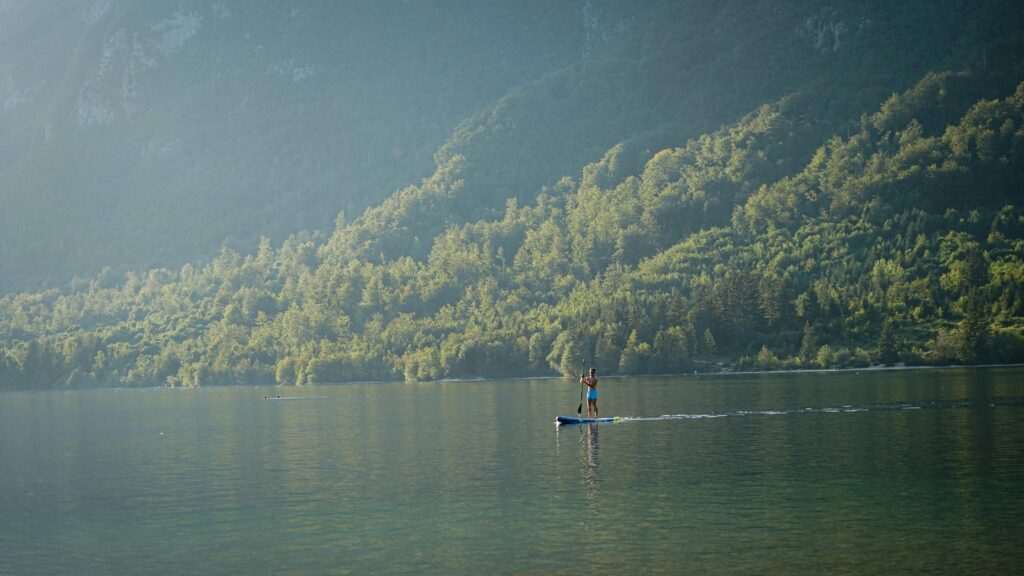
Stand-up paddleboarding has taken off in Anchorage faster than most outdoor sports in recent years. The city is well-suited to it: calm urban lakes sit within minutes of residential neighborhoods, longer glacier-backed lakes are a short drive away, and Alaska’s long summer days give paddlers light until nearly midnight. Whether you’ve never been on a board before or you’re looking for an adventurous coastal paddle, Anchorage offers more SUP options than most visitors expect.
Beginner-Friendly: City Lakes Within Anchorage
Three public lakes within Anchorage city limits offer ideal flat-water conditions for beginners and casual paddlers:
Goose Lake (near University Lake Park in midtown) is the most popular urban swimming and paddling lake in Anchorage. The lake is small enough to feel safe for new paddlers, has a sandy beach and easy shore access, and is surrounded by a park with parking and facilities. It gets crowded on warm summer afternoons — arrive early for calmer water and fewer boat wakes.
Jewel Lake in the Jewel Lake neighborhood on the southwest side is slightly quieter than Goose Lake and consistently flat-calm. The surrounding neighborhood is residential and peaceful, and moose sightings at the lake edge are common in early morning. The lake’s smaller size makes it forgiving for beginners learning to balance.
Cheney Lake in east Anchorage is another calm, accessible option with a small park and shoreline access. The lake sits in a birch forest setting that provides a pleasant backdrop and some wind protection. It is one of the least crowded of Anchorage’s urban lakes, making it a good choice for paddlers who want space to practice.
None of these lakes require permits for non-motorized watercraft. They are public parks with free access. Water temperatures peak around 60–65°F in July and August — cool enough to recommend a wetsuit for beginners who may fall in repeatedly while learning.
Intermediate: Eklutna Lake and Big Lake
Eklutna Lake, about 40 miles northeast of Anchorage off the Glenn Highway, is the marquee SUP destination in the region. The lake stretches more than 7 miles into a valley flanked by Chugach peaks, with the Eklutna Glacier visible at the head of the lake on clear days. Paddling the full length of the lake and back is a full-day commitment. Most paddlers do an out-and-back to the midpoint or explore the lake’s southern shoreline, which offers protected paddling and views of the glacier cirque above.
Wind on Eklutna Lake can develop quickly in the afternoon as valley air heats and flows. Start paddles in the morning when the lake is calm, and be prepared to turn back early if wind picks up. Water temperature here runs 45–55°F even in summer — a wetsuit is essential, not optional. The Chugach State Park trail system surrounds the lake; combining a morning paddle with an afternoon hike makes for a full-day outing.
Big Lake, in the Matanuska-Susitna Valley about 35 miles north of Anchorage, is a larger recreational lake with motorized boat traffic — making it less ideal for SUP than Eklutna but worth knowing for paddlers staying north of the city or exploring the Valley. Calmer conditions are found in the lake’s eastern bays away from the main motorboat corridors.
Advanced and Coastal: Knik Arm and Beyond
Coastal SUP in Southcentral Alaska demands specific preparation. Knik Arm — the tidal inlet that forms Anchorage’s western waterfront — has some of the most extreme tidal fluctuations in the world, with tides ranging up to 38 feet in the upper inlet. The mudflats exposed at low tide can trap paddlers quickly, and tidal currents create challenging and potentially dangerous conditions. Knik Arm coastal paddling is for experienced open-water paddlers only, with full knowledge of tidal tables and accompanied by local guides who know the conditions.
Bear Creek and the Fire Island area offer protected coastal paddling for experienced paddlers at the right tidal windows. These environments reward those with the skill and preparation to manage them, but are not appropriate for casual recreational paddling.
Where to Rent SUP Boards in Anchorage
SUP Alaska is the city’s dedicated stand-up paddleboard outfitter — offering board rentals, lessons for all skill levels, and guided SUP tours to Anchorage’s best paddling spots. For visitors who want an introduction to the sport or guidance on which locations suit their skill level, a lesson or guided tour here is the best starting point.
AK Paddlesports offers paddlesports instruction and gear, covering SUP alongside kayaking — useful for paddlers who want to compare the two or add skills. Alaska Outdoor Gear Rental is a general outdoor gear rental option that carries SUP boards among other equipment, and is convenient for visitors who want to self-guide the city lakes without booking a structured tour.
Boards can also be rented directly at Eklutna Lake on summer weekends through seasonal vendors at the lake’s day-use area — check availability ahead of time rather than assuming boards will be on-site.
Guided SUP Tours
Anchorage Kayak Adventures offers guided paddling experiences in and around Anchorage, including options that work well for SUP-curious visitors who want local knowledge on conditions, wildlife, and logistics. Guided tours are particularly valuable for first-time visitors to Eklutna Lake or for groups that want the glacier backdrop without the planning overhead.
Season, Conditions, and What to Wear
The SUP season in Anchorage runs from approximately mid-May through late September. Ice-out on city lakes typically occurs in late April to early May; Eklutna Lake runs slightly later. By Memorial Day weekend most urban lakes are fully accessible, and conditions are reliable through Labor Day. October paddling is possible for cold-water-prepared paddlers but daylight shortens rapidly and weather becomes less predictable.
Water temperature and wetsuits: Anchorage’s lakes and coastal waters are cold year-round. Even at peak summer, city lake temperatures top out around 60–65°F, and Eklutna runs 10–15°F colder. A 3mm wetsuit is recommended for all paddlers; a 4/3mm suit for Eklutna and coastal paddling. Dry suits are appropriate for the coastal environments. Hypothermia risk from a prolonged fall into cold water is real — always wear a personal flotation device.
Wildlife on the Water
SUP puts you at water level, which makes wildlife encounters more intimate than hiking. On city lakes, expect Arctic terns dive-bombing during nesting season (June–July) — they are aggressive defenders of territory and will strike paddlers who stray near nesting areas at the lake edges. Moose regularly appear at Jewel and Cheney Lake shorelines in early morning, sometimes wading into the shallows. On Eklutna Lake, Dall sheep are occasionally visible on the cliffsides above the water, and black bears have been spotted on the shoreline. Give all wildlife wide berth and do not approach from the water.


No comments yet.