
Chugach State Park Hiking Guide 2026: Anchorage’s Wild Backyard
Chugach State Park Is Anchorage’s Wild Backyard — And It’s Waiting
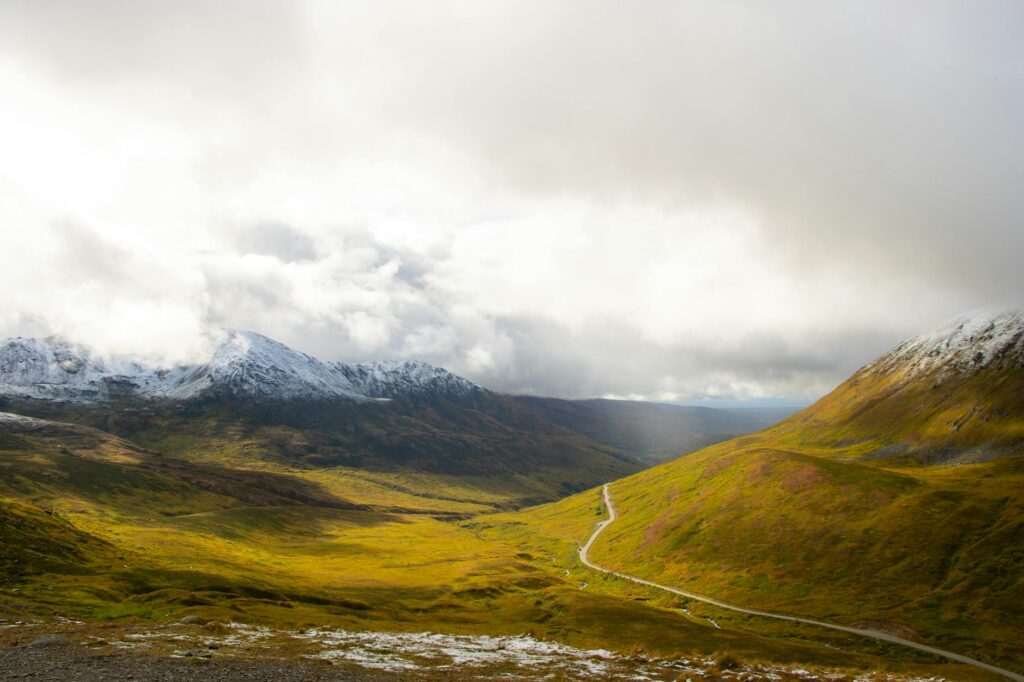
Alaska’s most-visited state park doesn’t require a long drive. Chugach State Park shares a border directly with Anchorage, which means you can be on a mountain trail within 30 minutes of your hotel. The park covers nearly 500,000 acres of the Chugach Mountains — and in summer, it opens up like nowhere else on the continent with this kind of city-adjacent access.
This guide covers the top summer hikes, where to access the park from Anchorage, what wildlife you’ll encounter, and what you need to know before you go in 2026.
Getting Into the Park: Access Points from Anchorage
Chugach State Park has several trailheads accessible directly from Anchorage, each offering a different experience depending on what you’re after.
Glen Alps Trailhead is the most popular entry point and the gateway to Flattop Mountain. It sits at 2,100 feet elevation, so you’re already above much of the treeline before you take your first step. Parking costs $5/day (or $60 for an annual Alaska State Parks pass). The lot fills fast on summer weekends — arrive before 9 AM or after 3 PM if you want a space.
Powerline Pass Trailhead shares the Glen Alps parking area and offers a very different kind of hike: a wide, relatively flat valley walk that heads deep into the mountains without demanding a summit push. It’s popular with runners, cyclists, and anyone who wants a genuine backcountry feel without technical terrain.
Eagle River Nature Center, about 30 miles north of downtown, offers some of the park’s most dramatic valley scenery along the Eagle River drainage. There’s a $5 vehicle fee, interpretive displays, and access to both the Albert Loop Trail and longer routes into the park’s interior.
Bird Ridge Trailhead (off the Seward Highway, about 25 miles south) gives you steep, fast elevation gain and panoramic views of Turnagain Arm. It’s short but demanding — roughly 1,400 feet of gain in about 2 miles.
Top Summer Hikes by Difficulty
Powerline Pass Trail — Beginner to Moderate
The Powerline Pass Trail from Glen Alps is Anchorage’s most accessible true backcountry experience. The first few miles follow a wide gravel path through open alpine valley — no scrambling, no exposed ridges. You can turn around whenever your group is ready and still feel like you’ve been in real wilderness. Round trip to the pass is about 11 miles with 1,500 feet of gain, but 3–4 miles out and back is a satisfying family option.
Flattop Mountain — Moderate with a Summit Scramble
Flattop Mountain is Anchorage’s most-hiked summit and a genuine must-do. The lower trail to the first ridge is moderate and accessible for most fit adults. The upper section to the summit involves loose rock and hands-on scrambling — not technical climbing, but it demands sure footing and comfort on uneven terrain. The round trip is 3.5 miles with 1,300 feet of elevation gain, and on clear days you can see Denali from the top. Plan 2–3 hours.
If you’d rather have a local expert set pace and call conditions, Chugach Adventures offers guided Flattop and area hikes tailored to group experience levels.
Wolverine Peak — Strenuous
Wolverine Peak rewards the effort with one of the best summit views in the park. The round trip is about 11 miles with 3,400 feet of elevation gain from the Prospect Heights trailhead on the east side of Anchorage. You’ll pass through birch forest, open alpine tundra, and rocky ridgeline before reaching the 4,455-foot summit. Give yourself 6–7 hours and start early.
Albert Loop Trail (Eagle River) — Easy to Moderate
The Albert Loop at Eagle River Nature Center is a 3-mile loop through boreal forest and along the river — well-signed, wide, and beautiful. It’s one of the best spots in the park for wildlife without serious elevation. A strong option for mixed-age groups or anyone who wants a scenic half-day without summit ambitions.
Wildlife You’ll Actually See
Moose are common at lower elevations throughout the park, especially near creek drainages and birch forest sections. They’re unpredictable — keep 50 feet of distance and never position yourself between a cow and her calf.
Bears — both black bears and brown bears (grizzlies) — are present. Brown bears are more common in the backcountry; black bears show up closer to the trailheads. Carry bear spray on any trail going above treeline. Know how to use it before you leave the parking lot.
Dall sheep are one of Chugach’s highlights. They’re often visible on the rocky ridgelines around Flattop and the surrounding peaks — white dots on gray rock if you scan with binoculars. This is one of the few places in North America where you can reliably see wild Dall sheep from a city-adjacent trail.
Bald eagles are common in the Eagle River valley and along the park’s southern reaches near Turnagain Arm. If you’re also looking for wildlife near the water, the Cook Inlet beluga viewing spots near downtown Anchorage offer some of the most accessible whale watching anywhere in North America — a good complement to a park day.
Practical Info for Summer 2026
Parking fees: Most trailheads charge $5/day. The annual Alaska State Parks pass costs $60 and covers all state park sites statewide — worth it if you’re spending a week or more.
No day-use permits required for hiking in Chugach. Backcountry camping is allowed in most of the park without a permit, but bear canisters or proper food hangs are required. Leave No Trace principles apply throughout.
Trail conditions: High-elevation routes typically don’t clear of snow until mid-June. Flattop’s upper scramble section and Wolverine Peak can hold snow into early July in heavy years. Check the Alaska State Parks website or ask the ranger at the Glen Alps kiosk before heading to the summit.
Navigation: Cell coverage is minimal to nonexistent above treeline. Download offline maps (AllTrails, Gaia GPS) before you leave the car.
Family-Friendly Options in the Park
The lower Powerline Pass Trail is the best family option in the park — wide, non-technical, and impressive even in the first 2 miles. The Eagle River Albert Loop works well for mixed-age groups. Flattop’s lower ridge approach is manageable for confident kids 8 and up, but hold off on the summit until kids are 10+ and have real trail miles behind them.
For families with toddlers or strollers, the park itself isn’t the right fit — but the Tony Knowles Coastal Trail along Cook Inlet offers flat, paved access to Anchorage’s outdoor experience and is perfectly suited for younger kids.
Bear Safety and Trail Etiquette
Bear encounters happen in Chugach regularly enough that bear spray should be considered standard gear, not optional, for any trail above treeline or in the park’s interior.
- Carry bear spray in an accessible hip holster — not buried in your pack
- Make noise on the trail, especially in brush or near creek crossings where visibility is low
- Don’t hike alone in the backcountry, particularly in the Eagle River drainage
- Store food properly — bears near popular trailheads have learned to associate people with food
- If you encounter a bear: stay calm, speak in a low voice, back away slowly without running
Yield to uphill hikers, pack out all trash, and stay on marked trails in high-traffic areas near Glen Alps where erosion is an ongoing problem.
Weather: Pack for All of It
Chugach summer weather can change fast. A clear morning at the Glen Alps parking lot can turn into a cold, wet afternoon by the time you reach the upper ridge. Bring a rain shell, a warm mid-layer, and more water than you think you’ll need. High-SPF sunscreen matters at altitude — UV reflection off snow patches in June and early July is stronger than most visitors expect.
What are the best hikes in Chugach State Park near Anchorage?
Flattop Mountain is the most popular — 3.5 miles round trip from Glen Alps with 1,300 feet of gain and views of Denali on clear days. Powerline Pass Trail is ideal for beginners and families. Wolverine Peak is the best strenuous option for experienced hikers. The Albert Loop at Eagle River Nature Center offers a scenic, lower-effort half-day option.
How do I get to Chugach State Park from downtown Anchorage?
The Glen Alps trailhead is about 20–25 minutes from downtown via O’Malley Road and Hillside Drive — the most popular access point for Flattop and Powerline Pass. Prospect Heights (for Wolverine Peak) is off Upper O’Malley Road. Eagle River Nature Center is about 30 miles north of downtown on the Glenn Highway. All trailheads charge $5/vehicle per day.
Is bear spray required in Chugach State Park?
It’s not legally required, but it’s strongly recommended and considered standard gear for any trail above treeline or in the park’s backcountry. Both black bears and brown bears (grizzlies) are present. Carry it in an accessible hip holster and know how to use it before you reach the trail.
When is the best time to hike Chugach State Park?
June through August is the ideal window — trails are clear of snow at most elevations, wildflowers are blooming, and daylight is nearly unlimited. High-elevation routes like Wolverine Peak may hold snow into early July. Go early on weekends; the Glen Alps lot fills by 9 AM in peak season.
500,000 Acres — Starting 20 Minutes Away
Most people visiting Anchorage don’t realize that one of Alaska’s great wilderness parks is literally on the city’s edge. You can have a full mountain day — summit views, wildlife, clean air — and still be back in Anchorage for dinner. That’s what makes Chugach different from almost anywhere else. Start at Glen Alps, carry your bear spray, and go.
No comments yet.