
Alaska Summer Road Trip Planning Guide
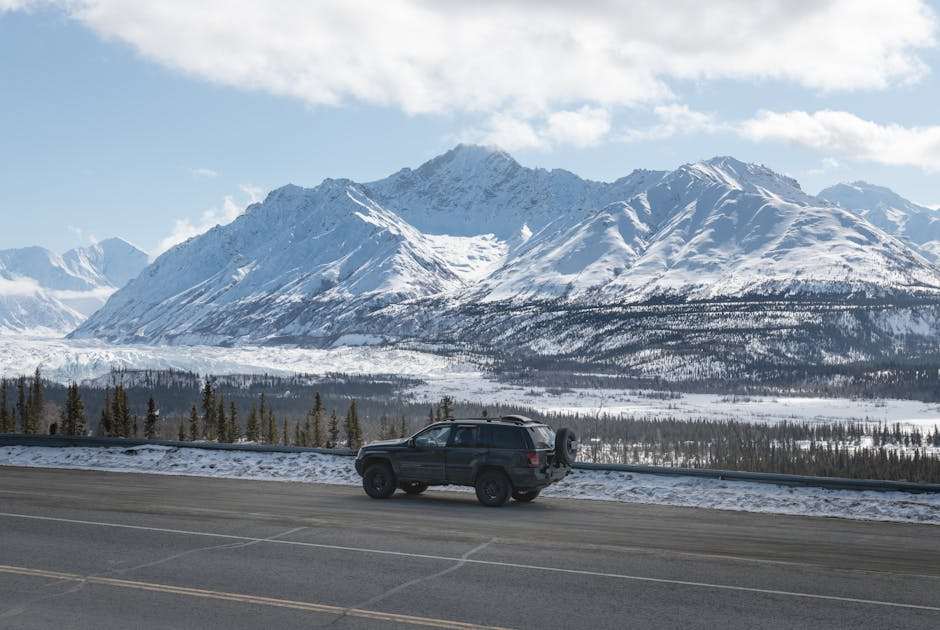
Planning Your Alaska Summer Road Trip: Complete Guide
Alaska’s summer roads offer spectacular driving experiences that require different planning than Lower 48 road trips. From the iconic Seward Highway Scenic Drive to remote highways stretching hundreds of miles between services, Alaska combines breathtaking scenery with genuine adventure – and the need for thorough preparation.
Summer is prime time for Alaska road trips, with most highways accessible from late May through early September. You’ll drive through landscapes changing dramatically from coastal rainforest to alpine tundra, often within the same day. The midnight sun extends your driving time, but Alaska’s distances, road conditions, and limited infrastructure require different planning strategies.
This guide covers essential Alaska summer road trip planning, from vehicle preparation and route selection to safety and budget considerations.
Essential Alaska Driving Routes
The Seward Highway: Alaska’s Most Scenic Drive
The Seward Highway runs 127 miles from Anchorage to Seward, following Turnagain Arm through the Chugach Mountains. This National Scenic Byway offers Alaska’s most accessible dramatic scenery, with multiple stops for wildlife viewing and photography. Allow a full day to enjoy viewpoints, visit Alyeska Ski Resort in Girdwood, and stop at Beluga Point for whale watching.
Glenn Highway: Gateway to Interior Alaska
The Glenn Highway connects Anchorage to Alaska’s interior, running 189 miles through diverse ecosystems from coastal mountains to boreal forest. The route provides access to Matanuska Glacier and passes through Palmer. Road conditions vary significantly, with mountain sections and vast valleys requiring careful fuel planning.
Parks Highway: Route to Denali
The Parks Highway runs 358 miles from Anchorage to Fairbanks, passing Denali National Park. This highway serves as Alaska’s main interior corridor with 50+ mile gaps between services. Talkeetna makes an excellent overnight stop with historic charm and flightseeing services.
Vehicle Preparation and Emergency Kit
Alaska roads can be tough on vehicles. Conduct thorough pre-trip maintenance including tire inspection, brake system checks, and cooling system service. Carry a full-size spare tire and tools, as repair services may be hours away.
Essential Emergency Kit:
- Emergency food and water for 48+ hours per person
- Warm clothing and sleeping bags (Alaska weather changes rapidly)
- Emergency communication device (satellite messenger/GPS beacon)
- Additional fuel in approved containers
- Basic tools and automotive fluids
- First aid kit and medications
Fuel Strategy and Services
Alaska fuel planning differs significantly from typical road trips due to longer distances between stations and higher costs. Always fill your tank when fuel is available, regardless of current level. Some highway segments feature 100+ mile gaps between fuel availability.
Monitor consumption carefully on mountain sections where climbing grades reduce efficiency by 30-50%. Research repair facilities along your route and consider roadside assistance coverage that includes Alaska.
Accommodation Planning
Summer accommodation demand exceeds supply in Alaska. Book reservations 6+ months in advance for peak season (June-August), especially for popular destinations like Denali, Homer, and Seward. Build flexibility into your itinerary with refundable reservations when possible.
State and federal campgrounds offer excellent value but often operate first-come, first-served. Arrive by 2 PM during peak season to secure sites. RV travel provides flexibility but requires planning for dump stations, water refills, and propane supplies.
Weather and Road Conditions
Alaska summer weather changes rapidly and varies dramatically by elevation. Mountain passes can experience snow while valleys enjoy 70°F temperatures on the same day. Monitor weather forecasts regularly and carry clothing for 35°F to 80°F temperature ranges.
Summer construction creates significant delays as crews complete projects during the limited construction window. Check 511.alaska.gov for current conditions and allow extra time for construction delays that can last 30+ minutes.
Safety and Wildlife
Alaska highways pass through active wildlife habitat where moose, caribou, and bears regularly cross roads. Vehicle-wildlife collisions are serious safety hazards. Reduce speeds during dawn and dusk, use high beams when appropriate, and maintain safe following distances.
If stranded, stay with your vehicle rather than walking for help. Inform others of your planned route and timeline before departure. File a “flight plan” with expected stops and arrival times.
Navigation and Technology
Cell phone GPS works intermittently on Alaska highways. Download offline maps before departure and carry paper backup maps. Update GPS devices with current Alaska data and learn basic map navigation as backup for electronic devices.
Budget Considerations
Alaska fuel costs run significantly higher than Lower 48 averages, with remote locations charging $1-2 per gallon above Anchorage prices. Budget at least 50% more for fuel costs. Remote communities charge premium prices for food and lodging due to transportation costs – expect 25-50% higher prices.
Pack non-perishable snacks to reduce convenience store purchases. Budget for accommodation upgrades or emergency lodging if weather disrupts plans.
Making the Most of Your Trip
Alaska’s extended summer daylight creates unique opportunities – you can drive comfortably at 10 PM under bright sunshine. Take advantage of flexible scheduling and late-day wildlife viewing when animals become more active.
Build extra time for spontaneous stops and detours. Some of the best Alaska experiences happen when you spot wildlife, discover unmarked trails, or meet locals recommending special spots. Carry camping gear even with hotel reservations, as wilderness camping opportunities may arise unexpectedly.
Alaska summer road trips provide adventure and experiences that can’t be replicated elsewhere in North America. The combination of dramatic landscapes, abundant wildlife, and genuine wilderness access creates lasting memories. With proper planning, adequate preparation, and realistic expectations, your Alaska road trip becomes the adventure of a lifetime.
Featured photo by John De Leon on Pexels.


No comments yet.