
Charter Fishing from Anchorage 2026 — Salmon & Halibut Guide
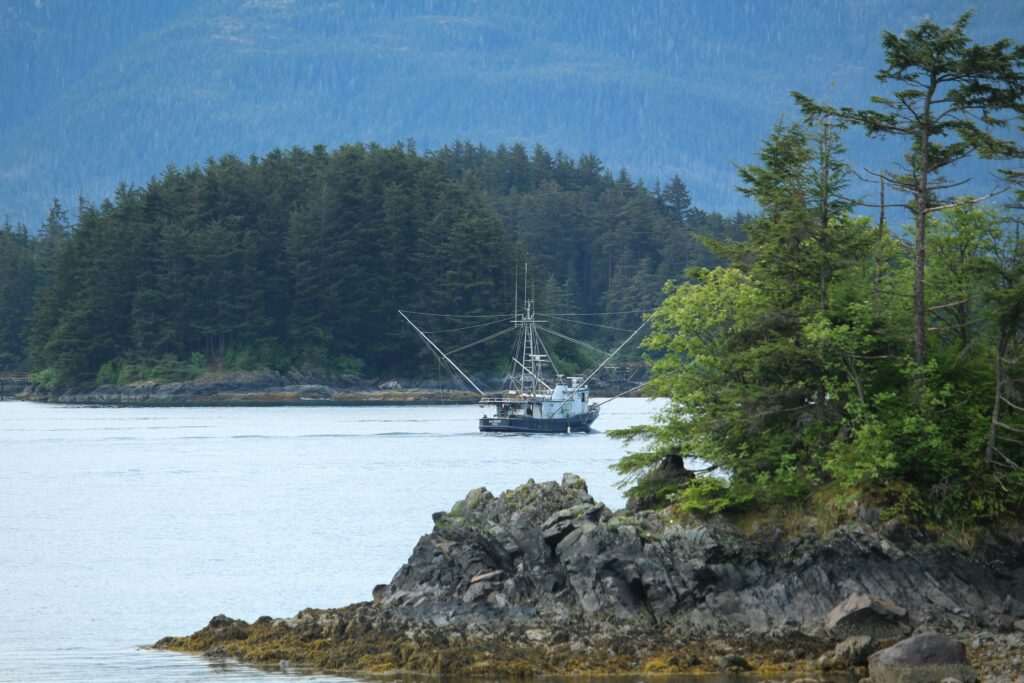
Charter fishing from Anchorage works on a geography that most visiting anglers underestimate. Within a two-hour drive of the city, the options cover saltwater halibut in Resurrection Bay out of Seward, king and silver salmon on the Kenai River, Cook Inlet salmon runs accessible from Anchor Point, and offshore halibut charters out of Homer Spit that target some of the largest flatfish caught in the Pacific. Anchorage is not a fishing destination in the narrow sense — you drive out of it to fish — but it sits at the center of a road system that makes four distinct world-class fisheries reachable in a single day. What you target and when you go determines which direction the drive goes.
Seward: Halibut and Salmon on Resurrection Bay
Seward is the most popular charter fishing destination from Anchorage — 125 miles south on the Seward Highway, two hours by car. Resurrection Bay opens directly into Kenai Fjords National Park, and the depth profile of the bay puts productive halibut grounds within thirty minutes of the harbor. Half-day halibut charters run five to six hours and target the rocky bottom structure where flatfish concentrate; full-day charters extend into deeper offshore water where larger fish are more common.
Halibut season in Seward runs May through September, with the best large-fish opportunity in June and July. A typical keeper halibut from Resurrection Bay runs between twenty and fifty pounds, with larger fish a real possibility on full-day offshore trips. The Seward harbor also supports salmon charters in Resurrection Bay itself — silver salmon (coho) run through the bay in August and September and are accessible on the same vessels that work halibut during earlier summer months. Some operators run combination trips that target both species in a single day.
Kenai River Salmon Charters
The Kenai River, approximately 150 miles south of Anchorage via the Sterling Highway, hosts two distinct salmon runs that make it one of the most fished rivers in the United States. King salmon (Chinook) run the Kenai from May through July, with the upper river’s trophy season producing the largest kings in the river system — fish over eighty pounds are caught here annually, and the world-record king salmon of 97.4 pounds came out of the Kenai in 1985. The river’s lower section below the Soldotna bridge opens earlier and fishes differently than the upper section, and guides know which stretch to target based on run timing and water conditions.
Silver salmon return to the Kenai from late July through September, filling in the window after the king season closes and running in numbers that make them accessible even to first-time anglers. The river drift and back-trolling techniques used by Kenai guides are specific to the river’s current and structure — fishing the Kenai without a guide is possible but significantly less productive than guided water where the operator knows the holding lies and adjusts presentation to the daily conditions.
Alaska Fishing Adventures operates guided charter trips across Southcentral Alaska including Kenai River salmon and saltwater halibut, with transport from Anchorage available on some packages. Big Time Alaskan Fishing Adventures runs combo and species-specific trips from the Kenai Peninsula with vessels covering both river and saltwater options.
Cook Inlet and Homer Halibut
Homer Spit, at the southern end of the Kenai Peninsula roughly 225 miles from Anchorage, is the anchor point for the largest halibut charter fleet in the state. The offshore grounds beyond Kachemak Bay reach depths that hold trophy-size flatfish — fish over one hundred pounds are common enough that Homer operators discuss them in ordinary terms rather than as exceptional events. Full-day halibut charters from Homer typically run ten to twelve hours on the water and cover offshore grounds inaccessible to smaller vessels out of Seward.
Cook Inlet Charters runs guided fishing trips across the Cook Inlet corridor with access to both the inlet’s salmon fishery and offshore halibut grounds. Cook Inlet itself supports a late-summer king salmon run that is distinct from the Kenai River fishery — shore access and inlet fishing from smaller vessels target these fish in the tidal waters accessible from Anchor Point and Deep Creek on the western Kenai Peninsula shore.
Target Species and Peak Seasons
King salmon (Chinook) are the first priority species for most visiting anglers. The Kenai River early run peaks in May and June; the late run, which holds larger fish on average, runs July through mid-August. King regulations on the Kenai vary by year and by river section — confirm current emergency orders and daily bag limits before booking, as in-season changes are not uncommon when run counts fall below projections.
Silver salmon (coho) run August through September in most Southcentral Alaska systems, overlapping with the end of king season. Silvers are aggressive and readily take lures and flies, which makes them popular with anglers who prefer active presentations over the back-trolling style that dominates king fishing. They average six to twelve pounds and are exceptional table fish.
Halibut are available throughout the summer from May through September across all of the saltwater options. Early season fish in May and June tend to run smaller; the peak size opportunity for large halibut is late June through August when the largest fish move into shallower feeding grounds from their winter depths.
What’s Included and What to Bring
Most charter operations include rods, reels, terminal tackle, bait, and fish processing — your catch is cleaned and bagged at the dock. Some operators include ice for transport; confirm whether vacuum sealing or freezing services are available if you need the fish to travel more than a few hours. Licenses and king salmon stamps are typically not included and must be purchased before the trip — buy them online through the Alaska Department of Fish and Game before departure to avoid dock-morning delays.
Dress for conditions that run colder than the Anchorage forecast suggests. Resurrection Bay and Cook Inlet generate their own weather, and even a warm summer morning in the city can mean 45°F and chop on the water by the time you reach the fishing grounds. Bring rain gear, waterproof boots, and layers. Sunscreen matters even on overcast days — UV exposure on the water at high latitudes is higher than it feels. Seasickness medication is worth considering for offshore halibut trips, where two to three hours of open-water transit can be rough on windy days.
Licensing Requirements
Alaska requires a sport fishing license for all anglers over 16, plus a king salmon stamp for targeting chinook in any Alaska water. The license and stamp are available through the Alaska Department of Fish and Game’s online portal and at sporting goods stores in Anchorage. A one-day nonresident license runs approximately $25; the annual nonresident license runs approximately $145. The king salmon stamp adds $25 regardless of duration. Most Anchorage-area sporting goods stores carry licenses; REI, Bass Pro Shops, and Fred Meyer all sell them. Purchase before you drive to the dock — not all charter harbors have license vendors on site.
What fish can I catch near Anchorage on a charter?
Charter fishing from Anchorage reaches king salmon and silver salmon on the Kenai River, halibut in Resurrection Bay out of Seward and offshore from Homer, and Cook Inlet salmon runs. King salmon peak May through July; silver salmon run August through September; halibut are available May through September with the largest fish most common in June and July.
How far is Seward from Anchorage for a fishing charter?
Seward is approximately 125 miles south of Anchorage on the Seward Highway — about two hours by car. The drive follows Turnagain Arm and crosses the Kenai Peninsula; it is one of Alaska’s National Scenic Byways and worth the early departure. Most Seward halibut charters leave the harbor between 7 and 8 a.m., requiring an Anchorage departure of 5 to 6 a.m.
Do I need a fishing license for charter fishing in Alaska?
Yes. All anglers over 16 need an Alaska sport fishing license, and targeting king salmon requires an additional king salmon stamp. Nonresident one-day licenses run approximately $25; annual licenses approximately $145. The king stamp adds $25. Buy both online through the Alaska Department of Fish and Game or at sporting goods stores in Anchorage before leaving for the dock.
What is the best time of year for charter fishing near Anchorage?
June and July offer the best all-around fishing window — king salmon are still running on the Kenai, halibut are in peak size range offshore, and weather conditions are the most reliable of the season. May is good for early king salmon and less crowded charters. August and September shift the focus to silver salmon, which are abundant and aggressive. Halibut charters operate May through September across all ports.
Charter fishing from Anchorage is a full-day commitment in any direction you drive, and that is the point of it. The drive down the Seward Highway in the early morning with the inlet flat and the mountains above it, the ride out of Seward harbor past the sea lions on the marker buoy, and the weight of a halibut on the line in water you could not see the bottom of — these are not incidental parts of the trip. Book early for June and July departures, confirm the king stamp situation before you go, and leave room in the cooler.
Featured photo by Akil Mazumder on Pexels.

No comments yet.