
Berry Picking Near Anchorage, Alaska: Seasons & Spots 2026
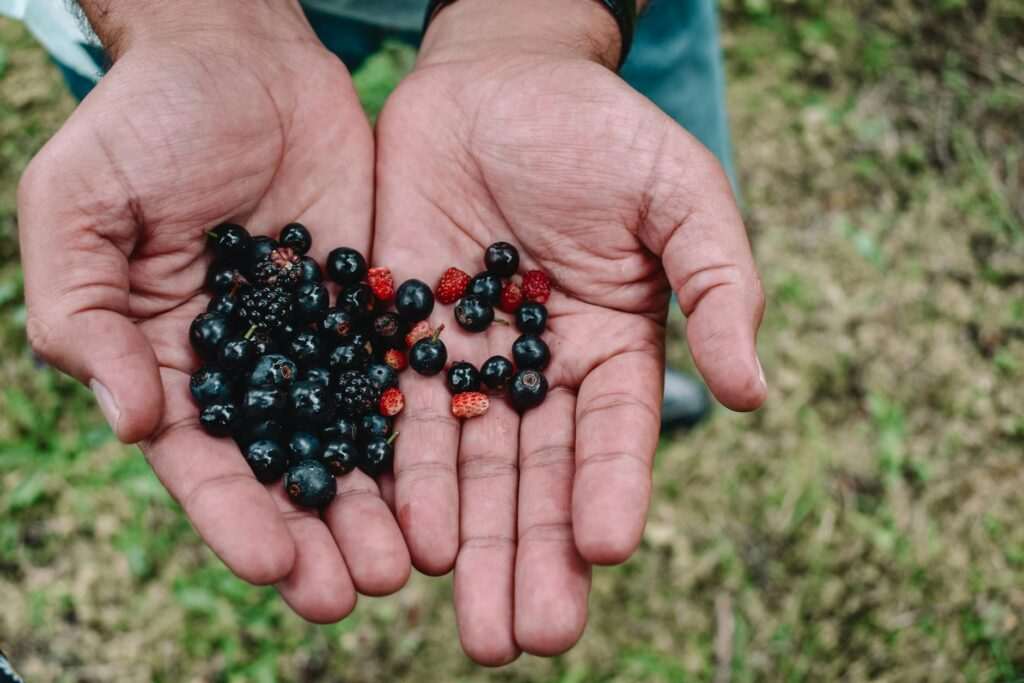
Every summer, Anchorage residents disappear into the hills with empty containers and return with purple-stained fingers. Berry picking near Anchorage, Alaska is one of the most deeply rooted local traditions in the state — the Chugach foothills produce an extraordinary abundance of wild fruit from late June through early September. For visitors, joining the harvest is one of the most authentic Alaska experiences available, requiring nothing more than a container, sturdy shoes, and a basic awareness of when and where to look.
Alaska’s Berry Season: What Grows and When
Alaska’s berry calendar runs roughly from late June through September, with different species peaking at different elevations and times. Understanding the sequence helps you plan your outing around what’s actually ripe.
Salmonberries — Late June to Mid-July
The season opener, salmonberries ripen first at lower elevations and are often the most visually striking berry in Alaska’s lineup. Their color ranges from golden yellow to deep orange-red, and the flavor sits somewhere between a tart raspberry and a juicy peach. Find them along roadsides, creek corridors, and the lower sections of trailheads throughout the Chugach. The Bird Creek corridor and Turnagain Arm trailheads are reliable early-season spots. Pick quickly — salmonberries don’t last long at peak ripeness and are intensely competitive among local foragers, songbirds, and black bears alike.
Blueberries — Mid-July Through August
Alaska blueberries are the workhorse of the season and the berry most locals dedicate the most time to harvesting. Two main varieties grow near Anchorage: bog blueberries at lower, wetter elevations and alpine blueberries above 1,500 to 2,000 feet. The alpine variety tends to be smaller but more intensely flavored. The Glen Alps area — the trailhead for the O’Malley Peak Trail and the Powerline Pass corridor — is considered prime blueberry country and draws foragers every August weekend. Expect company. The low-growing shrubs carpet the open hillsides above treeline, and on a good year it is possible to fill a quart container in under an hour without moving more than a few hundred yards.
Crowberries — Late July Through August
Crowberries grow above treeline on alpine tundra, appearing as small, jet-black berries on a low mat of heath-like vegetation. They are tart and slightly astringent eaten raw, but become excellent in jams, jellies, and baked goods when cooked with sugar. Any Chugach trail reaching above 2,500 feet — including the upper sections of Wolverine Peak Trail — will put you in crowberry country by late July. The same terrain typically holds alpine blueberries, making higher-elevation outings a dual harvest.
High-Bush Cranberries — August and September
High-bush cranberries (technically a viburnum, not a true cranberry) ripen along forest edges and creek margins from August into early fall. They are bright red, translucent, and intensely sour fresh off the bush — but they make outstanding jellies and sauces after a frost, which breaks down the tartness. Look for them along the forest margins at lower elevations after blueberry season winds down. A hard frost actually improves the flavor, so the best high-bush cranberry picking often happens in September as the season draws to a close.
Best Berry Picking Spots Near Anchorage
Glen Alps and the Powerline Pass Corridor
This is the gold standard for Anchorage-area berry picking. The Glen Alps trailhead sits at about 2,100 feet, putting you immediately into prime blueberry and crowberry terrain without a long approach hike. The Powerline Pass trail and the surrounding open hillsides above the trailhead are blanketed in berry-producing shrubs by mid-August. Come early on weekends — the parking lot fills by 9 a.m. on peak berry days, and the most productive patches closest to the trailhead get picked clean quickly. Walking even 15 to 20 minutes further from the trailhead dramatically reduces competition.
Bird Creek and Turnagain Arm Trailheads
The Bird Creek drainage and the string of trailheads along Turnagain Arm — including Bird Ridge and Indian Valley — produce excellent salmonberries in late June and early July, and blueberries in the understory and lower hillsides later in the season. These sites are accessible right off the Seward Highway and require less elevation gain than the Chugach foothills, making them a good option for families or anyone not looking for a strenuous outing.
Eagle River Corridor
The Eagle River valley and its surrounding trail system offer a range of berry habitats from riverside salmonberry patches to mid-elevation blueberry hillsides. The Eagle River Bear Viewing Trail passes through terrain frequented by black and brown bears drawn to the same berry patches that attract human foragers — a reminder to carry bear spray and travel in groups during berry season. Eagle River is about a 25-minute drive from downtown Anchorage and sees somewhat less pressure than the Glen Alps area on weekend mornings.
Eklutna Lake Area
About 35 miles northeast of Anchorage, the Eklutna Lake corridor offers forested edges and open hillsides along the Twin Peaks and Eklutna Lakeside trails. Fewer competing foragers and multiple berry-producing zones make it worth the drive for a full-day harvest outing.
Essential Tips for Berry Picking Near Anchorage
Bear awareness is mandatory. Alaska’s bears — both black and brown — are intensely focused on berry patches from July through September as they build fat reserves for winter. You are often picking in the same spots at the same time. Make noise as you move, never approach a bear, carry bear spray and know how to use it, and hike in groups when possible. Most berry picking in Alaska happens without bear incident, but complacency is how encounters happen.
Bring the right container. A lightweight bucket or ice cream container works well for volume picking. Small containers require more trips and more sorting. Avoid ziplock bags if you plan to pick for more than 20 minutes — they crush the berries and turn your harvest into jam before you get home.
Dress for the bugs. July berry season coincides with peak mosquito and white sox season in lowland and mid-elevation terrain. Long sleeves, pants, and insect repellent make a significant difference in how enjoyable the outing is. At higher elevations, wind typically keeps insects at bay.
Don’t pick from roadsides. Berry plants along road margins absorb vehicle exhaust, road salt, and runoff over years of traffic. Stick to areas set back from roads and away from parking lots, even if the berries look abundant.
Identify before you eat. Alaska has a few toxic berries — baneberries and false lily-of-the-valley being the most common concerns. The berries described in this guide are well-established, widely recognized species, but if you are new to foraging, go with someone experienced or consult a reliable Alaska field guide before your first outing.
What to Do with Your Harvest
Fresh Alaska blueberries shine in pancakes, muffins, and cobblers. Salmonberries freeze well and make beautiful jam. Crowberries and high-bush cranberries excel as preserves and savory sauces for fish or game. Many Anchorage residents freeze quart bags of blueberries throughout August and work through them all winter — berry picking here isn’t just recreation, it’s provisioning for the months ahead. Alaska’s berry season is short and intensely anticipated. Set aside a morning for the hillsides above Glen Alps if you’re visiting in July or August. You won’t regret it.
No comments yet.