
Kincaid Park Anchorage: Trails, Biking & Wildlife 2026
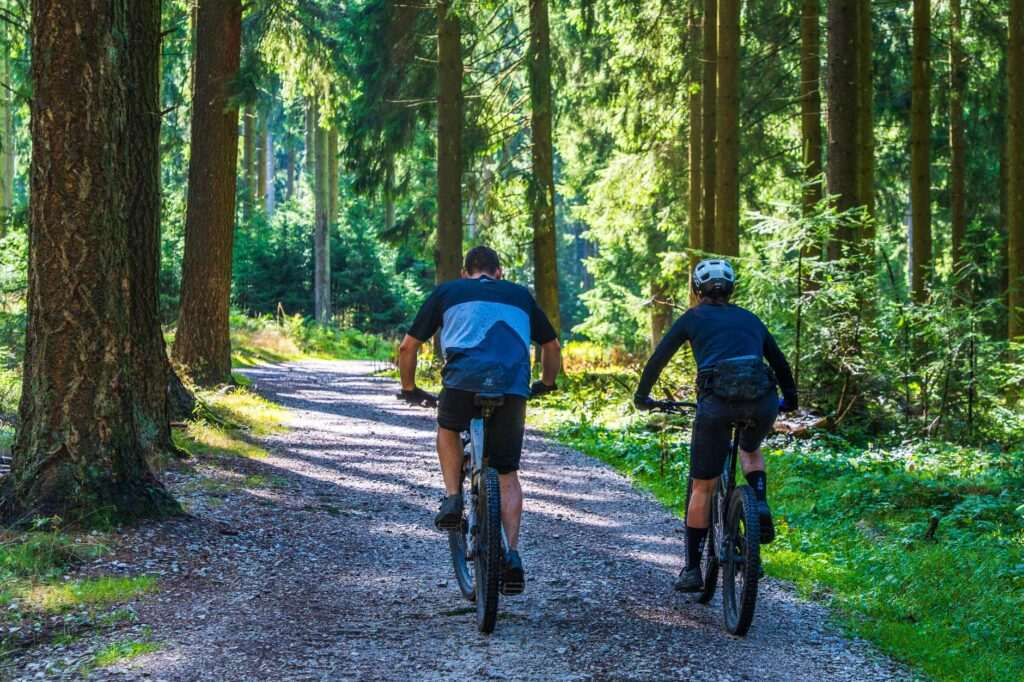
On the western edge of Anchorage, where the boreal forest drops to a coastal bluff above Cook Inlet, Kincaid Park offers some of the best trail access in any American city. With more than 40 miles of maintained trails across 1,500 acres, Kincaid Park’s Anchorage trails for biking, hiking, and wildlife draw locals year-round and surprise visitors who don’t expect a park of this caliber right inside city limits. On a clear day, Denali is visible from the bluff. Moose cross the trails with no regard for schedules. And the singletrack mountain biking is legitimately world-class.
Getting to Kincaid Park
The main trailhead and Kincaid Outdoor Center sit at the end of Raspberry Road off Minnesota Drive — about a 15-minute drive from downtown Anchorage. Free parking is available at the trailhead, and restrooms are open during summer months. The park is also accessible from the north end via the Tony Knowles Coastal Trail, which runs 11 miles along the coastline from downtown Anchorage and terminates at Kincaid. Many cyclists ride the Coastal Trail from downtown and enter the park from the north, making it a natural loop or point-to-point trip.
Mountain Biking at Kincaid
Kincaid Park is the premier mountain biking venue in Anchorage and one of the better municipal trail systems in the Pacific Northwest. The Anchorage Nordic Ski Club — which maintains the trails for cross-country skiing in winter — has built a network that doubles as excellent mountain bike terrain in summer. The result is a dense, well-signed network with something for every ability level.
Green (beginner) trails run through open meadows and gentle forested terrain, following the contours of the park’s rolling topography without significant technical challenge. Blue (intermediate) trails introduce root sections, tighter corners through spruce forest, and occasional short climbs. Black (advanced) trails include technical root gardens, steeper descents, and sections that demand confident bike handling. The park also has several dedicated flow trails with bermed corners — Anchorage’s closest equivalent to the styled singletrack found at purpose-built bike parks.
A trail map is available at the Kincaid Outdoor Center and posted at major trail junctions. Cell service is spotty inside the park, so downloading an offline map before you go is worthwhile. Bike rentals are available from shops along Northern Lights Boulevard, roughly a 10-minute drive from the Kincaid trailhead.
Hiking and Walking Trails
Kincaid’s trail network accommodates hikers alongside mountain bikers, and many trails are designated multi-use. The gentler terrain in the eastern portion of the park — through open boreal forest of white spruce and birch — is ideal for walking, trail running, and family outings. A network of connector trails allows loops of any length from a 30-minute stroll to a half-day exploration.
The coastal bluff on the park’s western edge rewards the walk out. On clear days — which come regularly in June and early July before summer’s maritime clouds roll in — Denali and the Alaska Range are visible across Cook Inlet, floating above the treeline. The inlet itself is dramatic: a wide, chocolate-brown tidal estuary that drops dozens of feet between high and low tide, leaving vast mudflats exposed that are dangerous to walk on but stunning to observe from above.
The Chugach State Park trail system begins at the eastern edge of Anchorage and connects to the broader trail network that Kincaid feeds into via the Coastal Trail. Visitors who want a longer adventure can plan routes that move between multiple trail systems across the city.
Wildlife in Kincaid Park
Kincaid Park supports one of the highest moose densities in the Anchorage park system. Encounters are common — not occasional. Summer visitors regularly come around a corner to find a cow moose and calf feeding at the edge of the trail, or a bull browsing in a clearing 30 yards away. Moose are large, fast, and unpredictable when they feel threatened. Give them a wide berth, never get between a cow and her calf, and retreat calmly if a moose pins its ears back or raises its hackles. Most encounters resolve themselves if you simply stop and wait.
Black bears also use the park, particularly in berry season from late July through September. Trail runners and mountain bikers — who move quietly and quickly — should make noise on blind corners. The Eagle River Nature Center, about 30 minutes northeast of Anchorage, offers ranger-led wildlife programs and a more educational introduction to Chugach wildlife for visitors who want structured context for what they might encounter in the parks.
Kincaid is also a significant stopover for migratory birds in spring. The coastal bluff and intertidal mudflats attract shorebirds, raptors, and waterfowl in large numbers during May and early June. Birders with binoculars will find productive mornings along the western edge of the park.
Facilities and Practical Information
The Kincaid Outdoor Center is open daily in summer and serves as the informal hub of park activity — trail maps, water, restrooms, and occasional equipment check-in for events. The park hosts organized mountain bike races and trail running events throughout summer; checking the schedule before your visit avoids arriving on a race day when certain trails may be closed or congested.
Disc golf is available at a course within the park, and several open fields serve as informal sports areas. There are no food vendors or cafés inside the park, so bring your own water and snacks.
Kincaid is free to enter and has no reservation system. Parking fills quickly on weekend mornings in July and August — arriving before 9 a.m. on Saturdays secures a spot without circling. The park is open year-round, though winter transforms it into Anchorage’s premier Nordic skiing venue, hosting the U.S. Olympic Trials and international-level competitions on the same trails.
Planning Your Visit
For mountain bikers, mid-June through early September is the reliable window — trails dry out after snowmelt by late May or early June in most years. For hikers seeking Denali views, June and early July offer the clearest conditions before marine layer clouds become more persistent. Wildlife activity peaks in the morning and evening hours. For the bluff experience and coastal views, any clear day in summer will deliver.
Kincaid Park is one of those places that Anchorage residents take for granted and visitors consistently rank among their best Alaska experiences. It doesn’t require a permit, a shuttle, or a guide — just a willingness to show up and ride or walk into the trees.

No comments yet.