
Brown Bear Viewing in Alaska 2026: Katmai Fly-Outs, AWCC & Planning from Anchorage
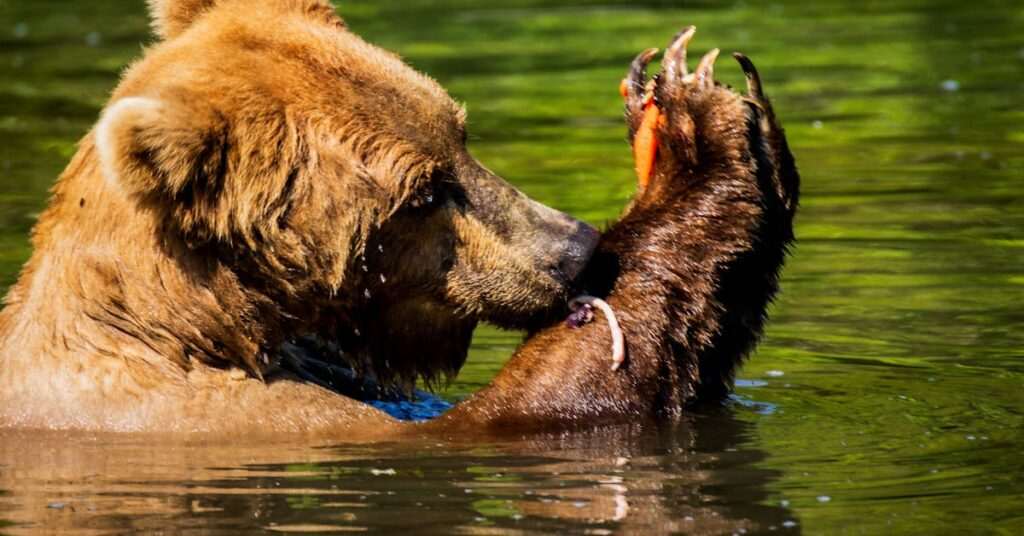
Few wildlife encounters on Earth rival watching a brown bear plunge into a waterfall to snatch a leaping sockeye salmon mid-air. Alaska is home to roughly half the world’s brown bear population — an estimated 30,000 animals — and predictable salmon runs pack dozens of bears into easily observable locations every summer. Whether you have one afternoon and a modest budget or you’re planning a bucket-list fly-out months in advance, there’s a bear viewing experience designed for you.
This guide covers every level of experience accessible from Anchorage, from walk-in wildlife centers to once-in-a-lifetime permit-only sanctuaries, with honest notes on cost, logistics, and booking timelines.
Why Alaska Bear Viewing Is World-Class
Brown bears (the same species as grizzlies — the name “grizzly” is simply used for interior populations) thrive in Alaska because the state has what they need: vast wilderness, minimal human encroachment, and staggering annual salmon runs. Every July and August, millions of sockeye, king, and silver salmon battle upstream to spawn, and brown bears congregate wherever the fish are concentrated. At Brooks Falls in Katmai National Park, biologists have counted more than 70 individual bears in a single day. That density simply doesn’t exist anywhere else on the planet.
The result: Alaska bear viewing isn’t a matter of luck. It’s a matter of timing and location. Show up at the right spot during the salmon run and you will see bears — often at remarkably close range from safe viewing platforms.
Tier 1: Fly-Out Destinations — The Bucket-List Experiences
Katmai National Park & Brooks Falls
Brooks Falls is the single most famous bear viewing location in the world. Located within Katmai National Park on the Alaska Peninsula, the falls create a natural fish ladder that bears exploit with extraordinary skill. Between late June and early August — peak season — bears line the lip of the falls waiting for salmon to jump directly into their mouths. The famous Fat Bear Week competition celebrates the bears that bulk up most successfully here before hibernation.
Getting there from Anchorage: Fly to King Salmon (1 hour commercial flight), then transfer to a floatplane or lodge air taxi into Brooks Camp (roughly 20 minutes). Several Anchorage-based charter companies also offer direct day-trip packages that include round-trip air and a guided day at the falls — these typically cost $750–$1,200 per person depending on the operator and season. Verify current pricing directly with operators, as fuel and permit costs fluctuate year to year.
Key logistics: Day visitors to Brooks Camp need a day-use permit from the National Park Service. These are available through Recreation.gov and sell out within minutes when they open in late winter for the coming season. Set an alarm. Lodging at Brooks Lodge books up even faster and costs significantly more — plan at least 6–12 months ahead if you want to stay overnight.
McNeil River State Game Sanctuary
McNeil River holds the world record for the highest concentration of brown bears ever documented in one place. During the July chum salmon run, more than 140 individual bears have been recorded at the McNeil River falls in a single season. The Alaska Department of Fish & Game manages access strictly to protect both bears and visitors: only 10 permits are issued per day during the prime season (July 5 – August 25).
Getting there: Floatplane from Homer or King Salmon, approximately 90 minutes. The sanctuary does not have commercial lodges; visitors camp on-site.
Key logistics: Permits are allocated by lottery. Applications open each March for the following July–August season. The odds are competitive but not impossible — apply every year. Winners receive unguided access with a mandatory safety orientation. Cost is modest (permit fee plus air charter), making this an incredible value compared to private lodge packages, if you can get in.
Lake Clark National Park
Lake Clark offers a different experience than Brooks Falls. Rather than watching bears at a waterfall, you observe them grazing coastal sedge grass meadows along the park’s Pacific coast — a behavior bears engage in heavily in spring and early summer before salmon runs begin. Coastal bears here are accustomed to floatplane visitors and often feed with remarkable indifference just a few hundred feet away.
Operators like Redoubt Mountain Lodge and Bear Mountain Lodge offer multi-day packages that combine bear viewing with stunning fjord and glacier scenery. Day trips are also possible from Anchorage via charter floatplane — budget $600–$1,000 per person for a guided day experience.
Tier 2: Drive-Accessible Options Near Anchorage
Alaska Wildlife Conservation Center (AWCC)
Located in Portage Valley about 50 miles south of Anchorage on the Seward Highway, the Alaska Wildlife Conservation Center is hands-down the best value bear viewing experience in the state. The facility rescues and rehabilitates orphaned, injured, or human-habituated wildlife that cannot be returned to the wild — including brown bears, black bears, musk oxen, moose, caribou, wolves, and more.
The bears live in large natural enclosures and are often visible at close range, making AWCC exceptional for photography. You don’t need a telephoto lens here — a mid-range zoom gets stunning shots. Admission runs approximately $20–$25 for adults and the facility is open year-round, though summer offers the most active animal behavior. This is also one of the most family-friendly wildlife experiences in Alaska: the paved loop road is stroller-accessible and the animals are reliably visible.
AWCC doesn’t offer the raw thrill of wild bear encounters, but it fills an important role: guaranteed close-up observation in any weather, any experience level, zero advance booking required.
Kenai Peninsula — Russian River Confluence
During the sockeye salmon runs (mid-June through August), brown bears fish the Russian River near its confluence with the Kenai River, roughly 100 miles from Anchorage via the Seward Highway. This is a legitimate wild bear viewing location, but the experience differs from Katmai in important ways: viewing distance varies, the area is heavily used by anglers, and bears can appear anywhere along the riverbank rather than at a concentrated focal point like a waterfall.
The upside: it’s free, accessible by car, and genuinely wild. The downside: it’s crowded in peak season and requires more patience than a guided fly-out. Wear bear spray (mandatory throughout the Kenai Peninsula during salmon season) and stay alert at all times. This is an opportunistic addition to a Kenai Peninsula road trip, not a reliable stand-alone bear viewing destination.
Tier 3: Opportunistic Sightings Around Anchorage
Brown bears range through Chugach State Park, which borders Anchorage’s eastern edge, and into the Kenai Peninsula backcountry. Hikers on Flattop Mountain, the Crow Pass Trail, and routes into the Ship Lake and Eklutna Lake areas do encounter bears, though sightings are unpredictable. These are not viewing destinations — they’re landscapes where bears happen to live.
Drivers on Turnagain Arm occasionally spot coastal bears foraging near the highway, particularly in spring when bears emerge from dens and hunt for clams and sedge grass along the tidal flats. Keep binoculars in the car and pull over safely if you spot movement on the hillsides.
Bear Safety: The Essentials
Alaska’s brown bears are not domesticated and should never be approached or fed. The following practices are non-negotiable:
- Carry bear spray — and know how to use it. Keep it in a hip holster, not buried in your pack.
- Make noise on trails to avoid surprising bears at close range. Talk, clap, or use a bear bell in dense brush.
- Never approach a bear. At Katmai and McNeil River, rangers enforce strict distance rules (typically 50 yards minimum). Follow all guide instructions immediately.
- Store food properly. At campgrounds, use bear boxes or hang food using the park-mandated method.
- Stand your ground if charged. Most charges are bluffs. Deploy bear spray when a bear is within 30–60 feet and closing. Do not run.
Guided tour operators — including multi-day operators like Adventure Life — follow safety protocols developed over decades of bear viewing. If you’re on a fly-out, defer to your guide’s judgment at all times — they’ve seen far more bear behavior than any first-time visitor.
Photography Tips
For wild bear viewing at Brooks Falls or McNeil River, a 400–600mm telephoto lens gives you frame-filling shots while maintaining safe distance. A sturdy monopod helps during long sessions at the viewing platforms. Shoot in burst mode during active fishing sequences — the action happens fast.
Operators like Alaska Photo Treks offer guided wildlife photography sessions if you want expert composition coaching. At AWCC, the shorter distances mean a 70–200mm lens is often sufficient. Early morning light (before 10 a.m.) and overcast days produce the most even lighting for wildlife photography without harsh shadows.
Regardless of location, shoot in RAW format if your camera supports it. Bear fur and salmon water present challenging exposure scenarios — RAW files give you far more latitude to recover highlights and shadows in post-processing.
Booking Timeline and Cost Summary
Planning your bear viewing experience requires different lead times depending on the tier:
| Experience | Typical Cost (per person) | Book How Far Ahead |
|---|---|---|
| AWCC (walk-in) | ~$20–25 | None required |
| Kenai Russian River | Free (parking fee) | None required |
| Lake Clark day trip | $600–$1,000 | 2–4 months ahead |
| Katmai day fly-out | $750–$1,200 | 3–6 months ahead; permits open in winter |
| Brooks Lodge (overnight) | $1,500–$2,500+ | 6–12 months; books out same day it opens |
| McNeil River permit | Permit fee + ~$400 air | Apply by March lottery for July–August |
Note: Prices and permit costs change annually. Verify current rates directly with operators and the Alaska Department of Fish & Game before booking.
Plan Your Alaska Bear Viewing Trip
The perfect Alaska bear viewing trip matches your budget, timeline, and comfort with wilderness travel. First-timers often start at AWCC for a guaranteed close-up encounter, then add a guided Katmai fly-out for the full wild-bear experience. Serious wildlife enthusiasts apply to the McNeil River lottery every year until they get in — and almost universally describe it as the most extraordinary wildlife experience of their lives.
Whatever tier you choose, Alaska will not disappoint. The state’s brown bears are numerous, its salmon runs are reliable, and its landscapes are unlike anywhere else on Earth. Start planning now — the prime viewing season fills up faster every year.
No comments yet.