
Halibut Fishing from Anchorage Alaska: Homer, Seward & 2026 Charters
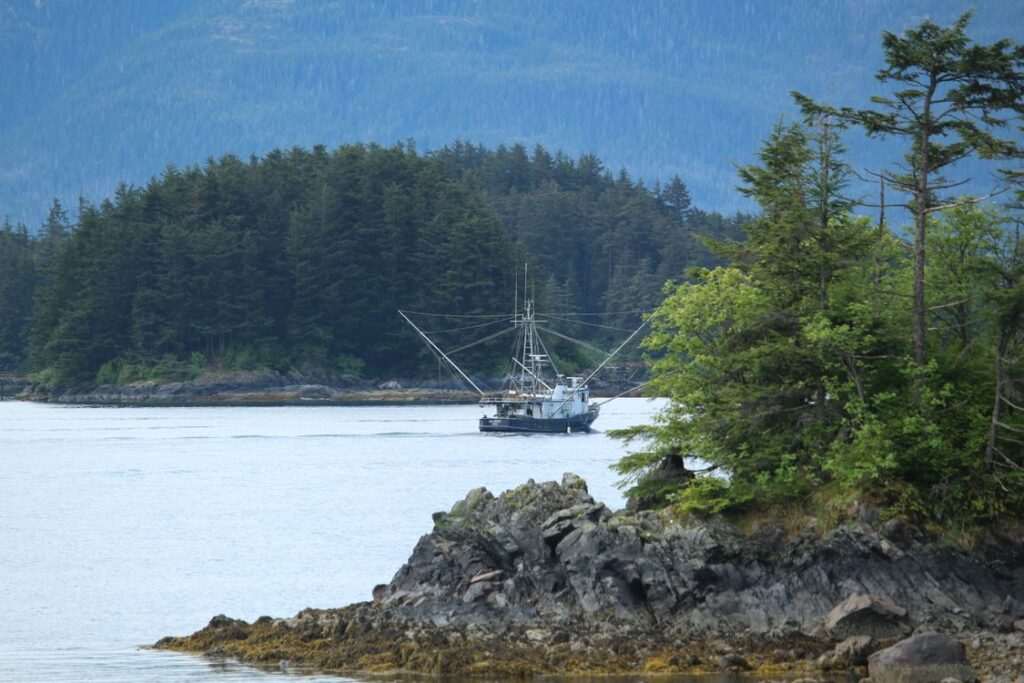
Halibut fishing from Anchorage means one of two drives: Homer, 4.5 hours south on the Sterling Highway, or Seward, 2.5 hours south on the Seward Highway. Homer is the Halibut Fishing Capital of the World — a title it’s earned through sheer volume and size of fish. Seward is the closer option, with a thriving day-charter fleet and access to the same Kenai Fjords waters. Both are achievable as day trips from Anchorage, though overnight stays turn them into proper fishing trips rather than hurried ones. Here’s how to plan halibut fishing from Anchorage in 2026.
What You’re Fishing For
Pacific halibut are the flatfish that made Alaska’s sport fishing industry famous. They live on the seafloor in cold, deep water and grow slowly to extraordinary sizes — 50 to 100 pounds is a typical legal keeper, 150-plus pounds is a “barn door” halibut that people talk about for years. The Alaska record is over 450 pounds. On any given charter day out of Homer or Seward, you’re fishing in water where fish this size still exist.
Most charter limits are two halibut per angler per day with a combined weight limit that varies by year based on the International Pacific Halibut Commission’s annual assessment. The IPHC sets conservative limits to maintain the stock — regulations change each season, so confirm current limits before you book. The standard practice is to keep one large halibut and release the oversized fish, as very large halibut are mostly female breeders that are worth more in the water than on ice.
Season: When to Go
The halibut season near Anchorage runs May through September, with June and July typically the best months for a combination of weather, fish availability, and charter capacity. May fishing is productive but cold — Gore-Tex and base layers are non-negotiable. August offers calmer seas on average and slightly less boat traffic. September extends the season into fall conditions with shorter days and weather that can turn quickly.
Charter boats run on the Pacific halibut season established by the IPHC, which typically opens in mid-March and closes in mid-November for guided trips. The window from Memorial Day weekend through Labor Day is when full charter operations are running at both Homer and Seward. Book well in advance for June and July; the most popular charter operators fill their peak-season dates months ahead.
Homer: The Halibut Capital
Homer sits at the end of the Sterling Highway on the tip of the Kenai Peninsula, 226 miles south of Anchorage. The Homer Spit — a 4.5-mile gravel bar extending into Kachemak Bay — is where the charter fleet operates: dozens of boats departing each morning from the dock, returning in the afternoon with the day’s catch. The combination of Kachemak Bay’s protected waters and the open-water access south of the bay creates reliable halibut fishing from a fleet that’s been operating here for decades.
A full-day halibut charter from Homer typically departs at 6 to 7 AM and returns 10 to 12 hours later. Most charters include all gear, bait, and fish cleaning at the dock — bring your own license, your own food for the day, and layers for conditions that can change on the water. Fishermans Choice Charters and Lazy Otter Charters are among the established operators running trips out of Homer. The Spit has multiple charter companies competing for the same customer base, which keeps service standards high and gives you options on pricing and boat size.
The drive to Homer from Anchorage is one of the better scenic drives in Southcentral Alaska — the Seward Highway through Turnagain Arm, then the Sterling Highway across the Kenai Peninsula with views of the Kenai Mountains and Cook Inlet before the dramatic descent into Homer, where the road drops and the entire panorama of Kachemak Bay appears. If you’re driving for a morning charter departure, leave Anchorage by 1 to 2 AM or stay the night before.
Seward: The Closer Option
Seward is 2.5 hours from Anchorage via the Seward Highway and sits at the head of Resurrection Bay — one of the more dramatic harbor settings in Alaska, surrounded by mountains on three sides with glaciers visible from the waterfront. The Seward charter fleet operates from the Small Boat Harbor and accesses the Kenai Fjords waters to the south, where halibut fishing combines with wildlife viewing in an area rich with seabirds, sea otters, and humpback whales.
Seward Ocean Excursions and other operators in the Seward harbor run combination wildlife and halibut fishing trips — an option worth considering if you’re a first-time visitor who wants the wildlife experience alongside the fishing. Full-day halibut charters from Seward follow a similar structure to Homer: early departure, 8 to 10 hours on the water, fish cleaning included.
The shorter drive makes Seward more practical as a true day trip from Anchorage. You can leave Anchorage at 4 AM, fish a full charter, and be back in the city by 9 or 10 PM. It’s a long day but it’s achievable — and the Seward Highway drive through Turnagain Arm in the early morning, with the bore tide and the mountains catching first light, is worth the alarm clock.
What to Expect on Charter Day
Most halibut charters are structured around jigging and bait fishing in 200 to 400 feet of water. Guides provide heavy rods and reels pre-rigged with halibut rigs and bait — typically herring, squid, or octopus. The technique is straightforward: drop to the bottom, jig steadily, and wait for the weight of a 50-pound flatfish to load the rod. When it happens, you’ll know. Halibut don’t run like salmon; they go deep and shake, which is its own kind of memorable fight on heavy gear.
Expect to share the boat with other anglers — most charter boats carry 6 to 12 people. The guide handles the fishing logistics, navigates to productive spots, and assists with landing fish. When a large halibut comes up from depth, the crew handles the final subduing with a traditional halibut club before bringing it over the rail. It’s not a delicate process, and that’s part of fishing.
Getting Your Fish Home
This is the logistics piece that matters most after the fishing is done. Most charter operators in Homer and Seward offer dock-side fish cleaning as part of the trip — the mates clean and fillet your catch while the boat is docked. From there, you’ve got two options: bring fish home in a cooler, or ship it.
Local seafood processors in Homer and Seward can vacuum-seal and flash-freeze your halibut and arrange shipping overnight to the Lower 48. This is the preferred option for anyone who caught significant quantity and doesn’t want to manage a fish cooler through airports. Several charter operators have established relationships with processors and can direct you. Plan to budget $1 to $1.50 per pound for processing and about $100 to $200 for shipping, depending on weight and destination — expensive, but worth it for quality halibut you actually caught yourself.
If you’re flying out of Anchorage and want to carry fish as checked baggage, Alaska Airlines and most carriers allow this with proper dry-ice packaging. There are limits on dry-ice quantity per bag; check current airline rules before the trip. The seafood shops near the Homer Spit and Seward harbor regularly deal with anglers in this situation and can advise on packaging.
Licenses and Regulations
Alaska halibut fishing requires a valid Alaska Sport Fishing License — available online through the Alaska Department of Fish and Game, at sporting goods stores in Anchorage, or via the ADF&G mobile app. Unlike king salmon, halibut don’t require a separate stamp on top of the base license. Non-resident licenses cost significantly more than resident licenses, so factor this into your trip budget.
The annual halibut limits are set by the IPHC and can change season to season. Don’t assume this year’s limits match last year’s. Charter operators will have current regulations posted and will brief you on limits before departure; if you’re unclear, ask the guide directly at the start of the trip.
Is Homer worth the 4.5-hour drive from Anchorage for halibut fishing?
Yes, if halibut fishing is the specific goal. Homer is the Halibut Fishing Capital of the World for a reason — the size of the fleet, the depth of experience among the charter operators, and the consistent access to quality fish make it the benchmark for halibut fishing in Southcentral Alaska. The drive is long but scenic, and most serious fishing visitors consider the Homer experience meaningfully different from Seward. If you’ve got the night before and the drive time, Homer earns it.
Can you do a halibut charter as a day trip from Anchorage?
Seward is the realistic day-trip option — 2.5 hours each way, a full charter, and back in Anchorage the same night. Homer as a day trip is possible but means a 4 to 5 AM departure from Anchorage and a late return, making for a 20-hour day. Most people who fish Homer stay at least one night. If your schedule allows only a day trip and halibut is the priority, Seward is the practical answer.
How big do halibut get near Anchorage?
Pacific halibut in the waters fished from Homer and Seward commonly run 30 to 100 pounds on a typical charter day, with fish over 100 pounds caught regularly. “Barn door” halibut — the 150-plus-pound fish — occur at both ports. The Alaska state record exceeds 450 pounds. The IPHC limits on maximum size exist partly because the very largest fish are old females with significant reproductive value; many charter guides recommend releasing fish over 100 to 125 pounds and keeping medium-sized fish, which taste better anyway.
What’s included in a halibut charter from Homer or Seward?
Most full-day halibut charters include all fishing gear (rod, reel, rigging, bait), fish cleaning at the dock, and the guide service. What’s not included: Alaska Sport Fishing License, food and drink for the day, gratuity for the crew (standard is 15–20%), and fish processing or shipping after the trip. Some charters offer combo packages that include Kenai Fjords wildlife viewing, particularly in Seward. Confirm exactly what’s included when you book, as packages vary by operator.
Halibut fishing from Anchorage is one of the more achievable bucket-list fishing experiences in North America — the drive to Homer or Seward is real, but the end result is a full day on the water targeting fish that can genuinely surprise you in size, with a cooler full of some of the best-eating white fish anywhere. Book the charter early, stay the night in Homer if you can, and start thinking about freezer space before you leave for Alaska.
Featured photo by Howard Herdi on Pexels.

No comments yet.