
Anchorage Wildlife Viewing Guide: Where to See Alaska Animals 2026
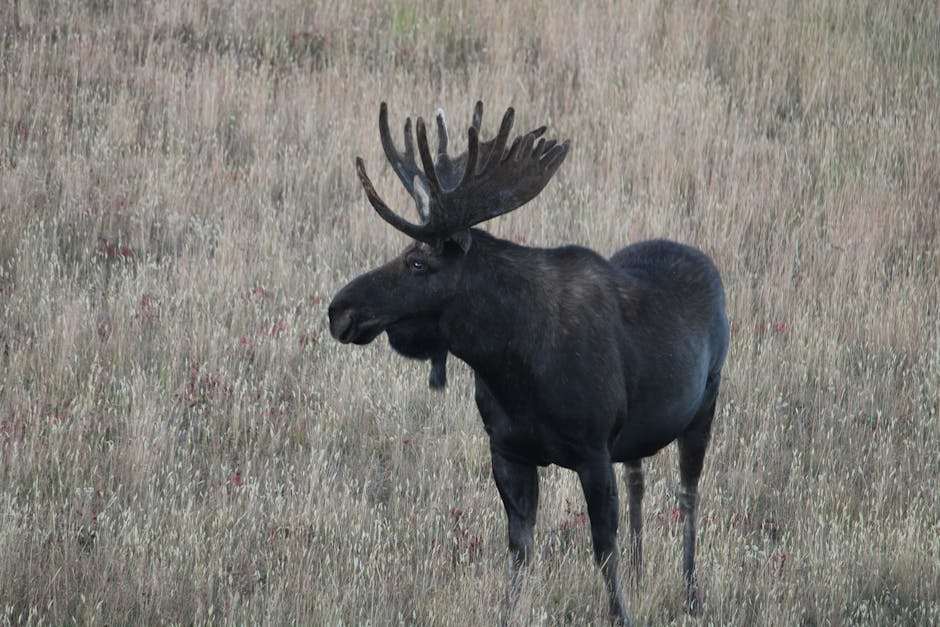
Anchorage offers some of the world’s most accessible wildlife viewing opportunities, where you can encounter moose, black and brown bears, bald eagles, and beluga whales without venturing deep into the wilderness. The city’s unique position between Cook Inlet and the Chugach Mountains creates diverse habitats that support abundant wildlife just minutes from downtown.
This comprehensive guide reveals where to find Alaska’s iconic animals year-round, from roadside moose encounters to spectacular bear viewing tours. Whether you’re hoping for your first Alaska wildlife sighting or seeking the best photography opportunities, these proven locations and expert tips will maximize your chances of unforgettable animal encounters.
Year-Round Wildlife Viewing Calendar
Alaska’s wildlife follows distinct seasonal patterns that dramatically affect viewing opportunities. Understanding these cycles helps you target specific animals during their most active and visible periods around Anchorage.
Spring (April-May) brings awakening bears, migrating birds, and moose with newborn calves. Summer (June-August) offers peak viewing conditions with long daylight hours, salmon runs, and maximum animal activity. Fall (September-October) features rutting moose, berry-feeding bears, and migrating marine mammals. Winter (November-March) provides unique opportunities for urban moose viewing, bald eagles near ice-free waters, and occasional lynx sightings.
Peak Viewing Times by Species
Moose remain visible year-round in Anchorage, with calving season (May-June) and rutting season (September-October) offering the most dramatic behaviors. Bears are most active from late April through October, with peak salmon fishing opportunities in July and August. Bald eagles concentrate near open water during winter months and disperse throughout the area during summer breeding season.
Beluga whales appear in Cook Inlet from April through October, with peak viewing during summer months when they follow salmon runs into Turnagain Arm. Marine wildlife viewing reaches its pinnacle from June through September when Major Marine Tours offers optimal conditions for whale, sea otter, and seabird encounters.
Urban Wildlife Hotspots
Anchorage’s urban core provides surprisingly reliable wildlife viewing opportunities that require minimal travel and equipment. These accessible locations offer excellent introductions to Alaska wildlife for visitors with limited time or mobility constraints.
Kincaid Park and Tony Knowles Coastal Trail
The 11-mile Tony Knowles Coastal Trail and adjacent Kincaid Park create Anchorage’s premier urban wildlife corridor. Moose frequent the area year-round, often visible from paved trail sections during early morning and evening hours. The coastal location attracts bald eagles, especially during salmon runs and winter months when ice-free waters concentrate marine food sources.
Lynx occasionally appear in Kincaid Park’s forested sections during winter months, while black bears use the area during late summer berry seasons. The trail system’s accessibility makes it ideal for wildlife photography, with numerous viewpoints overlooking Cook Inlet where beluga whale sightings occur regularly from May through September.
Downtown and Hillside Neighborhoods
Anchorage’s residential areas, particularly the hillside neighborhoods, host frequent moose encounters that surprise first-time visitors. Bull moose often wander through yards during rutting season, while cow moose with calves seek shelter in suburban areas during spring calving periods.
Bald eagles nest in mature trees throughout Anchorage neighborhoods, with several well-known nesting sites visible from public areas. Urban coyotes have established territories throughout the city, most commonly spotted during early morning hours in areas like the University of Alaska Anchorage campus and adjacent green corridors.
Marine Wildlife Viewing
Cook Inlet’s rich marine ecosystem supports diverse wildlife populations accessible through shore-based viewing and boat tours. The inlet’s unique characteristics create exceptional opportunities for marine mammal encounters within an urban setting.
Beluga Whale Watching
Cook Inlet hosts one of Alaska’s most accessible beluga whale populations, with approximately 300 whales residing year-round in the inlet system. Turnagain Arm Beluga Whale Viewing opportunities peak during summer months when whales concentrate in areas like Turnagain Arm and Knik Arm following salmon runs.
Point Woronzof, Beluga Point along the Seward Highway, and Earthquake Park provide excellent shore-based viewing locations. The whales’ distinctive white coloration makes them easily identifiable from coastal viewpoints, especially during calm weather conditions when their spouts and dorsal fins become visible from considerable distances.
Prince William Sound Expeditions
While technically outside Anchorage, Prince William Sound represents Alaska’s premier marine wildlife destination, easily accessible through day trips from the city. The sound’s protected waters support sea otters, Steller sea lions, harbor seals, orcas, humpback whales, and massive seabird colonies.
Professional tour operators provide specialized wildlife viewing experiences that combine glacier viewing with marine mammal encounters. These excursions often produce sightings of species rarely seen from shore, including orcas, fin whales, and Dall’s porpoises that inhabit the deeper waters of the sound.
Bear Viewing Opportunities
Anchorage area supports both black and brown bear populations, with viewing opportunities ranging from roadside encounters to specialized bear viewing tours. Understanding bear behavior and safety protocols ensures both memorable experiences and personal safety.
Local Bear Habitats
Black bears frequent Anchorage’s forested areas, particularly during late summer berry seasons when they concentrate in areas like Chugach State Park, Far North Bicentennial Park, and the Campbell Creek greenbelt. These bears often become visible along hiking trails and in residential areas adjacent to natural habitat.
Brown bears inhabit the higher elevations surrounding Anchorage but occasionally descend to lower elevations during salmon runs or food shortages. Turnagain Arm and the Seward Highway corridor provide occasional brown bear viewing opportunities, particularly during late summer months.
Specialized Bear Tours
For guaranteed bear encounters, specialized flightseeing tours offer access to remote bear concentrations throughout Alaska. These tours provide access to pristine bear habitats where brown bears gather in large numbers during salmon spawning periods, eliminating the uncertainty of self-guided bear watching while providing expert guides who understand bear behavior and safety protocols.
Bird Watching and Eagle Viewing
Anchorage’s diverse habitats support over 200 bird species, ranging from massive bald eagles to tiny songbirds. The city’s location along major migration routes creates exceptional birding opportunities throughout the year.
Bald Eagle Concentrations
Bald eagles maintain year-round populations throughout Anchorage, with winter concentrations near ice-free waters and summer dispersal throughout breeding territories. The Anchorage small boat harbor, Ship Creek, and coastal areas provide reliable eagle viewing throughout winter months when birds concentrate near open water and food sources.
Eagle nests become active from March through August, with several well-known nesting sites visible from public areas. The birds’ impressive size and distinctive appearance make them easily identifiable even from considerable distances, creating excellent photography opportunities.
Migratory Bird Hotspots
Potter Marsh, Westchester Lagoon, and Jewel Lake host diverse migratory bird populations during spring and fall migration periods. These wetland areas provide critical habitat for ducks, geese, swans, sandhill cranes, and various shorebird species traveling between breeding and wintering grounds.
The Anchorage area’s location along the Pacific Flyway creates spectacular birding opportunities during peak migration periods in May and September, when hundreds of species pass through the region in concentrated time periods.
Photography and Viewing Tips
Successful wildlife viewing requires patience, appropriate equipment, and understanding of animal behavior patterns. These practical tips maximize your chances of memorable wildlife encounters while maintaining ethical viewing practices.
Essential Equipment
Binoculars prove essential for wildlife viewing, allowing detailed observation while maintaining safe distances from potentially dangerous animals. A spotting scope enhances marine wildlife viewing from coastal locations, particularly for distant whale and eagle sightings.
Photography equipment should emphasize telephoto capabilities over close-approach techniques. Long lenses allow impressive wildlife photography while respecting animal space requirements and personal safety considerations. Alaska Photo Treks provides specialized wildlife photography workshops that combine technical instruction with access to prime wildlife locations.
Optimal Viewing Conditions
Early morning and late evening hours consistently produce the best wildlife viewing opportunities, as most species maintain crepuscular activity patterns. Weather conditions significantly affect viewing success, with calm, clear conditions providing optimal visibility for both terrestrial and marine wildlife.
Seasonal timing influences both animal behavior and accessibility, with each season offering unique advantages. Spring provides peak activity levels as animals emerge from winter dormancy, while summer offers maximum daylight hours and optimal weather conditions. Fall features dramatic behaviors like rutting and migration, while winter concentrates animals near reliable food and water sources.
Wildlife Safety Guidelines
Alaska wildlife viewing requires constant attention to safety protocols that protect both animals and observers. Understanding proper wildlife etiquette ensures positive experiences while preventing dangerous encounters.
Moose Safety
Moose cause more human injuries in Alaska than bears, requiring respectful behavior around these deceptively docile-appearing animals. Maintain minimum distances of 25 yards from moose, increasing to 100+ yards during rutting season or when cows have calves present.
Warning signs include laid-back ears, raised hackle hair, and aggressive posturing. Unlike bear encounters, you can and should run from charging moose, using trees, vehicles, or buildings as barriers. Never attempt to approach moose for photographs or attempt to feed these wild animals.
Bear Safety Protocol
Bear encounters require specific responses depending on species and circumstances. Make noise in bear habitat to avoid surprise encounters, travel in groups when possible, and carry bear spray in accessible locations. Never run from bears, instead stand tall, speak calmly, and slowly back away while avoiding direct eye contact.
Black bears often bluff charge before retreating, while brown bears may require different responses including playing dead during defensive attacks. Professional guides provide essential safety training for visitors unfamiliar with bear behavior and response protocols.
Educational Wildlife Experiences
Anchorage offers several educational facilities that provide guaranteed wildlife encounters combined with conservation education. These venues complement wild viewing with structured learning opportunities about Alaska’s ecosystems.
The Alaska SeaLife Center in nearby Seward features Alaska’s only marine mammal rehabilitation facility, offering close encounters with seals, sea lions, and seabirds in naturalistic settings. The center’s research focus provides educational value that enhances understanding of marine ecosystem conservation.
Alaska Zoo houses both native and exotic species, providing guaranteed animal encounters when wild viewing proves unsuccessful. The zoo’s Alaska-focused exhibits feature native species in naturalistic settings that illustrate regional wildlife diversity and conservation challenges.
Planning Your Wildlife Adventure
Successful wildlife viewing expeditions require flexible planning that accommodates Alaska’s unpredictable weather and animal behavior patterns. Multiple location options and realistic expectations ensure rewarding experiences regardless of specific animal encounters.
Combine multiple viewing strategies during single trips, incorporating urban wildlife hotspots, marine viewing opportunities, and specialized tours that target specific species or behaviors. Weather contingency plans ensure productive wildlife experiences even during marginal conditions that might limit certain activities.
Consider seasonal animal behavior patterns when planning wildlife expeditions, targeting peak activity periods for priority species while maintaining backup options for secondary wildlife interests. Professional tour operators provide valuable local expertise that maximizes wildlife encounter opportunities while ensuring safety and educational value.
Featured photo by Tim Kirkland on Pexels.


No comments yet.