
Anchorage Photography Guide: Best Spots & Tips 2026
Understanding Alaska’s Unique Lighting Conditions
Alaska’s extreme latitude creates lighting conditions that’ll challenge and inspire photographers like nowhere else on Earth. During summer’s midnight sun season, you’ll have nearly 24 hours of usable light, but the quality changes dramatically throughout the day. The golden hour extends for hours rather than minutes, creating stunning opportunities for landscape photography with warm, side-lit mountains and glaciers.
Winter photography in Anchorage presents the opposite extreme—limited daylight hours that compress into intense, dramatic lighting periods. The low sun angle creates long shadows and golden light that lasts much of the short day. Understanding these seasonal variations helps photographers plan shoots and adjust expectations for different times of year.
Cloud cover affects Alaska photography more than most locations. Marine air from the Pacific creates rapidly changing weather that can transform lighting conditions within minutes. Learn to work with Alaska’s moody skies rather than fighting them—overcast conditions often provide perfect diffused light for wildlife and forest photography.
Essential Camera Equipment for Alaska Conditions
Alaska’s harsh environment demands reliable, weather-resistant photography equipment. DSLR and mirrorless cameras with weather sealing perform best in Alaska’s variable conditions. Bring extra batteries, as cold temperatures drain power rapidly. Lithium batteries outperform alkaline options in cold weather, and keeping spare batteries warm in interior pockets extends shooting time.
Lens selection depends on your photographic goals, but versatility proves crucial in Alaska’s remote locations. A 24-70mm lens covers most landscape and travel photography needs, while a 70-200mm lens excels for wildlife photography from safe distances. Wide-angle lenses (14-24mm) capture Alaska’s vast landscapes and Northern Lights effectively.
Essential accessories include lens filters for managing Alaska’s extreme light contrasts. Polarizing filters reduce glare from snow and water while enhancing sky contrast. Neutral density filters allow longer exposures for smooth water and cloud movement. UV filters protect valuable lenses from wind-blown sand and salt spray near coastlines.
Cold Weather Photography Techniques
Condensation becomes a major concern when moving equipment between cold outdoor temperatures and warm indoor spaces. Allow cameras to warm gradually in sealed bags before removing them indoors. This prevents moisture from forming on internal components and lenses.
Focus systems may slow down in extreme cold. Manual focus often becomes necessary in temperatures below freezing, especially for macro photography and precise landscape focusing. Practice manual focus techniques before your trip to maintain productivity when autofocus systems struggle.
Prime Landscape Photography Locations
Anchorage provides access to diverse landscape photography opportunities within short distances. Williwaw Lakes Trail offers alpine photography with reflection opportunities and changing seasonal colors. The trail provides multiple compositions from meadow wildflowers to rugged mountain peaks, making it ideal for photographers seeking variety within a single location.
Coastal photography opportunities abound around Anchorage, with constantly changing light reflecting off Cook Inlet and the surrounding mountain ranges. Tidal patterns create varying foreground opportunities, from mudflats to ice formations depending on season and weather conditions.
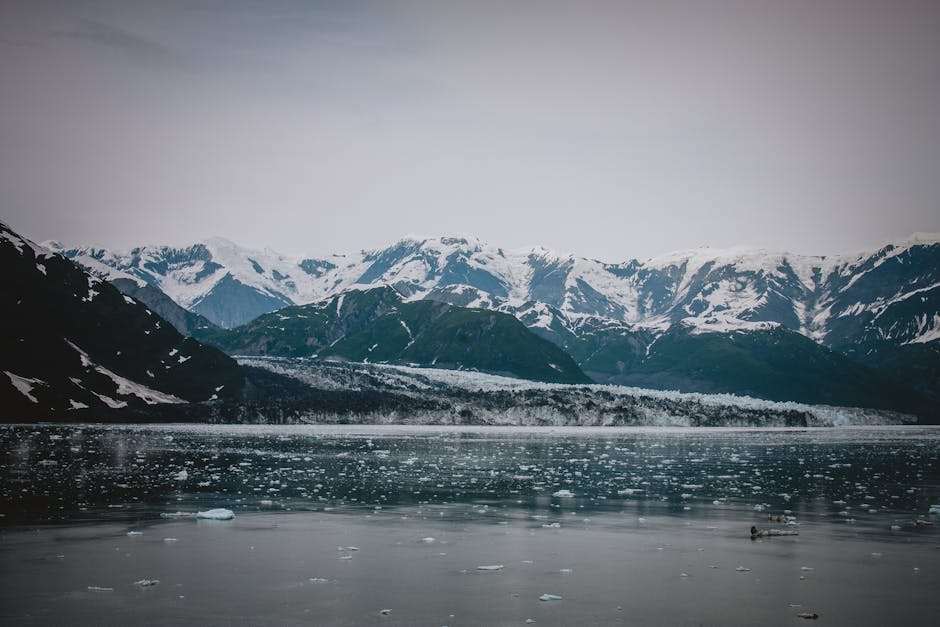
Day trips to locations like Portage Glacier provide world-class glacier photography opportunities. The changing ice formations, dramatic mountain backdrops, and unique blue ice colors create compositions impossible to find elsewhere. Visit different times of day to capture varying light conditions on the ice.
Wildlife Photography Ethics and Safety
Alaska wildlife photography requires strict adherence to safety protocols and ethical guidelines. Maintain safe distances from all wildlife—use long lenses rather than approaching animals. Moose, common in Anchorage neighborhoods, can be particularly dangerous during rutting season and when protecting calves. A 300mm lens minimum allows safe wildlife photography from appropriate distances.
Bears require extreme caution and advance planning. Never approach bears for photographs, and always carry bear spray in accessible locations. Some areas restrict access during salmon runs when bear activity increases. Check current wildlife alerts before venturing into backcountry areas for photography.
Marine wildlife viewing through tours like Major Marine Tours provides ethical opportunities to photograph whales, seals, and seabirds from appropriate distances. Professional guides understand wildlife behavior and position boats for optimal viewing while minimizing disturbance to animals.
Respecting Wildlife Habitats
Stick to established trails and viewing areas to minimize environmental impact. Avoid creating new paths to reach specific compositions, as Alaska’s vegetation recovers slowly from damage. Pack out all trash, including small items like lens caps and memory card cases that can impact wildlife if lost.
Nesting birds require special consideration. Many Alaska bird species nest on the ground or in low vegetation. Stay on designated trails during nesting seasons (typically May through August) to avoid disturbing breeding activities.
Northern Lights Photography Techniques
Aurora photography represents one of Alaska’s most coveted photographic opportunities. Success requires planning, patience, and technical knowledge. Check aurora forecasts and plan shoots during new moon periods for darkest skies. Aurora activity typically peaks between 10 PM and 2 AM during Alaska’s aurora season (September through April).
Camera settings for aurora photography differ significantly from standard night photography. Start with ISO 1600-3200, aperture f/2.8-f/4, and shutter speeds between 15-25 seconds. Longer exposures blur aurora movement, while shorter exposures may not capture enough light. Experiment with these settings based on aurora intensity and desired artistic effect.
Foreground composition elevates aurora photography beyond simple sky documentation. Include trees, mountains, or structures to provide scale and context. Scout locations during daylight to identify interesting foreground elements and composition possibilities for night shoots.
Seasonal Photography Opportunities
Each Alaska season offers distinct photographic advantages. Spring (May-June) provides wildflower photography, awakening wildlife, and interesting snow/green contrasts as winter transitions to summer. Waterfalls run at peak volume, creating dynamic water photography opportunities.
Summer (July-August) delivers peak wildlife activity, accessible high-altitude locations, and extended shooting hours. However, increased tourism means crowded viewpoints and higher accommodation costs. Plan summer shoots for early morning or late evening hours to avoid crowds and find optimal lighting.
Fall (September-October) offers dramatic color changes, active wildlife preparing for winter, and returning aurora activity. Weather becomes more unpredictable, but successful shoots often yield the year’s most dramatic imagery. Berry seasons provide excellent macro photography subjects.
Winter (November-April) creates unique opportunities for ice and snow photography, aurora imaging, and stark landscape compositions. Limited daylight hours concentrate shooting into shorter periods but often provide more dramatic lighting than summer’s extended gentle light.
Adventure Photography and Outdoor Activities
Alaska adventure photography combines technical challenges with physical demands. Companies like Chugach Adventures provide access to remote locations while ensuring safety in Alaska’s wilderness. Professional guides understand weather patterns and can position groups for optimal photography opportunities while maintaining safety protocols.
Water-based photography through organizations like Prince William Sound Kayak Center offers unique perspectives on Alaska’s marine environment. Waterproof camera housings become essential for kayak-based photography, protecting equipment from spray and potential submersion.
Aerial photography opportunities abound through flightseeing tours that provide perspectives impossible from ground level. Helicopter and fixed-wing tours offer different advantages—helicopters provide more positioning control, while fixed-wing aircraft cover greater distances for landscape overview shots.
Post-Processing Alaska Photography
Alaska’s extreme lighting conditions often require careful post-processing to achieve natural-looking results. RAW file capture becomes essential for maintaining detail in highlights and shadows. Alaska landscapes frequently feature extreme contrast between bright snow/ice and dark rock formations.
Color temperature adjustments help correct the blue cast common in snow photography and the warm cast of extended golden hour light. Use graduated neutral density filters (physical or digital) to balance exposure between bright skies and darker foregrounds.
Aurora photography benefits from careful noise reduction and selective color enhancement. Avoid over-processing aurora images—natural colors often provide more impact than heavily saturated artificial versions. Focus on bringing out detail while maintaining the ethereal quality that makes aurora photography special.
Photography Etiquette and Responsible Tourism
Alaska photography tourism requires balancing creative goals with respect for local communities and environments. Popular photography locations can become overcrowded during peak seasons. Arrive early, be patient, and respect other photographers’ space and timing.
Instagram-worthy locations have increased pressure on Alaska’s most photogenic spots. Practice Leave No Trace principles religiously—don’t create new trails to reach specific compositions, don’t move natural objects for better arrangements, and pack out all trash including small items like lens caps.
Respect private property and cultural sites. Many Alaska Native communities have specific photography protocols. Always ask permission before photographing people, cultural activities, or private property. Some locations may restrict photography entirely during certain cultural or seasonal activities.
Technical Tips for Challenging Conditions
Alaska’s rapidly changing weather requires flexible shooting techniques. Always carry rain protection for cameras and lenses. Plastic bags provide emergency protection, while dedicated rain covers offer better functionality for extended shooting in precipitation.
High wind conditions affect telephoto photography significantly. Use sturdy tripods with wide leg spreads and consider adding weight to the tripod center column for stability. Image stabilization helps but can’t overcome severe camera shake from wind exposure.
Extreme cold affects LCD screens, making camera menu navigation difficult. Learn your camera’s button layout thoroughly to operate controls while wearing gloves or when screens become unresponsive. Touch screens often fail in very cold conditions.
Planning Your Alaska Photography Adventure
Successful Alaska photography requires advance planning beyond typical travel preparation. Research weather patterns, wildlife activity cycles, and seasonal road closures that affect access to photography locations. Some areas become inaccessible during winter months or require special permits during wildlife sensitive periods.
Backup plans become essential due to Alaska’s unpredictable weather. Identify multiple locations for each type of photography you want to accomplish. Indoor photography opportunities like museums or cultural centers provide alternatives when outdoor conditions become impossible.
Equipment redundancy prevents trip-ending failures. Bring backup memory cards, extra batteries, and critical lens cleaning supplies. Camera equipment rental shops in Anchorage provide options for specialized lenses or backup cameras if luggage restrictions limit equipment options.
FAQ
What’s the best time of year for Alaska photography?
Each season offers unique advantages. Summer (June-August) provides accessible locations and wildlife activity. Fall (September-October) offers aurora season and dramatic colors. Winter creates unique opportunities for ice photography and Northern Lights, while spring (May) brings waterfalls and emerging wildlife.
Do I need special equipment for cold weather photography?
Yes, cold weather affects batteries, LCD screens, and moving parts. Bring extra lithium batteries, lens cloths for condensation, and weather protection. Weather-sealed cameras perform better, but any camera can work with proper preparation and protection techniques.
How close can I get to Alaska wildlife for photography?
Maintain at least 25 yards from most wildlife, 100 yards from bears, and follow all posted guidelines. Use long telephoto lenses (300mm minimum) rather than approaching animals. Professional wildlife tours provide safe viewing distances while maximizing photography opportunities.
What camera settings work best for Northern Lights?
Start with ISO 1600-3200, f/2.8-f/4, and 15-25 second exposures. Adjust based on aurora intensity and desired effect. Use manual focus set to infinity, and include foreground elements for more compelling compositions than aurora-only shots.
Are there photography restrictions in Alaska?
Some areas restrict photography during wildlife sensitive periods, and certain cultural sites require permission. Always respect private property, check current regulations for specific locations, and follow Leave No Trace principles to preserve locations for future photographers.
Featured photo by Lloyd Douglas on Pexels.
No comments yet.