
Alaska Summer Weather & Packing Guide
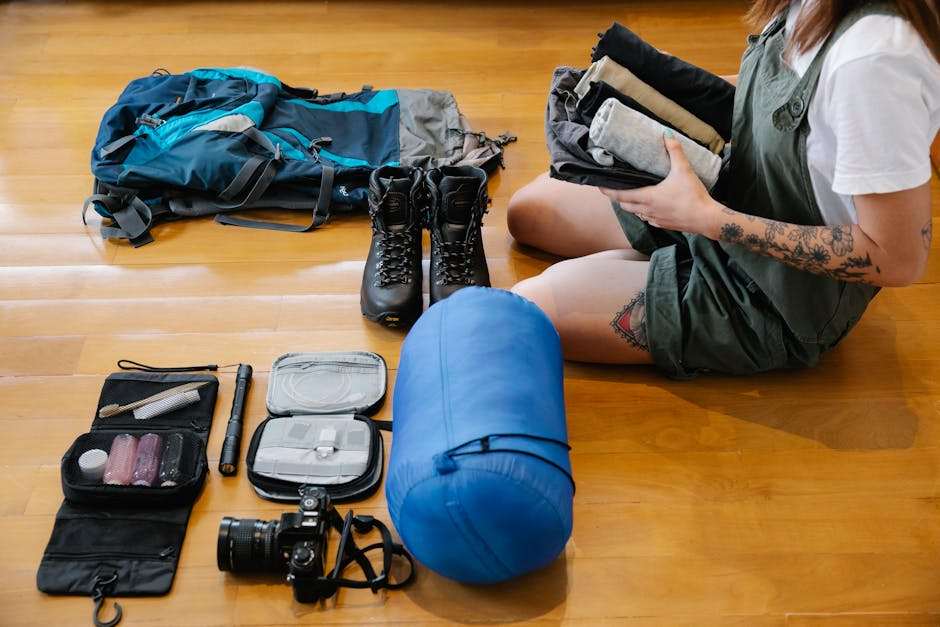
Alaska Summer Weather & Packing Guide: Essential Preparation
Alaska’s summer weather isn’t what most people expect. Forget everything you think you know about “summer” and prepare for a season that can swing from 70°F and sunny to 45°F and drizzling within the same afternoon. With the right preparation, Alaska’s variable weather becomes part of the adventure, not an obstacle.
Alaska’s summer runs roughly from mid-May through mid-September, containing enough weather variety to keep you on your toes. You’ll experience everything from warm, pleasant days perfect for hiking to cool, misty conditions that make you appreciate good rain gear. The key is layering and being ready for anything.
This guide helps you pack smart for Alaska summer weather, whether you’re planning day trips around Anchorage, wilderness adventures, or urban exploration mixed with outdoor activities. The difference between a comfortable Alaska trip and a cold, wet struggle often comes down to what you pack.
Month-by-Month Weather Patterns
May: Spring Transition (45°F-60°F)
May feels like a battle between winter and summer. Daytime temperatures range from 45°F to 60°F, while nights can drop into the 30s. Rain is common, often mixed with late-season snow at higher elevations. Many wilderness areas remain inaccessible due to snow, but urban attractions and lower-elevation hikes are generally open. The bonus: 16+ hours of daylight and fewer crowds.
June: Sweet Spot Begins (50°F-70°F)
June marks genuine summer weather, with Alaska’s famous midnight sun providing nearly 19 hours of daylight by the solstice. Rain comes as brief showers rather than all-day events. Most trails become accessible and weather generally cooperates for outdoor activities. Many Alaska Outdoor Adventures companies begin full seasonal operations.
July: Peak Summer (55°F-75°F)
July offers Alaska’s warmest and most stable weather. Some days push into the upper 70s or low 80s, especially in Anchorage’s protected areas. This is peak tourist season – July provides the most predictable weather for outdoor activities. Rain occurs regularly but often briefly, followed by clearing skies. Extended daylight (18+ hours) maximizes activity time.
August: Warm Days, Fall Hints (60°F-70°F)
August continues July’s pleasant pattern but with subtle changes hinting at autumn. Daytime temperatures remain in the 60s-70s, but nighttime lows drop more consistently into the 40s. Rain becomes more frequent and persistent. Daylight decreases from 18+ hours to about 15 hours by month’s end.
September: Beautiful but Unpredictable (35°F-65°F)
September can deliver Alaska’s most beautiful weather – crisp, clear days showcasing fall colors against snow-capped mountains. However, weather becomes truly unpredictable, with wide temperature swings and possible early snow. Pack for both warm and cold conditions.
Essential Packing Strategies
The Golden Rule: Layer Everything
Alaska summer dressing is about layers you can add or remove as conditions change. A typical day might start at 45°F, warm to 70°F by afternoon, cool to 55°F by evening, and drop to 40°F overnight. No single outfit handles that range, but layers do.
Start with moisture-wicking base layers (synthetic materials or merino wool). Add insulating mid-layers like fleece or down jackets that pack away easily. Top with a waterproof, breathable shell protecting against rain and wind. This system works whether exploring downtown Anchorage or heading out with Major Marine Tours.
Rain Gear Is Essential
Alaska receives significant summer rainfall, often arriving without warning. Quality rain gear isn’t optional – it’s essential equipment. Invest in a waterproof jacket with hood and waterproof pants for outdoor activities. Look for gear with ventilation zippers, as rain often coincides with physical activity generating body heat.
Waterproof footwear is equally important. Choose between waterproof hiking boots or lightweight rain boots depending on planned activities. Don’t rely on regular sneakers to keep feet dry.
Essential Packing Checklist
Clothing Essentials
- Base layers: Moisture-wicking synthetic or merino wool shirts and long underwear
- Insulation: Fleece jacket or down vest, warm sweater
- Shell layer: Waterproof jacket with hood, rain pants
- Pants: Quick-dry hiking pants, jeans for casual wear, warm leggings
- Footwear: Waterproof hiking boots, comfortable walking shoes, warm socks
- Accessories: Warm hat, sun hat, gloves, sunglasses
Activity-Specific Additions
Hiking & Outdoor Activities: Gaiters for muddy trails, extra socks, blister treatment, headlamp, backpack rain cover
Wildlife Viewing & Photography: Binoculars, camera rain protection, extra batteries (cold drains power quickly), comfortable folding chair
Urban Exploration: Comfortable walking shoes, light daypack, umbrella for city use
Weather Preparation Tips
Monitor Conditions
Alaska weather changes rapidly. Check forecasts regularly and be prepared to adjust plans. Mountain weather can differ dramatically from valley conditions. Always carry emergency supplies when venturing into wilderness areas.
Embrace the Variability
Don’t let weather disappointment ruin your trip. Rainy days offer opportunities to visit museums, enjoy Alaska Tours with indoor components, or experience the cozy side of Alaskan culture. Some of the most dramatic photography happens during stormy weather.
Stay Flexible
Build flexibility into your itinerary. Weather delays are common and part of the Alaska experience. Have backup plans for outdoor activities and don’t overschedule your days.
Common Packing Mistakes
Overpacking cotton: Cotton retains moisture and loses insulation when wet. Stick to synthetic materials and wool.
Forgetting sun protection: Alaska’s long summer days and reflection from water and snow create significant UV exposure.
Skipping warm layers: Even in July, you’ll need warm clothing for early mornings, evenings, and mountain areas.
Inadequate footwear: Muddy trails, wet conditions, and uneven terrain demand proper footwear.
Alaska summer weather rewards preparation and punishes assumptions. Pack for variability, embrace the unexpected, and remember that there’s no such thing as bad weather in Alaska – only inappropriate clothing. With proper preparation, Alaska’s ever-changing summer weather becomes part of what makes your adventure uniquely memorable.




No comments yet.