Alaska Whitewater Rafting 2026: Six Mile Creek, Matanuska River & the Best Rapids
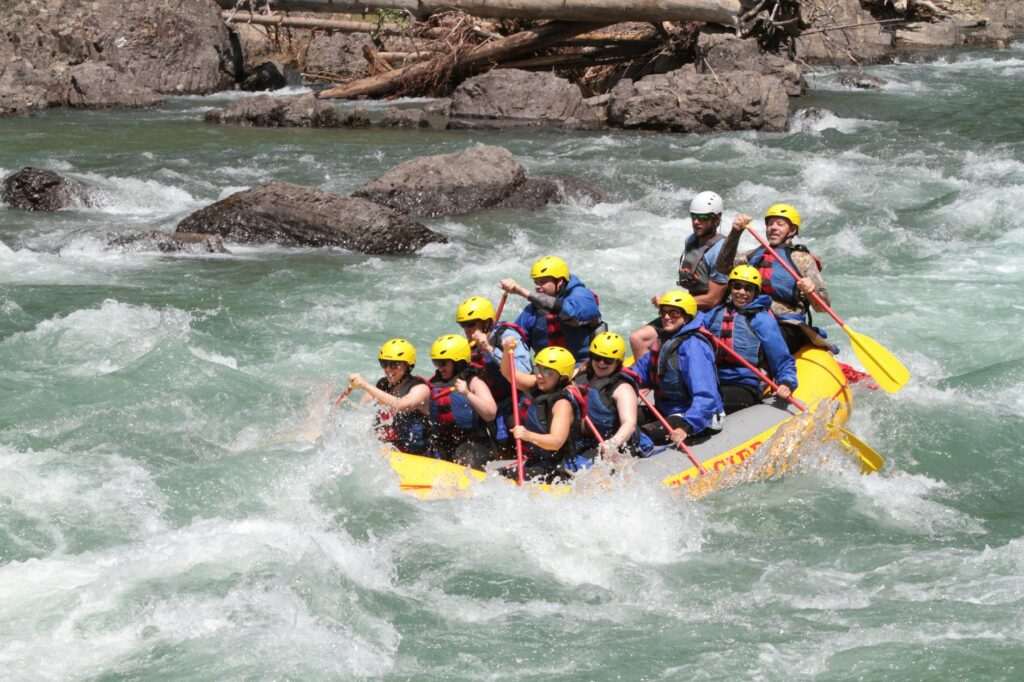
Six Mile Creek doesn’t let you ease in. The first canyon hits within minutes of putting in near Hope, and the water moves with the urgency of a glacier-fed river that has spent 60 miles building momentum before it gets to you. This is Class IV-V whitewater — serious, cold, exhilarating, and completely different from any other outdoor experience available within two hours of Anchorage. Alaska’s rivers don’t get as much attention as its mountains and glaciers, but the rafting near the city rivals anything in North America for raw intensity. This guide covers the two premier runs accessible from Anchorage, what each involves, how to book, and what to expect when you get on the water.
Six Mile Creek: Alaska’s Premier Whitewater Run
Six Mile Creek flows from the Kenai Mountains into Turnagain Arm near the town of Hope — a 90-mile drive from Anchorage that takes about two hours via the Seward Highway and Hope Highway. The run is divided into three canyons of escalating difficulty, and the complete three-canyon experience is one of the most demanding commercially guided raft trips in the state.
Canyon One is the warmup: Class III-IV water that introduces the hydraulics and speed of the river without the commitment of the upper canyons. Most guided trips use the first canyon to calibrate the group and build paddling coordination before the stakes increase. Canyon Two steps up to sustained Class IV, with named rapids — Suckhole, S-Turn, and others — that require coordinated team paddling and precise line selection from the guide. Canyon Three is Class IV-V and is the reason Six Mile has the reputation it does. The water is fast, the drops are significant, and the walls of the canyon close in on either side. Flips happen; guides expect them and brief participants accordingly.
The run is guided-only — no independent kayaking or rafting is permitted on Six Mile in the commercial sense, and the technical difficulty makes independent attempts genuinely dangerous. Major operators running the creek include Nova Raft & Adventure Tours and Chugach Outdoor Center, both of which have operated on Six Mile for decades. A full three-canyon day trip typically runs 4 to 6 hours on the water and costs approximately $100–$140 per person. Half-day two-canyon trips are available for those who want the intensity without the full commitment.
What to expect: Wetsuits are provided by all operators — Six Mile runs cold year-round, and immersion is a real possibility. Helmets and personal flotation devices are mandatory and provided. Minimum age is typically 12–16 depending on the operator and water level; minimum weight requirements (usually 90–100 lbs) exist for life jacket fit. No prior rafting experience is required, but physical fitness matters — you will be paddling hard on command for several hours, and the ability to swim confidently is essential. The season runs May through September, with early-season high water (May-June) producing the most intense conditions and mid-summer offering more predictable levels.
Matanuska River: Glacier-Fed Class III-IV
The Matanuska River runs glacier-blue — the color comes from glacial flour suspended in the water, which scatters light at the blue-green end of the spectrum and turns the river a shade that doesn’t look real. The river flows from the terminus of Matanuska Glacier through the valley east of Palmer, and commercial rafting put-ins are located near Chickaloon, about 75 miles from Anchorage (approximately 1.5 hours via the Glenn Highway).
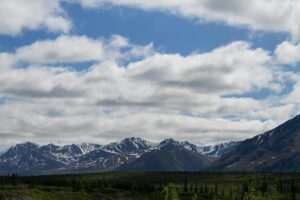
The Matanuska runs Class III-IV, which places it firmly in the intermediate category — more serious than a float trip, with genuine whitewater and technical sections, but accessible to fit beginners with proper guidance. The rapids are named and distinct: Tidal Wave, Gorilla, and others build in intensity as the river moves through the canyon section below the put-in. What distinguishes the Matanuska from Six Mile is the scenery as much as the water: the Chugach Mountains frame the valley, and in the upper sections the glacier itself is visible above the treeline, the blue ice of the terminus hanging above the turquoise river below it.
Nova Raft & Adventure Tours operates on both Six Mile and the Matanuska, making it possible to book both runs with a single outfitter if you are planning an extended adventure itinerary. NOVA’s Matanuska trips typically run 3 to 4 hours on the water, with shuttle and briefing adding time on either end. Approximate cost is $80–$120 per person. Drysuits are available for early-season trips when air temperatures are still cold; wetsuits are standard for mid-summer. Minimum age is typically 12 for the Matanuska’s Class III-IV sections, and younger children (8+) may be accommodated on lower-water days at guide discretion.
Booking ahead: Summer weekend trips on the Matanuska fill weeks in advance. If your target date is a Saturday or Sunday in July or August, booking 3 to 4 weeks out is the minimum; popular dates with established operators can fill earlier. Weekday trips have better availability and smaller groups, which often translates to a more attentive guide experience.
Lion Head on the Nenana River: The Denali Extension
For visitors combining a rafting trip with a Denali National Park itinerary, the Nenana River near the park entrance offers Class IV whitewater that rivals anything on the Kenai or Matanuska. The Nenana flows through a narrow canyon between the Alaska Range foothills, and the Lion Head section — a stretch of continuous Class IV through boulder fields and hydraulics — is the run that defines the river’s reputation. Multiple operators, including NOVA and Denali Outdoor Center, run the Nenana from the town of Healy and the park entrance area. The 2.5-hour drive north from Anchorage (or a short drive from a Denali lodging base) makes it a natural addition to a Parks Highway road trip rather than a standalone Anchorage day trip. Add it to the end of a Denali visit — a morning on the river before the drive back south is one of the better ways to spend the last day of an Interior Alaska itinerary.
Photography on the Water
Cameras and rafting are an awkward combination in Class IV-V water. Phones in dry bags can capture usable video but tend to produce shaky footage; dedicated action cameras (GoPro-style mounts on helmet or chest harness) are the standard setup for self-captured footage. Most operators offer or recommend photography packages — a shore photographer or boat-mounted camera system that captures key rapid runs without compromising your ability to paddle. Ask about photo packages when booking; they are typically $20–$40 additional and produce the kind of evidence that makes the trip shareable. On the Matanuska, the glacier backdrop makes even mediocre framing look good.
Practical Planning
Gear: Wear synthetic layers underneath the wetsuit — cotton retains cold water and should not be worn. Operators provide wetsuits, helmets, and PFDs; bring water shoes or old sneakers that can get wet and secure on your feet. Sandals are not acceptable footwear on the water. Bring a change of clothes and a dry bag for your car-keys and valuables.
Physical requirements: No technical skills are needed, but swimming ability is not optional. Every guide briefing includes instruction on what to do if you swim — float on your back, feet downstream, and work toward an eddy. Practice the briefing in your head before you get in the raft. Participants with heart conditions or back injuries should consult with operators before booking.
Logistics: Six Mile Creek operators typically offer shuttle service from Anchorage or meet-at-Hope options. Matanuska River trips generally require self-transport to Chickaloon; the Glenn Highway drive is scenic and the valley itself is worth seeing before you get on the water. Budget a full day for either run — travel, briefing, time on water, and the drive back — and do not schedule tight commitments for the evening after a Six Mile three-canyon day.
Alaska’s whitewater doesn’t ask for your experience level — it asks for your attention. The rivers are cold, the rapids are real, and the guides who run them do this every day of the season. Show up ready to paddle hard, listen to your guide, and the water will do the rest. Six Mile Creek is one of the best reasons to leave Anchorage for a day. The glacier will still be there when you get back.
Featured photo by Walter Rock on Pexels.
No comments yet.