
Alaska Summer Wildlife Viewing: Anchorage Hotspots Guide
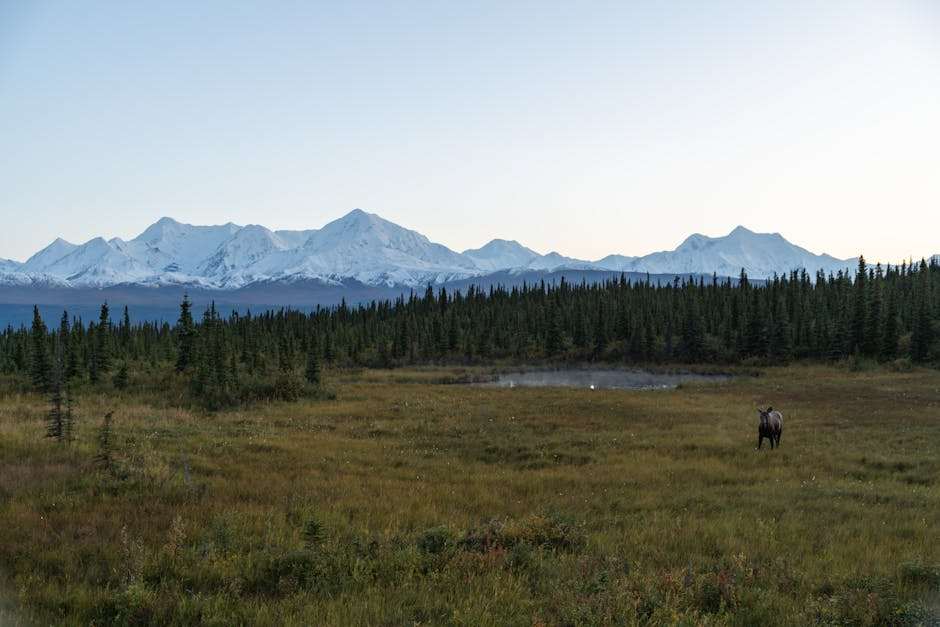
Alaska’s summer months offer unparalleled wildlife viewing opportunities that’ll leave you breathless. From massive grizzly bears fishing for salmon to majestic humpback whales breaching in pristine waters, summer is when Alaska’s wildlife truly comes alive. Whether you’re based in Anchorage or planning your first Alaska adventure, this comprehensive guide will help you discover the best spots to witness nature’s most incredible performances.
Prime Bear Viewing Locations
Alaska’s brown and black bears are most active during summer months when salmon runs provide abundant food sources. The best viewing typically occurs from late June through September.
Brooks Falls, Katmai National Park offers the most iconic bear viewing experience in Alaska. You’ll watch massive brown bears positioning themselves at the falls to catch jumping salmon – it’s nature’s ultimate fishing tournament. The park’s webcams have made this spot famous worldwide, but experiencing it firsthand is truly magical.
Pack Creek, Admiralty Island provides intimate bear viewing in a pristine wilderness setting. This brown bear preserve requires advance permits but offers guaranteed sightings during peak season. The guided viewing platform ensures safe distances while maximizing your photo opportunities.
For those staying closer to Anchorage, Alaska Wildlife Conservation Center offers year-round bear viewing including rescued bears that can’t be released into the wild. It’s an excellent introduction to Alaska’s bears before venturing into the wilderness.
Whale Watching Paradise
Alaska’s coastal waters become a whale superhighway during summer months. Multiple species migrate through these nutrient-rich waters, creating spectacular viewing opportunities.
Resurrection Bay near Seward offers some of Alaska’s most reliable whale watching. Humpback whales, orcas, fin whales, and minke whales frequent these waters from May through September. The dramatic fjord setting adds to the experience – you’ll see whales with towering glaciers as your backdrop.
Prince William Sound provides equally impressive whale watching with the added bonus of sea otters, seals, and incredible glacier viewing. Many tours departing from Major Marine Tours combine whale watching with glacier viewing for a complete Alaska experience.
Kenai Fjords National Park offers the most diverse marine wildlife viewing in the state. You’ll see multiple whale species plus Steller sea lions, harbor seals, and thousands of seabirds. The park’s day cruises are perfect for families wanting to maximize wildlife encounters.
Birding Hotspots
Alaska hosts over 470 bird species, making summer an incredible time for birding enthusiasts. The state’s diverse habitats support everything from massive bald eagles to tiny arctic terns.
Copper River Delta serves as a critical stopover for millions of migrating birds. During peak migration in late April and May, you can see up to 20 million shorebirds. Summer residents include sandhill cranes, trumpeter swans, and numerous raptor species.
Pribilof Islands offer the ultimate Alaska birding adventure. These remote islands host over 240 bird species including massive seabird colonies. Puffins, murres, and kittiwakes nest on dramatic cliffs while arctic foxes add to the wildlife viewing.
Closer to Anchorage, Potter Point State Game Refuge provides excellent birding without the expense of remote travel. The area hosts bald eagles, beluga whales, and diverse waterfowl throughout summer months. You can easily combine birding here with a scenic drive along the Tony Knowles Coastal Trail.
Marine Mammal Encounters
Alaska’s marine mammals are incredibly active during summer months when food sources are abundant and weather conditions are optimal.
Beluga whales can be spotted year-round in Cook Inlet, but summer offers the best viewing conditions. These white whales often come close to shore, making them visible from many Anchorage viewpoints. Beluga Point along the Seward Highway provides excellent roadside viewing.
Steller sea lions gather at traditional rookeries during summer breeding season. The massive bulls can weigh over 2,000 pounds, creating impressive wildlife viewing opportunities. Kenai Fjords tours regularly encounter these powerful marine mammals.
Sea otters are most active during summer months when they’re feeding and caring for pups. Prince William Sound and Resurrection Bay offer reliable otter viewing – watch for their playful behavior and tool use while floating on their backs. Many visitors discover excellent sea otter viewing opportunities during Portage Glacier excursions.
Safety and Viewing Ethics
Responsible wildlife viewing ensures these incredible animals remain wild and safe for future generations. Always maintain appropriate distances and follow established guidelines.
Bear Safety requires constant vigilance in Alaska’s wilderness. Carry bear spray, make noise while hiking, and store food properly. Never approach bears regardless of apparent behavior – even seemingly calm bears can become aggressive instantly.
Marine Wildlife Viewing regulations require boats to maintain 150 yards from whales and 100 yards from other marine mammals. Choose operators committed to responsible wildlife viewing practices and follow all guidelines provided by tour guides.
Photography Ethics means getting great shots without disturbing wildlife behavior. Use telephoto lenses instead of approaching animals, avoid flash photography, and never attempt to pose with wildlife for photos.
Photography Tips and Equipment
Alaska’s wildlife photography opportunities are world-class, but success requires proper preparation and equipment.
Essential Gear includes a telephoto lens (300mm minimum), extra batteries (cold weather drains them quickly), and weather protection for your equipment. Alaska’s summer weather can change rapidly from sunny to rainy.
Timing is crucial for wildlife photography success. Early morning and evening provide the best light and most active wildlife behavior. Many animals are less active during midday heat, even in Alaska’s mild summer temperatures.
Composition Tips for Alaska wildlife include capturing environmental context – show the dramatic landscapes that make Alaska unique. Include glaciers, mountains, or pristine waters in your wildlife shots to tell the complete story.
Guided Tours vs Independent Viewing
Both guided tours and independent viewing offer unique advantages for Alaska wildlife experiences.
Guided Tours provide expert knowledge, guaranteed access to prime viewing areas, and professional equipment like spotting scopes. Guides know animal behavior patterns and can position you for the best encounters. Tours also handle logistics, transportation, and safety considerations.
Independent Viewing offers flexibility, cost savings, and the satisfaction of discovering wildlife on your own. You can spend unlimited time at promising locations and adjust your schedule based on wildlife activity patterns.
Many visitors combine both approaches – starting with guided tours to learn from experts, then exploring independently with newfound knowledge. Popular hiking trails like Williwaw Lakes Trail offer excellent opportunities for independent wildlife viewing in pristine alpine settings.
Best Times and Seasonal Patterns
Understanding Alaska’s wildlife activity patterns maximizes your viewing success throughout summer months.
June brings the start of bear activity as they emerge from winter dens. Bird migration peaks in many areas, and marine mammals become increasingly active. Weather can still be unpredictable, but daylight hours are at their longest.
July offers peak wildlife activity across most species. Salmon runs begin in many areas, attracting bears and eagles. Whale feeding activity reaches maximum intensity as krill and small fish populations peak.
August provides the most reliable weather for wildlife viewing. Berry season attracts bears to hillsides, while continued salmon runs ensure active feeding behavior. This month offers the best combination of wildlife activity and comfortable conditions.
September brings fall colors and continued wildlife activity, though weather becomes more variable. Many tours operate reduced schedules, but wildlife viewing can be excellent with fewer crowds.
Planning Your Wildlife Adventure
Successful Alaska wildlife viewing requires advance planning, especially during peak summer season when tours and accommodations book quickly.
Book Early for popular destinations like Brooks Falls or Pribilof Islands. These remote locations have limited capacity and often sell out months in advance. Popular whale watching tours also fill quickly during summer months.
Consider Weather Contingencies when planning your schedule. Alaska’s weather can impact flight schedules and tour operations, so build flexibility into your itinerary. Multiple viewing opportunities increase your chances of success.
Pack Appropriately for variable conditions. Even summer weather in Alaska can include rain, wind, and cool temperatures. Waterproof clothing and warm layers ensure comfort during extended wildlife viewing sessions.
Alaska’s summer wildlife viewing opportunities are truly world-class. From the iconic bears of Brooks Falls to the marine mammal paradise of Prince William Sound, every day offers potential for incredible encounters with some of North America’s most magnificent wildlife. Plan ahead, respect the animals and their habitat, and prepare for wildlife experiences that’ll create memories lasting a lifetime.

No comments yet.