
Alaska State Fair 2026: Guide to the Palmer Event Near Anchorage
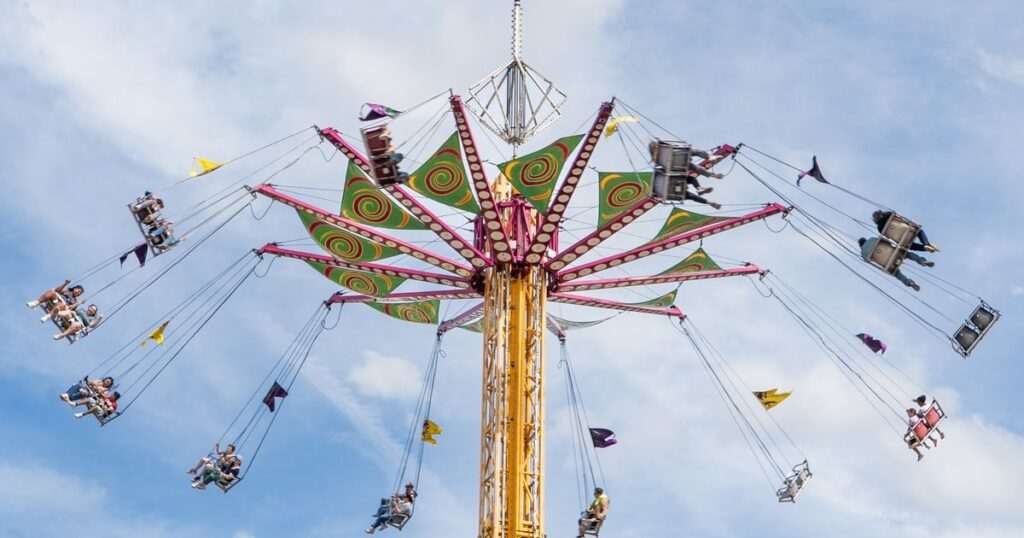
The Alaska State Fair is held in Palmer, a small agricultural city in the Matanuska-Susitna Valley about 42 miles northeast of Anchorage on the Glenn Highway. It runs for roughly 12 days each year from late August through Labor Day weekend — in 2026, that window falls approximately August 28 through September 7, though exact dates are confirmed annually on the fair’s website. For visitors already in Anchorage, it’s a half-day drive each way and one of the more distinctly Alaskan events on the summer calendar. Here’s what to know before going.
The Giant Vegetables
The Alaska State Fair’s most famous feature is its giant vegetable competition. The Matanuska Valley’s long summer daylight hours — up to 19 hours of sun at peak — allow produce to grow to sizes that seem implausible until you’re standing next to them. The 89-pound cabbage competition draws serious competitors who spend the entire growing season nursing a single plant; pumpkins, squash, sunflowers, and root vegetables round out the oversized produce categories. The competition tent is free with fair admission and typically runs the full duration of the fair, with final weigh-ins and judging in the first days. Even visitors who have no particular interest in vegetables tend to stop and take photos — a 100-pound cabbage requires documentation.
The giant vegetables are a direct product of the Mat-Su Valley’s agricultural identity, which developed around the colony farms established in the 1930s. Our Anchorage farmers markets guide covers the same local produce culture in a lower-key setting for visitors who want the fresh food experience without the fair crowds.
What’s at the Fair
Beyond the vegetables, the fair functions as a full regional county fair with Alaska-specific character. The main components:
- Carnival rides and midway: Standard fair rides ranging from family-friendly options to thrill rides, plus midway games. This section runs through the full fair duration.
- Livestock exhibits and shows: Cattle, sheep, goats, swine, rabbits, and poultry are judged throughout the fair, with 4-H youth participants from across Southcentral Alaska. The livestock barn is one of the best-smelling places to bring kids who have never seen agricultural animals up close.
- Live music: Multiple stages run entertainment throughout the fair’s run, with headliner acts scheduled on the main stage in the evenings. Regional and national acts perform across genres; the lineup is announced annually on the fair’s website.
- Local food vendors: Fair food runs the expected range (fried everything, fresh-squeezed lemonade, corn dogs) alongside Alaska-specific vendors: reindeer sausage, local honey, smoked salmon, and regional craft food producers who treat the fair as their primary annual public sales event.
- Pioneer Village: A collection of historic Mat-Su Valley structures relocated and preserved on the fairgrounds, offering a walkthrough of 1930s–1950s Matanuska colony architecture and household equipment. Worth 30 minutes and gives context for why Palmer exists as an agricultural community in the first place.
Ticket Prices (2026 Estimates)
| Category | General Admission (2026) |
|---|---|
| Adults (18+) | ~$16–18/day |
| Youth (7–17) | ~$10–12/day |
| Children (under 6) | Free |
| Seniors (65+) | ~$12–14/day |
Carnival rides require separate tickets or an unlimited ride wristband, sold at the midway. The wristband typically runs $35–45 and pays off quickly for kids who want to ride repeatedly. Confirm current pricing at alaskastatefair.org before your visit — prices are announced each spring.
Getting There from Anchorage
Palmer sits at mile 42 of the Glenn Highway heading northeast from Anchorage. The drive takes about 45–55 minutes under normal conditions; expect slower traffic on fair weekends, particularly Saturday and Sunday afternoons during the Labor Day weekend finale. Our Glenn Highway scenic drive guide covers the route in detail — the drive passes the Chugach foothills, Eagle River, and Eklutna Lake turnoff, and the Matanuska-Susitna Valley opens up dramatically in the final miles before Palmer.
The Alaska State Fair runs a park-and-ride shuttle service from designated Anchorage and Wasilla parking lots on peak days, particularly Labor Day weekend. Details are announced on the fair’s website each summer; this option removes the parking search at the fairgrounds during the busiest days. Visitors without a vehicle can rent one at Anchorage Airport — Enterprise Rent-A-Car at Anchorage Airport is the closest pickup before heading north on the Glenn Highway.
Kids vs. Adults: How to Split the Day
With kids, the fair runs best as a full day. Start with the giant vegetable tent (the 9 a.m. opening avoids the afternoon heat and crowd), move to the livestock barns, eat lunch from the food vendor row, and spend the afternoon on the midway and rides. The Pioneer Village works as an afternoon wind-down before heading back to the car. With the unlimited ride wristband, budget 5–6 hours minimum.
Without kids, the fair is a more selective 3–4 hour visit. The produce competition, livestock judging, local food vendors, and Pioneer Village are the strongest draws for adults traveling without children. Evening concerts on the main stage are the most adult-oriented programming; check the schedule before choosing your visit date if a specific act is the reason you’re going.
Combining with a Mat-Su Day Trip
Palmer and the surrounding Mat-Su Valley offer enough to justify a longer day than the fair alone. Hatcher Pass, the alpine valley 30 miles north of Palmer with hiking, wildflowers, and the historic Independence Mine State Historical Park, is at its most beautiful in late August just as the fair runs — fall colors on the tundra peak in the last week of August. Our Hatcher Pass hiking guide covers the trailheads and road access for a morning stop before arriving at the fair by midday. The Alaska Public Lands Information Center in downtown Anchorage carries current Mat-Su Valley recreation conditions and can help combine the fair with a Hatcher Pass or Matanuska Glacier stop on the same day.
Practical Notes
- Dates: Approximately August 28 – September 7, 2026. Confirm at alaskastatefair.org.
- Parking: On-site parking is available but fills on Labor Day weekend. Arrive before 10 a.m. on peak days or use the park-and-ride shuttle.
- Weather: Late August in the Mat-Su Valley averages highs in the low 60s°F with a real chance of rain. Bring a waterproof layer regardless of the Anchorage forecast — the valley runs cooler and wetter.
- Dogs: Pet dogs are generally not permitted at the fairgrounds; check the current fair policy before bringing one.
- Cash: Most ride tickets, some food vendors, and smaller exhibitors prefer cash. Bring some before leaving Anchorage.
For tickets and current year schedule, visit the Alaska State Fair listing page, which tracks 2026 dates, headliner announcements, and general admission pricing as the event approaches.


No comments yet.