
Anchorage Farmers Markets 2026: Guide to Summer Markets & Local Food
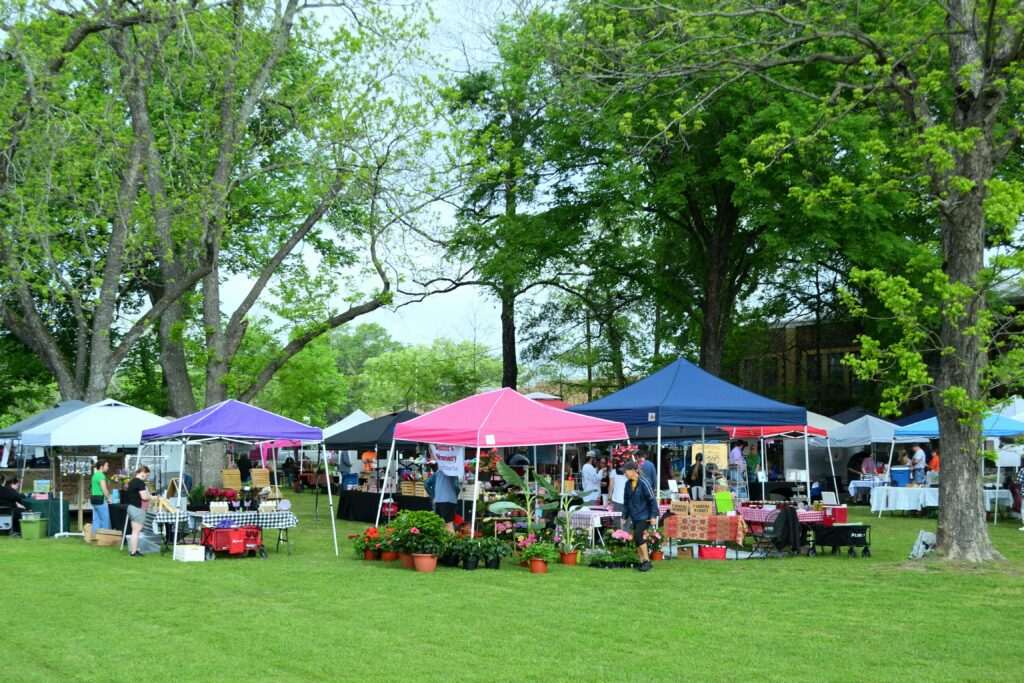
Anchorage has a genuine farmers market culture — not just a seasonal novelty but a weekly Saturday institution that’s been part of downtown life for decades. The markets run late May through September, peak in July and August when the valley produce arrives in force, and offer a combination of local vegetables, Alaska-made foods, arts and crafts, and live music that gives visitors a window into the city’s daily life that most tourist itineraries miss. Here’s the practical guide to Anchorage’s markets in 2026.
The Saturday Market — Downtown’s Main Event
The Anchorage Saturday Market runs every Saturday and Sunday from late May through mid-September in the parking lot between 3rd Avenue and E Street in downtown Anchorage. It’s the largest outdoor market in Alaska by vendor count, with 300+ vendors covering food, produce, handmade crafts, Alaska Native art, and prepared foods. Operating hours: 10 a.m. to 6 p.m. on Saturdays, 10 a.m. to 5 p.m. on Sundays.
The market divides roughly into three sections: an outdoor food court of prepared food vendors (salmon tacos, reindeer sausage, lumpia, gyros, and a dozen other options), a produce and local food row, and a crafts and art section that runs along the back perimeter. The produce section is the main draw for locals — Mat-Su Valley vegetables, Alaska-grown herbs, and seasonal berries appear here before they reach grocery stores. The Saturday market also has a consistent presence of Alaska Native artisans selling jewelry, carvings, and textiles; if you’re buying, look for vendor information that identifies the artist and their tribal affiliation.
South Anchorage Farmers Market
The South Anchorage Farmers Market operates on Wednesdays from mid-June through September at the Dimond Center parking lot area on the south side of the city. Smaller than the Saturday Market, it focuses more tightly on produce, baked goods, and local food vendors with less craft-market content. The Wednesday timing and South Anchorage location make it the default market for residents in that part of the city who want produce without the downtown parking logistics.
Vendor count runs 40–60 in peak season. The market opens at 11 a.m. and runs until 4 p.m. Best produce selection arrives mid-July when Mat-Su Valley growing season peaks.
What’s in Season When
| Month | What to Look For |
|---|---|
| Late May–June | Greens, rhubarb, early herbs, seedlings, greenhouse tomatoes |
| July | Potatoes, kale, broccoli, carrots, wild berries (salmonberries, blueberries), smoked salmon |
| August | Peak season: full vegetable selection, wild mushrooms, fireweed jelly, fresh and smoked halibut |
| September | Root vegetables, late squash, lingonberries, cranberries, end-of-season preserves |
Alaska-Made Food Products
The Saturday Market’s prepared food and specialty product vendors are worth slowing down for. Regular finds include fireweed honey (the pink wildflower that blooms across Alaska in July and August gives the honey a distinct floral character), wild berry jams from hand-picked spruce tips and berries, smoked salmon in several cuts and preparations, and birch syrup — an Alaska alternative to maple syrup, made from birch sap, with a distinctly different caramel-mineral flavor. These products aren’t manufactured souvenirs; they’re made in quantities limited by the harvest and sold out of season when they’re gone.
Building a Local Food Day
Pairing a Saturday Market visit with an afternoon activity makes for a natural Anchorage day. The market runs until 6 p.m. on Saturdays, which leaves time for a morning hike on the Tony Knowles Coastal Trail (the trail’s northern terminus is about 15 minutes on foot from the market) or a visit to the Alaska Native Heritage Center before the market opens. From downtown, the coastal mountains are visible on clear days in any direction — the contrast between the market bustle and the wilderness backdrop is one of the things that makes Anchorage feel distinctive. Our Turnagain Arm bore tide guide covers a natural half-day excursion that pairs well with a Saturday market morning: drive the bore tide pullouts in the afternoon after the market closes.
For live entertainment in the evening after the market, Showdown Alaska books local and touring acts regularly through summer — check their schedule for weekend shows. Alaska Dance Theatre runs summer programming that occasionally includes outdoor and community performances near the market footprint.
Practical Notes
- Cash preferred: Most produce vendors and many craft vendors prefer cash, though card readers are increasingly common. Bring both.
- Arrive by noon on Saturdays: Peak foot traffic runs 11 a.m.–2 p.m. If you want the best produce selection before it sells out, go earlier.
- Parking: Downtown parking on Saturdays involves the city garages off 3rd Avenue; street parking fills quickly by 10:30 a.m. The 5th Avenue garage is a reliable option.
- Bringing food home: Smoked salmon and vacuum-packed wild products travel well in checked luggage. Fresh produce for a flight home needs same-day purchasing and appropriate packaging.
The Alaska Public Lands Information Center downtown has seasonal market schedules and can point you toward current Mat-Su Valley farm stands for visitors who want to extend the local food experience beyond the city. And if you’re interested in connecting the market’s wild berry season to the larger Alaska foraging tradition, our razor clamming near Anchorage guide covers another dimension of Alaska’s wild food culture in the same summer window.
Photo by Naim Benjelloun on Pexels.




No comments yet.