
Salmon Fishing Near Anchorage 2026 — Charters, Rivers & Guided Trips
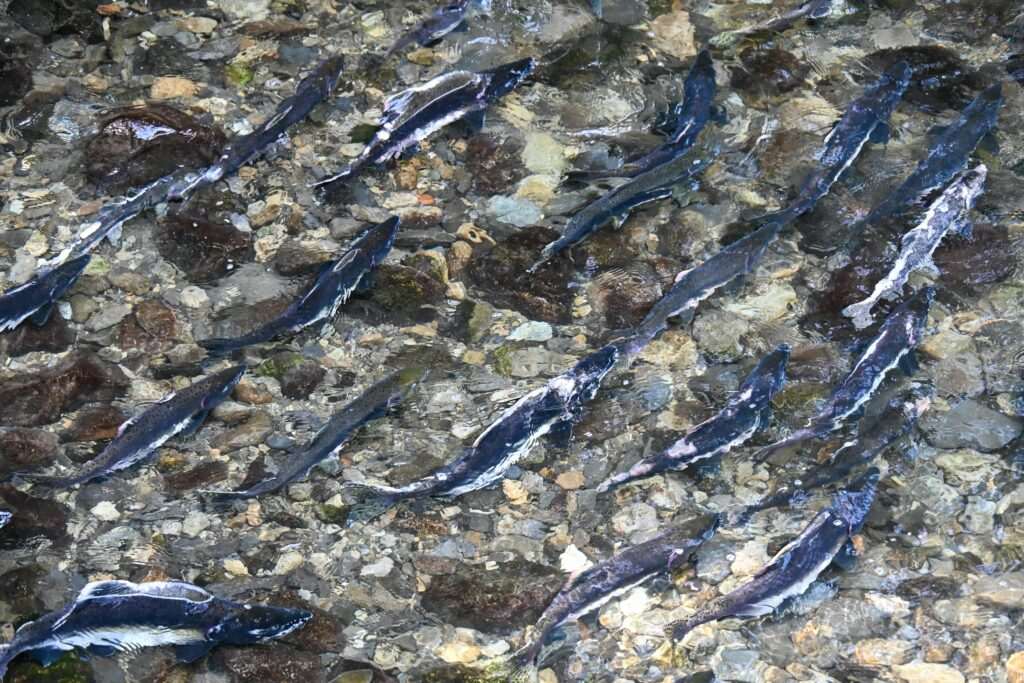
Alaska is home to the greatest wild salmon runs on Earth, and Anchorage puts you in striking range of some of the best salmon fishing in the state. Whether you want to wade a glacial river for kings with a local guide, join a full-day charter out of Homer for silvers and halibut, or simply cast for pink salmon at Ship Creek in the middle of downtown, the options near Anchorage in 2026 are wide and accessible. This guide breaks down everything first-time visitors need to know — species, rivers, charters, licenses, and what the experience is actually like on the water.
The Five Pacific Salmon Species
Alaska’s five species each have different peak seasons, habitats, and reputations among anglers:
- King (Chinook) — the largest and most prized. Runs peak May–June in the Kenai and Deshka Rivers. Kings regularly exceed 50 pounds on the Kenai, making them the bucket-list target for visiting anglers.
- Silver (Coho) — the most aggressive fighter pound for pound. Runs peak July–September and they’re found in rivers across the Kenai Peninsula and in Ship Creek by mid-August.
- Sockeye (Red) — prized for their firm, flavorful flesh and hard fight on light tackle. Russian River sockeye (June–August) is one of the most famous sport fisheries in the world, drawing thousands of fly fishers each summer.
- Pink (Humpy) — the most abundant species, running in odd years with enormous density. Ship Creek in downtown Anchorage lights up with pinks in July–August during odd-year runs (2025, 2027, etc.); even-year runs like 2026 are lighter but still fishable. Great for beginners — they’re aggressive and can be caught on simple lures.
- Chum (Dog) — often overlooked but tough fighters that can exceed 20 pounds. Runs overlap with silvers in late summer and are found in many Kenai Peninsula rivers.
Best Rivers for Salmon Near Anchorage
You don’t have to travel far to find world-class salmon water:
Ship Creek — the most unique urban fishery in the country. In the heart of downtown Anchorage, behind the rail yard, Ship Creek hosts runs of kings, pinks, and silvers from May through September. It’s a remarkable sight to see anglers lined up along a creek with Anchorage’s skyline behind them. Walk-in access is free; parking is available along Whitney Road. The fishery is heavily managed by ADF&G and slot limits apply for kings. Full details on the creek are covered in our Ship Creek salmon fishing guide.
Kenai River — the crown jewel of Alaska salmon rivers, about 2.5 hours south of Anchorage on the Kenai Peninsula. The Kenai holds world-record-class king salmon and produces enormous sockeye runs. Most visitors hire a guided drift boat for the full-day float experience. Expect high demand — book Kenai River guides months in advance for June and July king season.
Russian River — a tributary of the Kenai River near Cooper Landing, famous for its fly-fishing-only sockeye regulation and its bears. Russian River sockeye is dense and accessible via a short hike from the parking area. The confluence with the Kenai also produces kings. This river is shoulder-to-shoulder in peak season; an early morning start is essential.
Deshka River — a tributary of the Susitna River northwest of Anchorage (about 1.5 hours by road and boat). The Deshka is renowned for its king salmon run and the spring fishery draws serious anglers willing to make the trip. Float-plane access is also available for those who want a more remote experience.
Charter Fishing from Seward and Homer
If you want to fish offshore or combine salmon with halibut, day charters out of Seward and Homer are the classic Alaska combo. Most operators run eight-hour bottom fishing trips targeting halibut, with salmon as a bonus when runs are strong near the harbor. Homer, about 4.5 hours from Anchorage, is the self-proclaimed “Halibut Fishing Capital of the World” and most charters out of the Homer Spit include Kenai Fjords waters with excellent silver salmon opportunities in late summer.
Seward is closer at 2.5 hours from Anchorage and offers both bay trips and full-day Kenai Fjords excursions. Charter costs run roughly $250–$350 per person for a full-day shared trip, or $1,500–$2,500 for a private charter. Fish cleaning and vacuum packing are usually available from processors near both docks for a fee — essential if you’re planning to bring fish home.
Guided Walk-and-Wade Trips
For river salmon — especially kings and sockeyes on the Kenai and Russian Rivers — guided walk-and-wade trips are an excellent choice for first-timers. A licensed guide provides all the tackle, handles licensing interpretation, reads the water, and coaches casting. Half-day trips on the Kenai Peninsula typically run $200–$300 per person; full-day guided drift boat floats average $275–$400 per person.
The advantage of a guided trip goes beyond instruction. Guides know which holes are holding fish on a given day, understand the slot limits and emergency orders that change daily during salmon season, and handle the fish processing setup. If you’re visiting once and want a high-probability salmon catch, a guided trip is almost always worth the cost.
Licensing Requirements
Every angler in Alaska needs a valid sport fishing license before making a cast. Non-resident licenses are available for 1-day ($30), 3-day ($45), 7-day ($80), or full season ($145). King salmon require a separate king salmon stamp ($20 for non-residents) on top of the base license — this is required even if you’re guided. Sockeye and other species are covered under the base license with appropriate harvest record cards.
Licenses are available online through the ADF&G Sport Fish license system, at any Sportsman’s Warehouse in Anchorage, or at most fishing lodges and guide services. Always carry your license on the water — wardens check regularly on popular fisheries. Our Alaska fishing license guide for visitors covers the full fee table, online purchase steps, and harvest record card requirements in detail.
What to Expect as a First-Timer
Alaska salmon fishing in peak season is a social, sometimes crowded, experience on popular rivers. The Russian River sockeye fishery and Kenai River guides are known for “combat fishing” during peak runs — anglers standing close together, timing their casts to avoid tangles. It’s normal, and experienced anglers are generally friendly and willing to help beginners. Don’t be intimidated.
Prepare for any weather. Even a clear Anchorage morning can turn to rain and wind on the Kenai Peninsula by afternoon. Waterproof waders or rain gear, rubber-soled boots, and warm layers are non-negotiable. Polarized sunglasses help you see salmon holding in the water. And bring a cooler with ice if you want to keep your catch — fish quality deteriorates quickly without cold storage.
Planning Your Fishing Trip
Match your target species to the right window. Kings: May 20–July 31 on the Kenai. Sockeye: June 1–July 31 at the Russian River. Pinks: odd years in Ship Creek July–August; even-year runs are lighter. Silvers: August–September across most Kenai Peninsula rivers. Book guided trips and charters well in advance — popular dates in June and July sell out months ahead. Check the ADF&G emergency order hotline (1-907-267-2510) before each trip as regulations can change week to week based on run strength.
Planning your trip to the water? Stop by the Ship Creek Salmon Viewing Area in downtown Anchorage — free to visit and one of the only places in North America where you can watch king salmon from a city sidewalk. For guided charter options, Big Time Alaskan Fishing Adventures and Alaska Fishing Adventures both run half-day and full-day trips targeting the major salmon runs near Anchorage.
Photo by Beth Fitzpatrick on Pexels.

No comments yet.