
Alaska Wildlife Conservation Center 2026: What to Expect at Portage
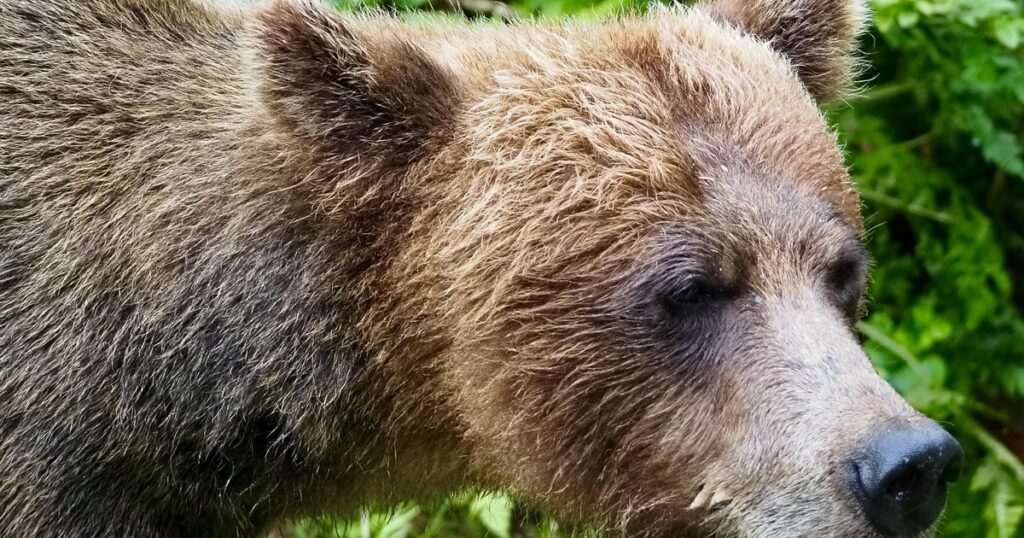
The Alaska Wildlife Conservation Center sits at mile 79 of the Seward Highway, roughly 60 miles south of Anchorage in the Portage Valley. It’s not a zoo in the conventional sense — the animals here are in large, naturalistic enclosures built across 200 acres of boreal forest and wetland, and most were brought to the center as orphaned or injured animals that couldn’t survive in the wild. The result is one of the most reliable places in Alaska to see brown bears, moose, bison, wolverine, and a dozen other species at close range without flying or spending days in the backcountry. Here’s what to expect in 2026.
The Animals
The AWCC’s collection is Alaska-native and Alaska-adjacent — every species here has a connection to the state’s ecosystems or history. Current residents include:
- Brown bears: The center’s most popular attraction. Multiple bears in separate large enclosures, accessible for close viewing from boardwalk paths. Feeding times are the most active windows.
- Black bears: A smaller enclosure adjacent to the brown bear area; a useful comparison of the two species at range.
- Wood bison: The AWCC has been a key participant in Alaska’s wood bison recovery program — the large herd here is conservation-significant, not just display animals.
- Moose: The center’s bull moose are among the largest in captivity; visitors accustomed to roadside moose sightings are often surprised by the scale when seen at close range in the enclosure.
- Musk ox, caribou, Sitka black-tailed deer: The ungulate section occupies a long loop through the property with open meadow viewing.
- Lynx, wolverine: Notoriously difficult to see in the wild; the AWCC’s enclosures give reliable viewing of both. The wolverine is particularly active during morning and evening hours.
- Bald eagles: Injured eagles in a flight cage near the entrance. Birds that can’t be released due to permanent injury; close viewing of wing markings is possible at the aviary.
Hours and Admission (2026)
| Category | Details |
|---|---|
| Summer hours (May–Sept) | Daily 8 a.m.–8 p.m. |
| Adult admission | ~$20–25 |
| Youth (4–12) | ~$15 |
| Children under 4 | Free |
| Parking | Free on-site |
| Tour vehicle (optional) | ~$8/person add-on for motorized tour of large enclosures |
The optional tour vehicle passes through the wood bison and moose enclosures in a way that walking visitors can’t — for the bison herd in particular, the vehicle access puts you at eye level with animals that otherwise view from a greater distance. Worth the add-on cost if bison are a priority.
Getting There from Anchorage
Drive the Seward Highway south from Anchorage approximately 60 miles to mile marker 79. The drive takes 70–90 minutes depending on conditions; the highway runs along Turnagain Arm for the first 40 miles and the scenery on the drive is part of the experience. Our whale watching in Anchorage guide covers the Turnagain Arm beluga viewing pullouts along this stretch — plan a shore stop on the way down or back. Visitors without a vehicle can rent one at Anchorage Airport; Enterprise Rent-A-Car at Anchorage Airport is the most direct pickup before heading south on the Seward Highway. The center has ample free parking with RV space.
Best Times for Animal Activity
Morning (8–10 a.m.) and late afternoon (4–7 p.m.) are the most active windows at the AWCC. Bears, wolverine, and lynx are most visible during these cooler bookend hours; midday in summer can see many animals resting in shade. Opening right at 8 a.m. and spending 2–3 hours covers the full property at the most active time without the midday crowds that arrive after the Portage/Seward morning crowd passes through. If animal behavior is the priority, arrive at opening rather than midday.
Photography
The AWCC’s boardwalk paths and well-maintained fencing give clean sightlines for photography without intervening wire or glass. A 100–300mm telephoto lens is the most useful range for enclosure work; wider shots of the bison meadow and bear feeding areas benefit from a 70–200mm. Morning light falls on the eastern-facing bear enclosures first; late afternoon light suits the ungulate meadow section. Brown bears in active feeding are the most dramatic shooting situation and worth timing the visit around scheduled feeding windows, posted at the entrance. Our bear viewing near Anchorage guide covers photography strategy for wild bear encounters as context for comparing the AWCC experience.
What’s Different from a Zoo
The AWCC’s scale and mission separate it from a standard zoo experience. The enclosures are measured in acres rather than square footage — the wood bison herd has roughly 25 acres of meadow, and the large brown bear enclosures allow animals to move, dig, and behave more naturally than a zoo setting permits. The animals are Alaska residents in both origin and species; there are no tropical or savanna animals. And the conservation mission is active: the center’s bison breeding program contributed to the successful reintroduction of wood bison to Alaska, the first wild bison population in the state in over a century. Visiting is a more substantive experience than the ticket price suggests.
Combining with Portage Glacier
Portage Glacier is 3 miles further south on the Seward Highway from the AWCC, making a same-day combination natural and efficient. The Begich Boggs Visitor Center, Byron Glacier trail, and MV Ptarmigan glacier cruise are all detailed in our Portage Glacier guide. A typical combined day: AWCC at opening (8 a.m.) for 2.5 hours, then drive to Portage for the glacier cruise or Byron Glacier trail before heading back to Anchorage by early afternoon. The Alaska Public Lands Information Center downtown carries current AWCC visitor information and can help coordinate an itinerary that combines both stops efficiently.
For a free wildlife viewing alternative closer to Anchorage, the Eagle River Bear Viewing Trail offers a short walk to a salmon stream where brown bears are commonly spotted during summer runs — a natural complement to an AWCC visit.



No comments yet.