
Alaska Packing List 2026 — What to Bring for an Anchorage Trip
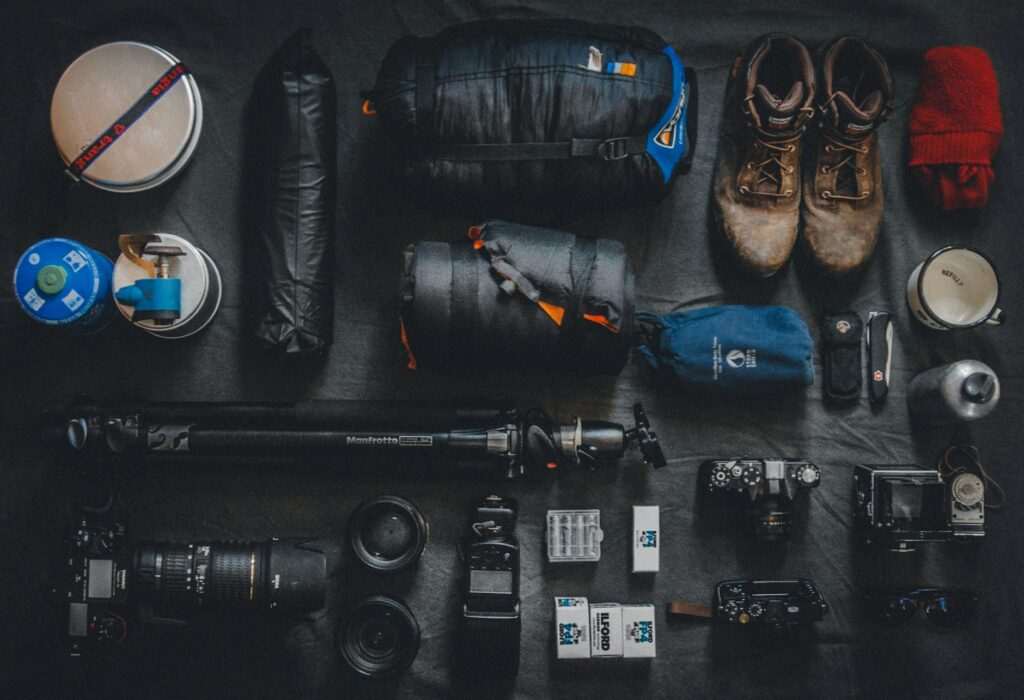
Alaska doesn’t punish bad packing — it just makes it obvious. Arrive in Anchorage with cotton t-shirts and a light hoodie, and you’ll spend your first afternoon in a gift shop buying a $65 fleece. Bring the right gear and you’ll be comfortable on trails, in rain, at midnight when the sun is still up, and in a restaurant afterward. Here’s what to pack for an Anchorage trip in 2026.
The Golden Rule: Layers, Not Luggage
Alaska weather operates on its own logic. Anchorage can be 60°F and sunny in the morning, 44°F and raining by afternoon, and clear again by evening. The solution isn’t packing for every scenario separately — it’s layering. Three functional layers beat a suitcase full of individual outfits every time.
Clothing
Base Layer
Moisture-wicking synthetic or merino wool base layers are essential. Avoid cotton entirely for anything you might wear outdoors. Cotton absorbs moisture and holds it against your skin, accelerating heat loss in cold or wet conditions. “Cotton kills” is a genuine saying in backcountry Alaska — take it seriously even for casual hikes.
Mid Layer
A fleece jacket or lightweight down vest handles the temperature swings between morning and afternoon, and earns its weight even on summer trips. Anchorage summer highs average in the low-60s°F; bring something warm enough for 45°F with wind.
Outer Layer (Non-Negotiable)
A waterproof, windproof rain jacket is the single most important item on this list. It doesn’t need to be heavy-duty mountaineering gear — a packable hardshell or good softshell works fine. But you’ll get rained on, and without a real rain layer you’ll be wet and cold within minutes. This isn’t optional for any Alaska trip at any time of year.
Pants & Footwear
For hiking, bring quick-dry pants or convertible zip-off pants. Jeans are fine for the city but miserable on wet trails. For footwear: waterproof hiking boots for any trail or outdoor activity, plus comfortable walking shoes for exploring downtown Anchorage and the Tony Knowles Coastal Trail. Keep them separate in your bag so wet boots don’t soak everything else.
Accessories
Pack a warm hat and light gloves — useful at higher elevations even in July. A sun hat and sunglasses are equally important: UV intensity at northern latitudes is high, and Alaska’s long summer days mean prolonged exposure, especially near snow or water.
Essential Gear
Bear Spray — Buy It There
Bear spray is mandatory for any hiking or time in wild areas, and you can’t bring it on a commercial flight. Buy it in Anchorage — REI Co-op Anchorage and Big Ray’s both stock it year-round, typically $45–55. If you’re renting a car and heading to any trailhead, this is your first stop.
Insect Repellent
Anchorage mosquitoes are aggressively active June through mid-July. DEET-based repellent (30%+) is the effective choice for extended time outdoors. If you’re camping or spending time near standing water, this moves from “nice to have” to essential.
Sunscreen
Alaska’s midnight sun delivers real UV exposure. Even overcast days carry more UV than they feel like at these latitudes — and summer days mean you’re outside longer than you realize. Bring SPF 30 minimum and apply it even when it’s cloudy.
Binoculars
More useful in Alaska than almost anywhere else. Dall sheep on Flattop Mountain, moose in the bog, eagles over the Spit, beluga whales in Turnagain Arm — everything is more rewarding with 8x or 10x magnification. A small pair fits in a day pack easily.
Day Pack & Water Bottle
A 20–30L day pack handles everything you need for trail days and city exploring alike. Alaska tap water is excellent throughout Anchorage and most of the region — bring a reusable water bottle and skip the plastic. If you need gear rental or forgot something, Alaska Outdoor Gear Rental covers a wide range of outdoor equipment for the duration of your trip.
Documents & Practical Items
- America the Beautiful Pass ($80/year): Covers entrance fees at all federal lands — worth it if you’re visiting more than one national park, forest, or recreation area, which most Alaska visitors do.
- Offline maps: Download Google Maps, Gaia GPS, or AllTrails for your areas of travel before you leave Anchorage. Cell service disappears quickly outside the city. Printed maps of key trailheads are a solid backup.
- Travel insurance: If your itinerary includes flightseeing, guided fishing, remote hiking, or any adventure activity, travel insurance with emergency evacuation coverage is worth the cost. Medical transport from remote Alaska is expensive.
What to Buy in Anchorage (Not at Home)
- Bear spray: Fly with confidence, buy it on arrival.
- Fishing licenses and gear: If fishing is on your agenda, Alaska licenses are available locally, and rental/charter operations handle tackle. There’s no need to travel with heavy fishing gear.
- Last-minute layers: REI and Big Ray’s both have solid selections of Alaska-appropriate clothing if you arrive underprepared. Prices aren’t worse than home.
What to Leave Behind
- Formal clothing: Anchorage is extremely casual. Even the nicest restaurants in town don’t require anything beyond “clean and not muddy.” Leave the blazer at home.
- Umbrellas: They don’t work well in Alaska wind and rain. A proper rain jacket hood is more practical.
- Heavy luggage: If you’re taking any small planes, bush charters, or water taxis, weight limits are real. Soft-sided bags or duffels pack into small aircraft dramatically better than hard-sided suitcases.
Pack light, layer up, and pick up bear spray when you land. Everything else you can figure out along the way — Anchorage is a well-equipped city, and Alaska Mountaineering & Hiking and other local outdoor shops know exactly what conditions you’re heading into.
Featured photo by Alex Andrews on Pexels.


No comments yet.